









What's Happening?
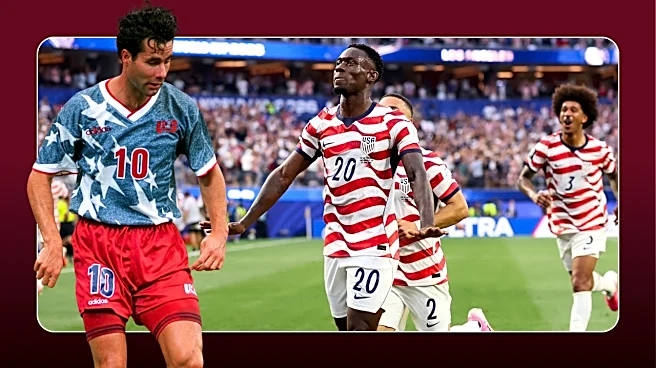
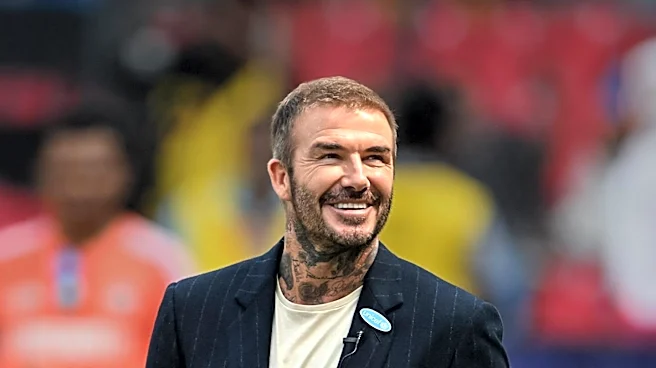
David Beckham has become a prominent figure in World Cup advertising, with multiple brands leveraging his image to enhance their marketing campaigns. Notably, Adidas and Stella Artois have integrated Beckham into their strategies effectively. Adidas's
'Backyard Legends' campaign features a cinematic film with a de-aged Beckham playing alongside other football legends, while Stella Artois uses Beckham in its 'A Taste Worth More' campaign, portraying him in a humorous light. These brands have successfully 'baked in' Beckham's image, aligning it with their brand narratives. In contrast, other brands like Verizon and Bank of America have been criticized for merely using Beckham's image without a strong brand connection, resulting in less impactful campaigns.
Why It's Important?
The use of David Beckham in World Cup advertising highlights the significant role of celebrity endorsements in global marketing strategies. Brands that effectively integrate Beckham into their campaigns can enhance their visibility and brand recognition, leveraging his global appeal. This approach can lead to increased consumer engagement and potentially higher sales. However, brands that fail to create a meaningful connection between Beckham and their products risk diluting their message and wasting marketing resources. The analysis underscores the importance of strategic alignment in celebrity endorsements, which can influence brand perception and consumer behavior.
What's Next?
As the World Cup progresses, brands will continue to evaluate the effectiveness of their campaigns and make adjustments as needed. Companies that have successfully integrated Beckham into their marketing strategies may see increased consumer interest and engagement. Meanwhile, brands that have not fully capitalized on Beckham's image may need to rethink their approach to maximize their investment. The outcome of these campaigns could influence future marketing strategies and the role of celebrity endorsements in major sporting events.
Beyond the Headlines
The extensive use of David Beckham in World Cup advertising raises questions about the long-term impact of celebrity endorsements on brand identity. While Beckham's image can boost short-term visibility, over-reliance on celebrity figures may overshadow the brand's unique attributes. This trend highlights the need for brands to balance celebrity appeal with authentic brand storytelling to maintain distinctiveness in a crowded market. Additionally, the ethical implications of using de-aged images in advertising, as seen in Adidas's campaign, may prompt discussions about authenticity and consumer trust.