




What's Happening?
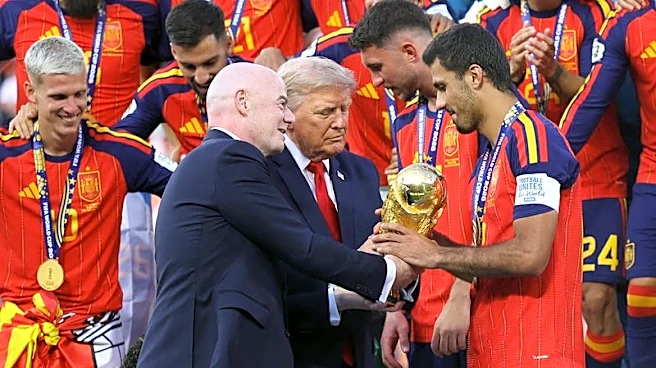
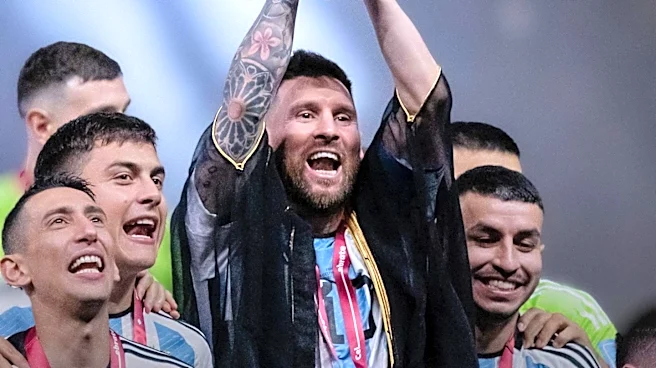
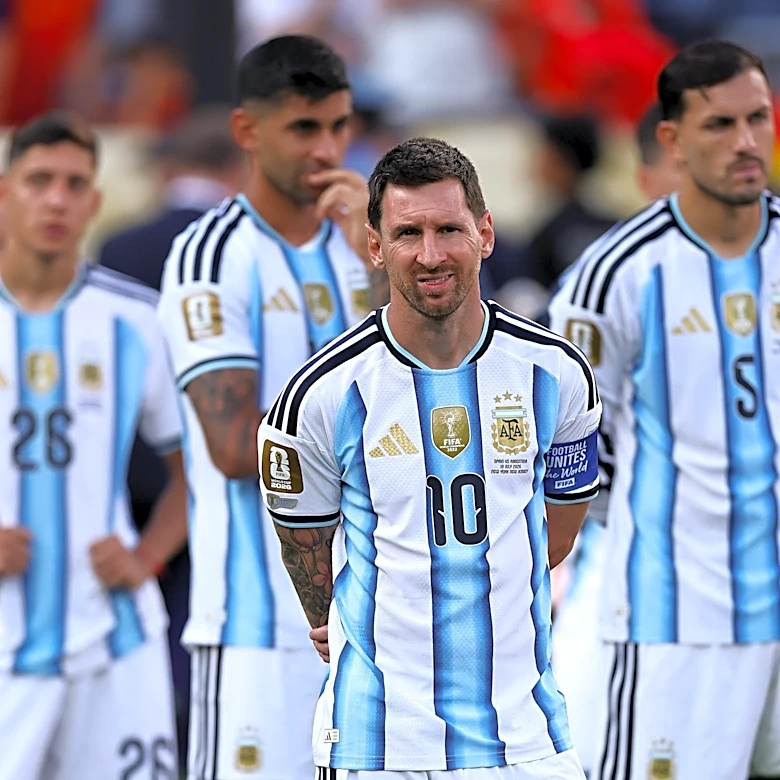
FIFA President Gianni Infantino has defended the recent FIFA World Cup, highlighting the event's success and unity, despite facing criticism from various quarters, including U.S. Soccer Vice President Nathan Goldberg Crenier and U.S. Representative Jamie
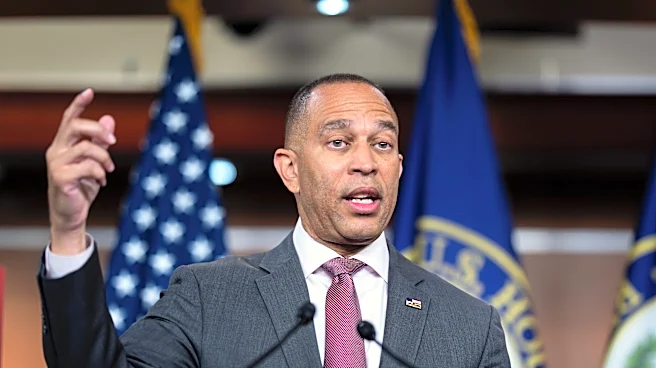
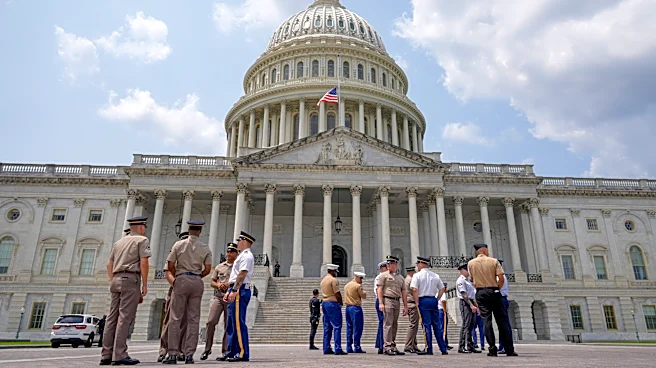
Raskin. Infantino praised the tournament for its safety and the joy it brought to millions, while dismissing critics as consumed by hate. However, his comments were met with backlash, with critics pointing out incidents of violence and visa issues. U.S. Soccer's Crenier criticized Infantino for his close ties with President Trump, suggesting it undermines FIFA's mission. Meanwhile, Rep. Raskin has requested FIFA to provide information on communications with Trump, indicating potential further scrutiny if Democrats gain control of the House.
Why It's Important?
The controversy surrounding Infantino's comments and the World Cup's execution highlights ongoing tensions within international sports governance and its intersection with politics. The criticism from U.S. Soccer and Congress underscores concerns about FIFA's leadership and its political entanglements, particularly with the U.S. set to host the 2031 FIFA Women's World Cup. The scrutiny from U.S. lawmakers could lead to increased oversight and potential reforms within FIFA, affecting its operations and future events. This situation also reflects broader issues of governance and accountability in global sports organizations.
What's Next?
As the U.S. prepares to host the 2031 FIFA Women's World Cup, the scrutiny from Congress and U.S. Soccer could lead to increased pressure on FIFA to address governance and transparency issues. If Democrats gain control of the House, Rep. Raskin could push for more rigorous investigations into FIFA's dealings, potentially impacting its operations and leadership. Additionally, the criticism may prompt FIFA to reassess its political engagements and public relations strategies to restore confidence among stakeholders and the public.