





What's Happening?
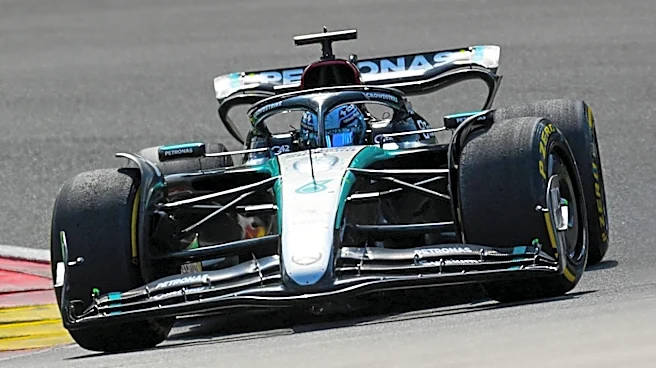
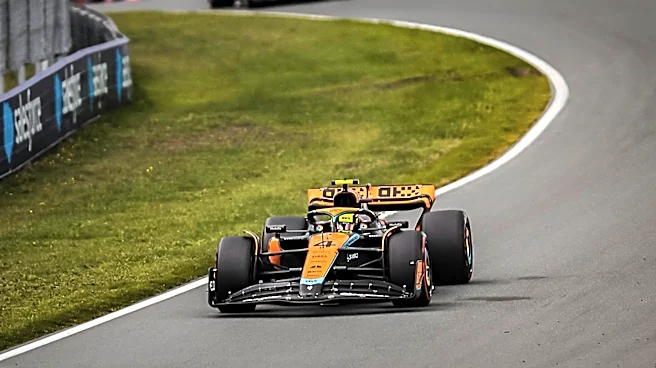
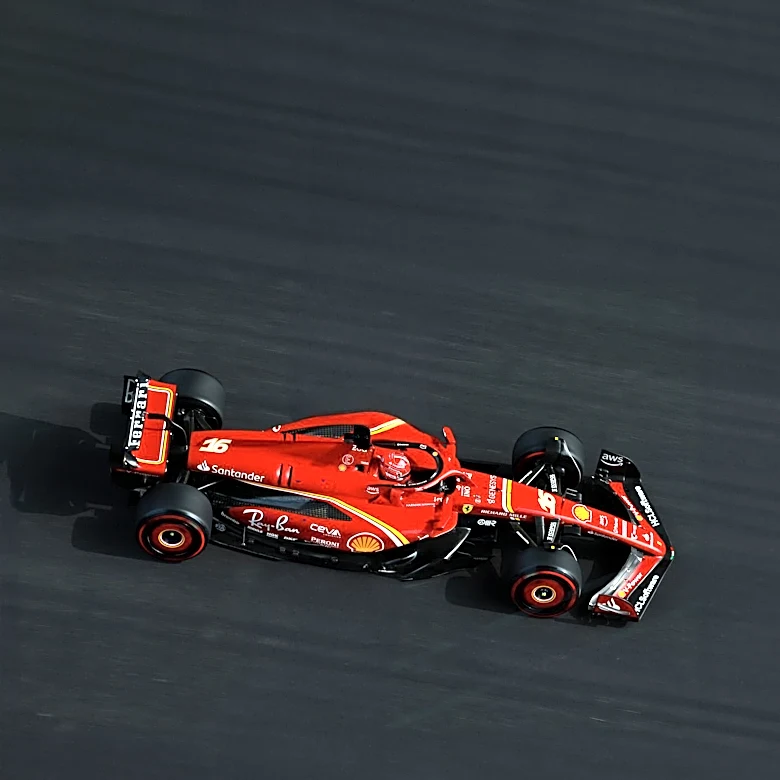
Formula 1 drivers, including Lewis Hamilton, Max Verstappen, and Charles Leclerc, have expressed concerns about the Silverstone circuit's impact on car performance due to new power unit regulations. The circuit, known for its fast corners, now requires
drivers to manage battery power, affecting their ability to drive flat out. The new regulations emphasize electrical power, leading to challenges in maintaining speed through the track's long straights and fast corners. Drivers have described the situation as 'unprecedented,' 'painful,' and 'sad,' as the changes diminish the excitement of racing at Silverstone.
Why It's Important?
The concerns raised by F1 drivers highlight the ongoing challenges of adapting to new regulations that prioritize sustainability and efficiency. The impact on performance at iconic circuits like Silverstone underscores the tension between maintaining the sport's traditional excitement and meeting modern environmental standards. This situation could influence future regulatory decisions and the design of F1 cars, as stakeholders seek to balance performance with sustainability. The drivers' feedback may prompt discussions on how to optimize regulations to preserve the sport's appeal while achieving environmental goals.
What's Next?
As the British Grand Prix approaches, teams and drivers will need to strategize on how to best manage power deployment to optimize performance. The feedback from this race could lead to further discussions among F1 stakeholders about potential adjustments to regulations or car designs. The sport's governing bodies may consider the drivers' experiences at Silverstone when planning future regulatory changes. Fans and analysts will be watching closely to see how teams adapt and whether the race delivers the excitement traditionally associated with Silverstone.