







What's Happening?
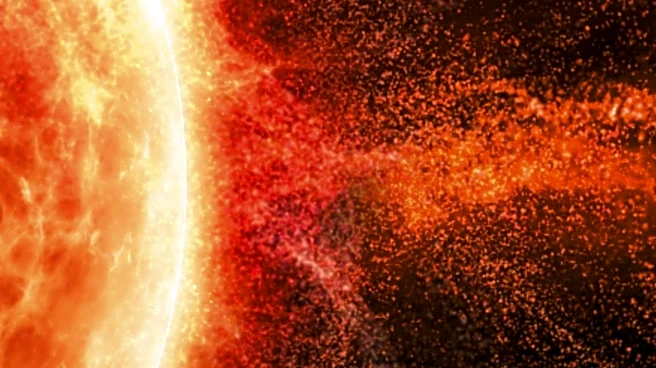
The U.S. electric grid is facing unprecedented strain due to the rapid expansion of AI data centers, which consume significant amounts of electricity. This situation is compounded by the risk of space weather events, such as solar storms, which can damage
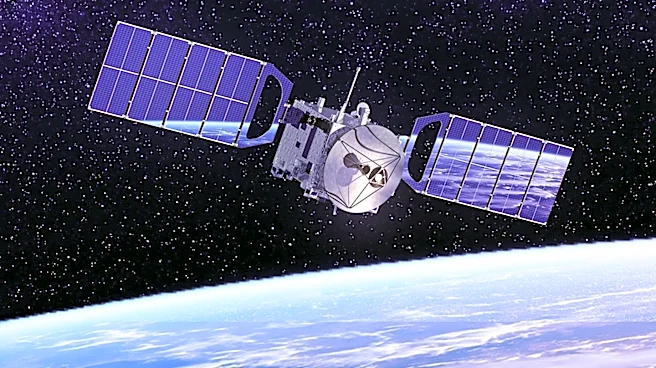
critical infrastructure like high-voltage transformers. The North American Electric Reliability Corporation has highlighted the potential for extreme power fluctuations during AI model training to destabilize power systems. Despite the severe risks, investment in space weather forecasting and preparedness remains insufficient. Recent advancements, such as NOAA's SOLAR-1 satellite, aim to improve space weather monitoring, but more efforts are needed to enhance grid resilience.
Why It's Important?
The vulnerability of the U.S. electric grid to space weather poses significant risks to national security and economic stability. AI data centers, which are integral to various sectors including defense and cybersecurity, cannot afford prolonged outages. A severe solar storm could lead to catastrophic damage, with economic impacts estimated in the trillions of dollars. As AI becomes more embedded in critical infrastructure, ensuring grid resilience against space weather is crucial. The tech industry, particularly companies operating data centers, has a vested interest in advocating for improved space weather forecasting and grid preparedness.
What's Next?
To mitigate these risks, there is a need for increased collaboration between tech companies, utilities, and grid operators. This includes incorporating space weather scenarios into planning exercises and funding research on grid resilience. Sharing operational data could enhance space weather modeling and forecasts. As the dependence on AI grows, the push for robust energy infrastructure capable of withstanding space weather events will likely intensify. The tech industry is expected to play a pivotal role in driving these initiatives forward.