
What's Happening?
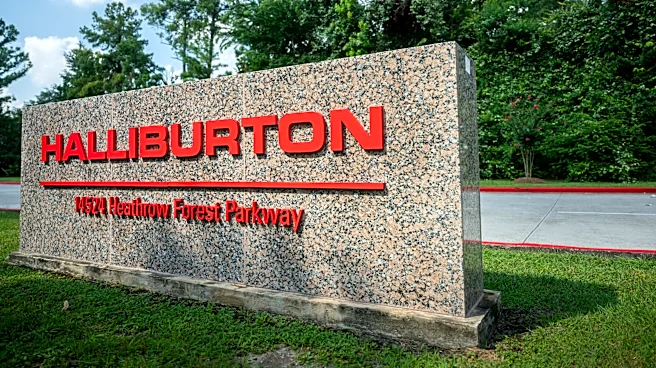
U.S. oilfield services giant Halliburton has partnered with the Egyptian General Petroleum Corporation for an 18-month program to prepare 50 wells for oil and gas extraction. This initiative aims to recover
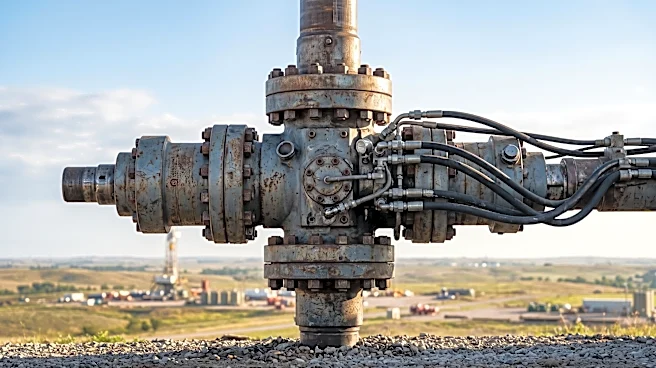
oil and gas from formations that were previously inaccessible using conventional drilling methods. The agreement, signed by the Egyptian General Petroleum Corporation and Halliburton, covers technical studies and preparations in areas operated by the state-owned General Petroleum Company. Egypt's Ministry of Petroleum and Mineral Resources announced the agreement on November 12. The program will utilize advanced techniques such as horizontal drilling and multi-stage hydraulic fracturing to boost domestic production and reduce Egypt's reliance on expensive liquefied natural gas (LNG) imports.
Why It's Important?
This partnership is significant for both Egypt and the U.S. oil and gas industry. For Egypt, it represents a strategic move to enhance energy independence, reduce its substantial LNG import bill, and alleviate pressure on its foreign currency reserves. Increased domestic production could stabilize energy prices within Egypt and support its economic growth. For Halliburton, a major U.S. company, this agreement signifies a substantial international business opportunity, showcasing American technological expertise in advanced drilling methods. It reinforces the U.S.'s role as a key player in global energy technology and services. The success of this program could also set a precedent for similar collaborations in other regions facing energy supply challenges, potentially expanding the market for U.S. oilfield services and technology.
What's Next?
The immediate next steps involve Halliburton conducting technical studies and preparations for the 50 wells. The agreement is currently a framework for these studies, not a fully disclosed drilling contract. If the studies prove commercially viable, the program will proceed to the drilling phase. The Egyptian government and Halliburton have not yet disclosed the program's value, financing arrangements, proposed commencement date, or expected production figures. The actual impact will depend on the number of wells approved for drilling, the speed of implementation, and the commercial viability of the extracted resources. Egypt will be closely monitoring the progress to address its growing energy demand and reduce import costs.
Beyond the Headlines
Beyond the immediate economic and energy implications, this partnership highlights the evolving landscape of global energy production, where advanced technologies are increasingly crucial for accessing previously uneconomical reserves. The use of horizontal drilling and hydraulic fracturing, while common in the U.S., represents a significant technological transfer to Egypt, potentially transforming its energy sector. This also raises broader discussions about the environmental impact of such extraction methods and the balance between energy security and sustainability. For the U.S., exporting these technologies can strengthen diplomatic ties and economic influence, but also carries the responsibility of promoting best practices in environmental stewardship and regulatory oversight in partner nations.