






What's Happening?
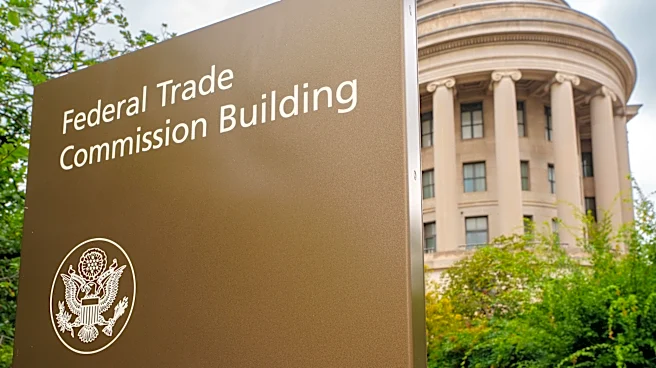
The Federal Trade Commission (FTC) filed a lawsuit against the fast-fashion retailer Shein on November 24, 2026, alleging a range of deceptive business practices. The lawsuit is accompanied by a proposed $100 million settlement. According to the FTC,
Shein suppressed negative customer reviews, failed to deliver orders as promised, and made misleading claims regarding the sourcing of its products. The retailer also allegedly made it difficult for customers to resolve issues with their purchases. These allegations include lengthy delivery delays, some orders never arriving, and inadequate customer service, with only five employees reportedly handling telephone inquiries from American customers despite nearly one million packages being sent to the U.S. daily as of September 2025. Shein is also accused of withholding or removing unfavorable feedback, including reviews from customers who returned merchandise, and making unsubstantiated claims about suppliers' compliance with labor standards and the origin of cotton used in certain products. Shein has neither admitted nor denied these allegations, and the proposed settlement awaits court approval.
Why It's Important?
This FTC lawsuit and proposed settlement against Shein highlight critical issues concerning consumer protection in the rapidly expanding online retail sector. The alleged suppression of negative reviews by Shein undermines the reliability of online product ratings, preventing consumers from making informed purchasing decisions. This practice can lead shoppers to spend money on products they might otherwise avoid, impacting consumer trust across the e-commerce landscape. Furthermore, the case raises concerns about product safety, as negative reviews often serve as an independent source of information regarding potential defects or hazards, especially for items like children's clothing. The FTC's action reinforces federal protections against unfair or deceptive commercial practices, particularly the Consumer Reviews and Testimonials Rule, which prohibits practices like fabricating reviews or hiding negative feedback. The settlement's requirement for Shein to change its customer service, shipping, advertising, and review practices, and to maintain records of deleted reviews, sets a precedent for accountability in online retail, potentially benefiting millions of American consumers by fostering greater transparency and fairness.
What's Next?
The proposed $100 million settlement between the FTC and Shein is currently awaiting court approval. If approved, Shein will be required to implement significant changes to its customer service, shipping, advertising, and review management practices. A key component of the settlement mandates that Shein maintain records of all deleted customer reviews, aiming to prevent future suppression of negative feedback. The FTC has not yet released details regarding eligibility requirements or the process for affected consumers to receive compensation from the $100 million fund. Consumers who believe they have been harmed by Shein's alleged practices are advised to retain relevant purchase records and monitor the FTC's refund program website for updates on how to claim potential compensation. This case may also prompt other online retailers to review their own practices regarding customer reviews and product sourcing to ensure compliance with federal consumer protection laws, potentially leading to broader industry changes.
Beyond the Headlines
The Shein settlement extends beyond immediate financial penalties, delving into the ethical and legal dimensions of online transparency and consumer trust. The alleged manipulation of customer reviews by a major online retailer underscores a broader challenge in the digital marketplace: distinguishing authentic feedback from curated or fabricated information. This development could trigger a re-evaluation of how online platforms manage user-generated content and the extent of their responsibility in ensuring its veracity. The case also highlights the increasing sophistication of deceptive practices, where the absence of negative information can be as misleading as the presence of false positive information. Culturally, this incident may lead to increased consumer skepticism towards online reviews, prompting a greater reliance on independent product testing and consumer forums. Legally, it reinforces the FTC's commitment to enforcing regulations like the Consumer Reviews and Testimonials Rule, potentially leading to more stringent oversight of review practices across various industries and encouraging companies to adopt more robust and transparent systems for handling customer feedback.