









What's Happening?
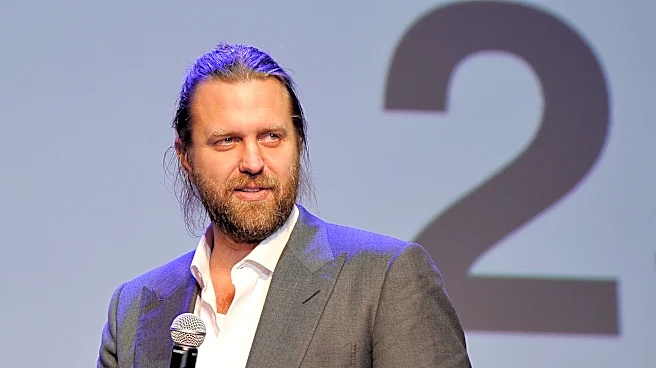
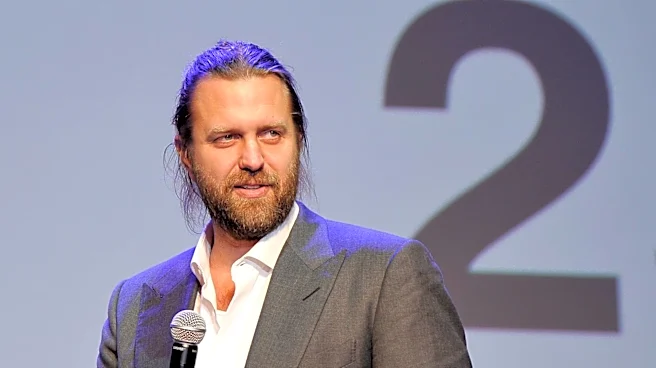
Hollywood writer-director Carl Rinsch has been sentenced to two and a half years in prison after being convicted of defrauding Netflix out of $11 million. Rinsch, known for the film '47 Ronin,' was found guilty of federal wire fraud and other charges.
He had claimed the funds were needed to complete a sci-fi series titled 'White Horse,' but instead diverted the money for personal use, purchasing luxury items such as cars, watches, and household goods. Despite pleas for leniency from supporters, including actor Keanu Reeves, the court emphasized the severity of the fraud. Rinsch attributed his actions to mental health struggles, which he is reportedly addressing with new medical care.
Why It's Important?
This case highlights significant issues within the entertainment industry regarding financial oversight and accountability. The fraud not only resulted in a substantial financial loss for Netflix but also underscores the potential for abuse of trust in high-stakes production deals. The sentencing serves as a cautionary tale for both content creators and distributors, emphasizing the need for stringent checks and balances. For Netflix, this incident may prompt a reevaluation of their funding and project management processes to prevent similar occurrences. The broader industry may also see increased scrutiny and possibly tighter regulations to safeguard against financial misconduct.
What's Next?
Rinsch is expected to report to prison in September, and his legal team has indicated plans to appeal the case. The outcome of this appeal could influence future legal proceedings involving similar cases of financial fraud in the entertainment sector. Meanwhile, Netflix and other production companies may implement more rigorous financial controls and oversight mechanisms. The industry might also witness a shift towards more transparent and accountable financial practices, potentially affecting how projects are funded and managed.
Beyond the Headlines
The case raises ethical questions about the responsibilities of filmmakers and the pressures they face in the competitive entertainment industry. Rinsch's situation also brings attention to the mental health challenges that can accompany high-profile careers, suggesting a need for better support systems within the industry. Additionally, the involvement of high-profile figures like Keanu Reeves in the plea for leniency highlights the complex interplay between personal relationships and professional accountability in Hollywood.