






What's Happening?
Roche has decided to discontinue the development of emugrobart, an investigational obesity candidate designed to preserve muscle mass during weight loss. Rights to the drug will revert to Chugai Pharmaceutical. This decision follows underwhelming efficacy
results in previous trials, including its discontinuation for spinal muscular atrophy (SMA) and facioscapulohumeral muscular dystrophy in March. In the obesity space, emugrobart was being tested in the Phase 2 GYMINDA trial in combination with Eli Lilly’s tirzepatide, aiming to improve the quality of weight loss by minimizing lean mass loss through targeting myostatin. BMO Capital Markets noted that this move narrows Roche’s near-term strategy in the body composition obesity market.
Why It's Important?
This discontinuation highlights the significant challenges and high attrition rates in drug development, particularly in competitive and complex therapeutic areas like obesity. While the market for weight loss therapeutics is rapidly expanding, with current leaders like Eli Lilly and Novo Nordisk, developing differentiated and effective treatments remains difficult. Roche's attempt to create a muscle-sparing obesity drug addressed a key concern with current weight loss medications, which can lead to significant muscle loss alongside fat reduction. The failure of emugrobart underscores the complexity of targeting specific pathways like myostatin to achieve this outcome. For U.S. patients, this means one less potential option for a more nuanced approach to weight management, emphasizing the ongoing need for innovative therapies that prioritize overall body composition and health.
What's Next?
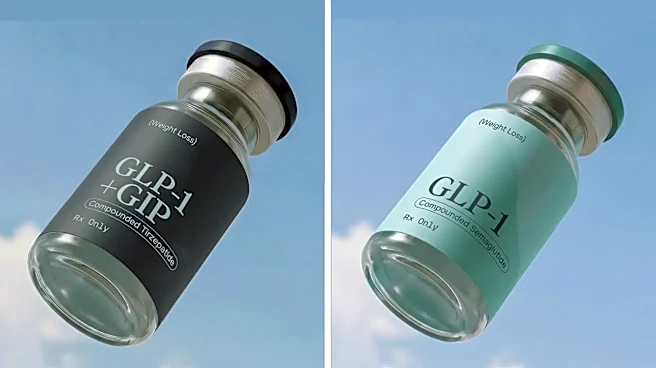
Despite the setback with emugrobart, Roche has affirmed its commitment to advancing care for people living with obesity and related comorbidities. The company's obesity pipeline is now primarily focused on assets obtained from its $2.7 billion acquisition of Carmot Therapeutics, including enicepatide, a GLP-1/GIP drug in late-stage studies for weight management, and petrelintide, an amylin drug partnered with Zealand Pharma. Roche is also advancing HM17321, a non-incretin peptide therapy partnered with Hanmi Pharm, which aims to promote weight loss, improve insulin sensitivity, and increase muscle mass. Chugai Pharmaceutical, while majority-owned by Roche, plans to resume development of emugrobart for SMA, indicating a potential shift in its therapeutic focus.
Beyond the Headlines
The challenge of developing muscle-sparing obesity drugs points to a deeper scientific and medical question: how to achieve effective weight loss without compromising muscle health, which is crucial for metabolic function and overall well-being. The industry's pursuit of such therapies reflects a growing understanding that weight loss is not just about shedding pounds but about improving body composition. The failure of emugrobart, despite its promising mechanism, suggests that targeting myostatin may be more complex than anticipated or that other pathways are more critical for muscle preservation during pharmacologic weight loss. This setback could prompt further research into alternative mechanisms or combination therapies to address this unmet need, potentially leading to more holistic obesity treatments in the future.