
What's Happening?
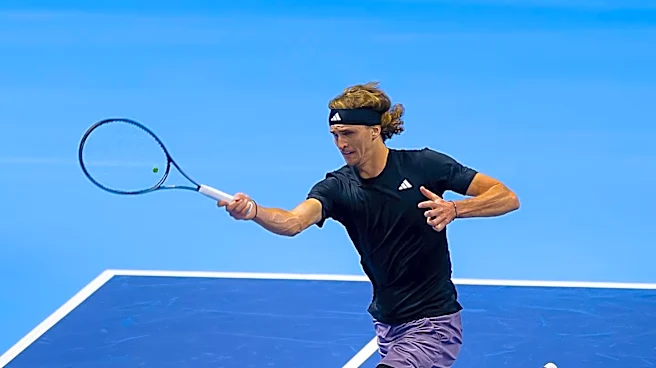
Alexander Zverev, a prominent German tennis player, has voiced his criticism of the extended format of the Masters 1000 tournaments. Speaking in Montreal, Zverev expressed his dissatisfaction with the current
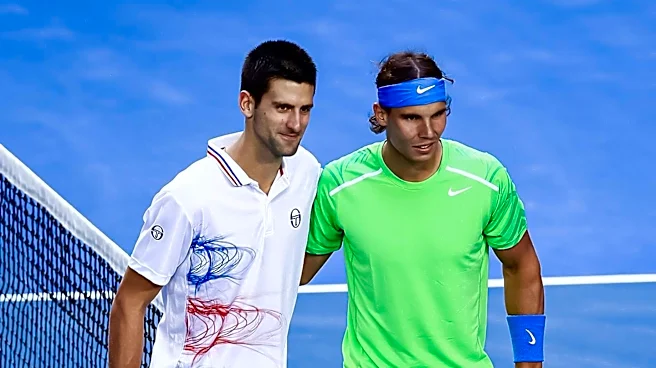
schedule, which stretches the tournaments to nearly two weeks, similar to Grand Slam events. He argues that this format is unsustainable and places undue pressure on players, leading to high-profile withdrawals, such as those of Jannik Sinner and Novak Djokovic. Zverev, who is preparing for the upcoming US Open, believes that the extended schedule makes it difficult for players to participate in all events, and financial incentives are not a sufficient solution.
Why It's Important?
Zverev's criticism highlights a significant issue within professional tennis regarding player workload and tournament scheduling. The extended format of the Masters 1000 tournaments could lead to player burnout and increased injury risk, affecting the quality of play and the availability of top players for major events. This situation could impact the sport's popularity and viewership, as fans expect to see top athletes compete. The debate over tournament scheduling also raises questions about the balance between commercial interests and player welfare, a topic of ongoing concern in professional sports.
What's Next?
The tennis community may see increased discussions and potential reforms regarding tournament scheduling. Stakeholders, including tournament organizers, the ATP, and players, might engage in negotiations to find a more sustainable format that accommodates both commercial interests and player health. The outcome of these discussions could lead to changes in the structure of the Masters 1000 events, potentially reverting to a shorter format to alleviate player concerns.