

What's Happening?
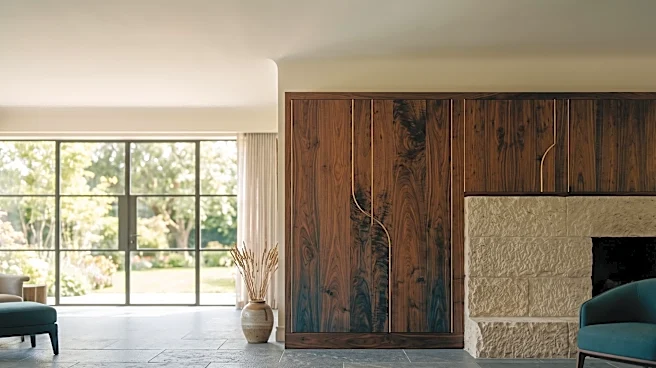
CEDIA, a global community for smart home technology, is showcasing advanced smart home integration solutions, emphasizing luxury and personalized experiences. One featured project transformed a large Edwardian home in Southwest London into a five-star
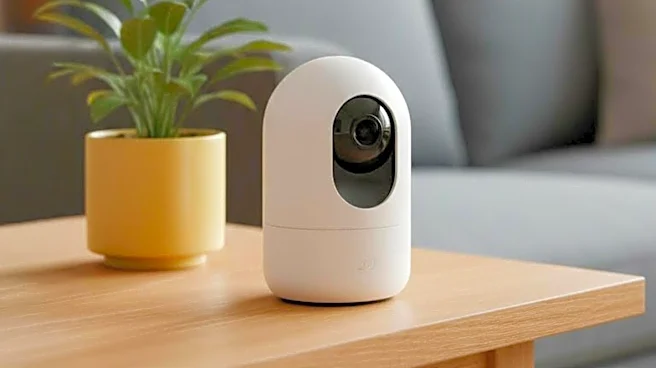
hotel-like environment for a hotel chain owner. This integration, built on a Control4 system, unifies various functions including lighting, curtains, multi-room TV, a dedicated cinema, multi-room audio, heating, cooling, door entry, and CCTV under a single interface. A key component is an extensively customized Lutron lighting system with over 100 scenes and 168 lighting circuits, paired with a three-tier Lutron window treatment solution and a Polar Bear heating/cooling system, offering per-room app control. The project prioritized wellness, creating a spa-like sanctuary with specific lighting to achieve the desired atmosphere. This demonstrates a growing trend in high-end residential properties towards comprehensive, seamless technological integration designed to enhance comfort, functionality, and lifestyle.
Why It's Important?
The increasing demand for sophisticated smart home integration in luxury residences signifies a significant shift in the U.S. housing market and technology sector. This trend impacts various stakeholders, including smart home technology manufacturers, custom integrators, and luxury home builders. Manufacturers like Control4 and Lutron stand to gain from the demand for high-end, integrated systems, driving innovation in product development. Custom integrators, such as Inspired Dwellings Ltd, become crucial in designing and implementing these complex systems, requiring specialized skills and expertise. For homeowners, these integrations offer enhanced convenience, energy efficiency through optimized climate control and lighting, and improved security. The emphasis on wellness and personalized environments also suggests a broader market opportunity for technologies that cater to health and lifestyle preferences within the home. This push towards 'hotel-at-home' experiences sets new benchmarks for residential living, potentially influencing standard home automation offerings in the future.
What's Next?
The continued evolution of smart home technology is expected to focus on even greater personalization and seamless user experiences. Future developments may include more advanced AI-driven automation that anticipates user needs and preferences, further integrating with wellness technologies and sustainable living solutions. The demand for professional installation and customization is likely to grow, leading to increased training and certification programs for integrators. As these luxury features become more refined, there may be a trickle-down effect, making more accessible versions of these integrated systems available to a broader market. This could drive competition among technology providers and integrators, fostering innovation and potentially lowering costs over time. The industry will likely see continued partnerships between hardware manufacturers and software developers to create more cohesive and user-friendly platforms.
Beyond the Headlines
The trend of creating highly integrated, 'hotel-style' smart homes raises deeper implications regarding privacy, data security, and the digital divide. As more aspects of daily life become automated and interconnected, the amount of personal data collected within the home increases, posing potential privacy risks if not adequately secured. The reliance on complex systems also highlights the importance of robust cybersecurity measures to protect against unauthorized access. Furthermore, the high cost of these luxury integrations could exacerbate the digital divide, creating a significant gap between those who can afford advanced home automation and those who cannot. This could lead to disparities in energy efficiency, security, and overall quality of life within residential spaces. The ethical considerations around pervasive surveillance, even within one's own home, will also become more prominent as these systems become more sophisticated and ubiquitous.