




What's Happening?
Neo-industrial design is emerging as a refined evolution of the traditional industrial style, moving beyond salvaged pieces to intentionally crafted furniture that celebrates its materials and construction. This design philosophy, as detailed by ADORNO,
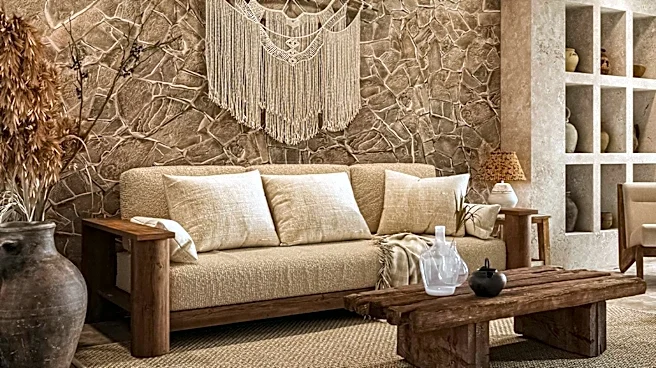
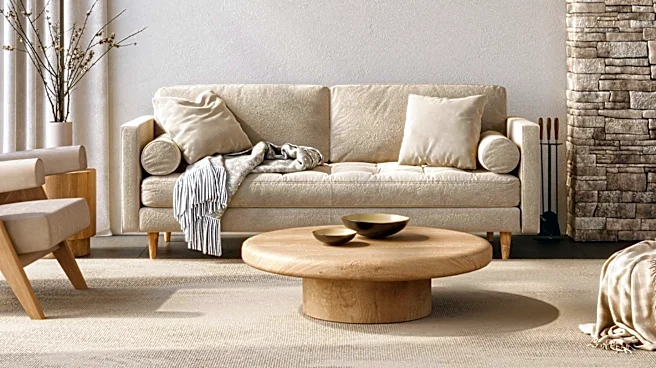
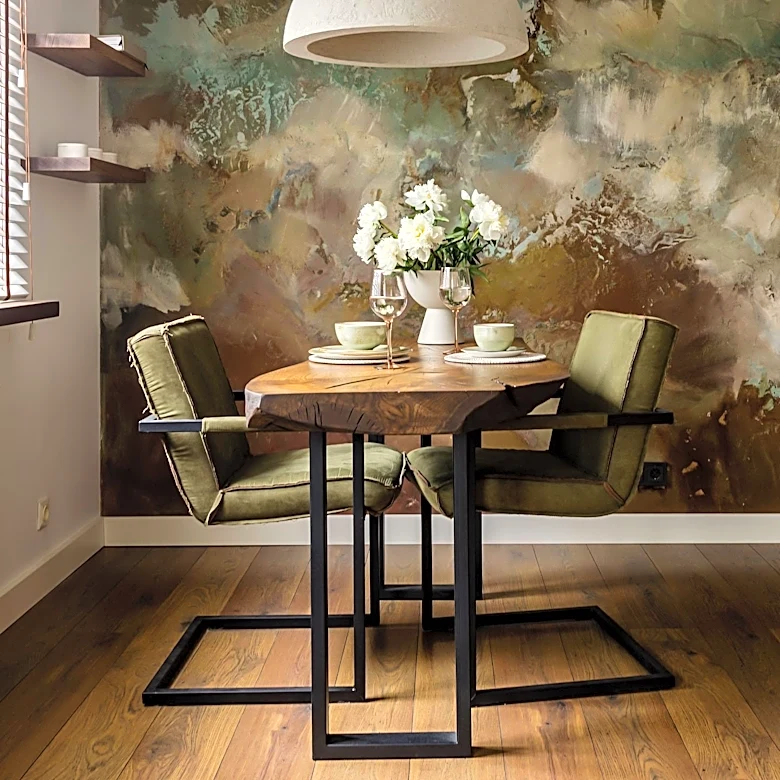
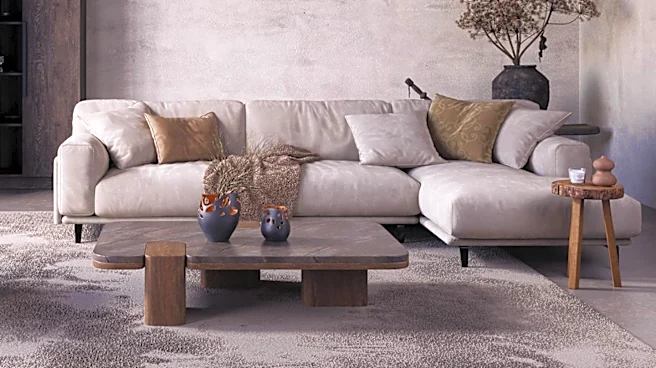
focuses on raw materials such as steel, aluminum, stone, and glass. Unlike classic industrial loft aesthetics that often covered structural elements, neo-industrial design makes details like welds and bolts visible, highlighting the craftsmanship. The forms are sculptural, and the overall approach aims for a collectible quality suitable for various modern interiors, including minimal, brutalist, and mid-century styles. The trend is exemplified by independent designers creating pieces like coffee tables, side tables, consoles, and dining tables from materials such as hand-forged mirror steel and raw hot-rolled plate, demonstrating how utilitarian materials can be transformed into furniture with distinct character.
Why It's Important?
This shift in industrial design is significant for the U.S. furniture and interior design markets, indicating a growing consumer preference for authenticity, durability, and visible craftsmanship. For manufacturers and designers, it means a renewed focus on material integrity and transparent construction methods, potentially driving innovation in material processing and artisanal techniques. Consumers stand to gain access to furniture that is not only aesthetically unique but also built to last, moving away from disposable trends. The emphasis on raw materials and visible construction could also influence supply chains, favoring suppliers of high-quality, ethically sourced metals, stones, and glass. This trend suggests a broader cultural appreciation for the story behind a product, including its origins and the skill involved in its creation, which can elevate the perceived value of domestically produced goods and support local artisans.
What's Next?
The continued evolution of neo-industrial design is likely to see further integration into mainstream interior design, influencing residential and commercial spaces across the U.S. Designers and brands may increasingly explore new combinations of raw materials and advanced fabrication techniques to create unique pieces. We can anticipate a rise in demand for custom-made or limited-edition furniture that embodies this aesthetic, potentially fostering collaborations between industrial designers and material scientists. Educational institutions might also adapt their curricula to emphasize material science, traditional craftsmanship, and sustainable design practices relevant to this movement. Furthermore, as consumers become more discerning about product longevity and material honesty, the market may see a greater emphasis on transparency in manufacturing processes and material sourcing, pushing brands to adopt more sustainable and ethical production methods.
Beyond the Headlines
Beyond its aesthetic appeal, neo-industrial design carries deeper implications for sustainability and consumer culture. By celebrating raw materials and visible construction, it inherently promotes durability and longevity, counteracting the 'fast furniture' trend that contributes to waste. This design philosophy encourages consumers to invest in pieces that are meant to be kept for decades, fostering a more sustainable consumption model. Ethically, it highlights the value of skilled labor and craftsmanship, potentially revitalizing traditional manufacturing sectors and creating demand for artisans. Culturally, it reflects a broader societal movement towards authenticity and transparency, where the story and process behind an object are as valued as its final form. This could lead to a re-evaluation of what constitutes 'luxury' in design, shifting focus from opulent finishes to the inherent quality and honest expression of materials and construction.