




What's Happening?
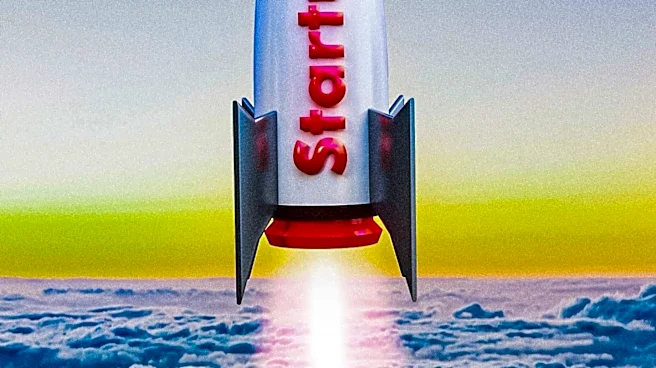
Startups, despite employing less than 2% of the U.S. workforce, are responsible for creating 12% to 14% of all new jobs, according to Nathan Goldschlag, director of research at the Economic Innovation Group. Joshua Akers, director of research, learning
and evaluation at the Ewing Marion Kauffman Foundation, notes that these companies have been the primary source of new U.S. jobs for the past two decades. Startups often attract new workers entering the labor force, offering them opportunities for significant and lasting contributions, even though half of all startups fail within five years. Business applications have remained approximately 30% higher than pre-COVID-19 pandemic levels, with artificial intelligence potentially driving a new wave of entrepreneurship, though its impact is not yet reflected in current data. Employees at startups often experience faster growth, increased responsibility, and a broader range of work, allowing them to 'build the machine' rather than just operate a small part of an existing one, as described by Ari Bixhorn, vice president of marketing at Outpost.
Why It's Important?
The significant job creation by startups underscores their vital role in the U.S. economy and labor market. This trend indicates a dynamic and evolving employment landscape where smaller, newer companies are key drivers of innovation and economic expansion. For job seekers, startups present unique career paths that prioritize impact, rapid skill development, and exposure to various business functions. This environment can be particularly appealing to individuals who thrive on problem-solving and contributing to a company's foundational growth. However, the inherent risk associated with startups, with a 50% failure rate within five years, highlights the need for candidates to carefully evaluate a company's stability and funding. The sustained high rate of business applications, even post-pandemic, suggests a resilient entrepreneurial spirit in the U.S., which could be further amplified by emerging technologies like AI, potentially reshaping future employment opportunities and economic structures.
What's Next?
The continued high rate of business applications suggests that startups will likely remain a significant source of new job creation in the U.S. The potential impact of artificial intelligence on entrepreneurship is a key area to watch, as it could lead to a further surge in new businesses and job opportunities, though this has not yet been fully observed in data. For job seekers, understanding the unique culture and demands of startups will be crucial. Companies like Outpost and Colossal Biosciences emphasize that successful startup employees often possess a strong drive to solve problems and contribute beyond a fixed job description. As the startup ecosystem evolves, both employers and prospective employees will need to adapt to the fast-paced, high-impact, and sometimes high-risk nature of these ventures. The focus will likely remain on attracting individuals who seek to make substantial contributions and are comfortable with a dynamic work environment.
Beyond the Headlines
The allure of startups extends beyond mere job creation; it represents a shift in professional values and aspirations for many U.S. workers. The desire to 'build the machine' and have an 'outsized impact' reflects a growing preference for meaningful work and direct contribution over the more specialized roles often found in larger corporations. This trend could lead to a re-evaluation of traditional career paths and a greater emphasis on entrepreneurial skills and adaptability across various industries. The 'sickness' described by Ari Bixhorn—where individuals' brains continue to think through problems off the clock—highlights a cultural aspect of startup life that blurs the lines between work and personal time, driven by passion and a sense of ownership. This intense engagement, while fostering innovation, also raises questions about work-life balance and the sustainability of such demanding environments for employees in the long term. The ongoing growth of startups could therefore influence broader societal norms around work, ambition, and professional fulfillment.