






What's Happening?
A significant portion of the U.S. population, particularly Gen Z and millennials, are adopting a 'maximalist optimizer' mindset in their approach to health and wellness. This demographic actively seeks control over their health decisions and independently
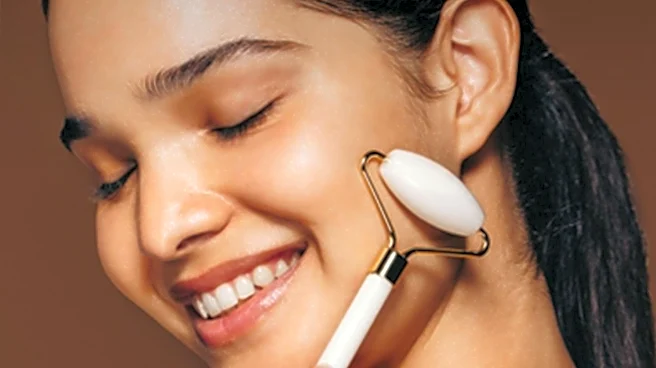
gathers health information rather than solely relying on clinicians. They are characterized by tracking, stacking, and testing various wellness trends to gain a competitive edge in areas such as sleep, skin, mood, or weight. Social media plays a crucial role in this phenomenon, with influencers cultivating parasocial relationships and algorithms rewarding extreme claims and constant novelty. This environment keeps these individuals in a continuous cycle of experimentation, often leading to the adoption of numerous health fads. Research indicates that those who frequently engage with health crazes often share specific psychological traits, including openness to experience and agreeableness, making them susceptible to influencer marketing and new ideas presented online.
Why It's Important?
This trend has substantial implications for the U.S. wellness industry, driving demand for a wide array of products and services, from biohacks and supplements to specialized fitness regimens. Companies that can effectively tap into the 'maximalist optimizer' mindset through social media marketing and influencer collaborations stand to gain significant market share. Conversely, the reliance on non-medical influencers and algorithm-driven content raises concerns about the dissemination of potentially harmful or unverified health information, posing risks to public health. Consumers may invest in ineffective or even dangerous products, leading to financial waste and adverse health outcomes. The shift from traditional clinical reliance to self-directed health information seeking also challenges established healthcare models, necessitating new approaches to patient education and engagement.
What's Next?
The influence of social media and algorithms on wellness trends is expected to continue growing, further entrenching the 'maximalist optimizer' behavior. Consumers will likely continue to encounter a rapid succession of new health fads, driven by the constant novelty rewarded by algorithms. This will necessitate increased scrutiny from regulatory bodies and public health organizations to ensure the accuracy and safety of wellness claims made online. Healthcare providers may need to adapt by offering more accessible and engaging digital resources to counteract misinformation and guide individuals toward evidence-based health practices. The wellness industry will likely see continued innovation in personalized health solutions, catering to the desire for competitive advantages in various aspects of well-being.
Beyond the Headlines
The 'maximalist optimizer' phenomenon highlights a deeper cultural shift towards self-optimization and the pursuit of perceived competitive advantages in all aspects of life, including health. This trend is fueled by a combination of readily available information (and misinformation), the persuasive power of social media, and a societal emphasis on individual responsibility for well-being. It also underscores the ethical challenges faced by influencers and platforms, as the line between genuine health advice and marketing blurs. The constant pursuit of the 'next big thing' in wellness can lead to consumer fatigue, financial strain, and a potential erosion of trust in both traditional healthcare and online health information sources, raising questions about long-term health literacy and decision-making.