




What's Happening?
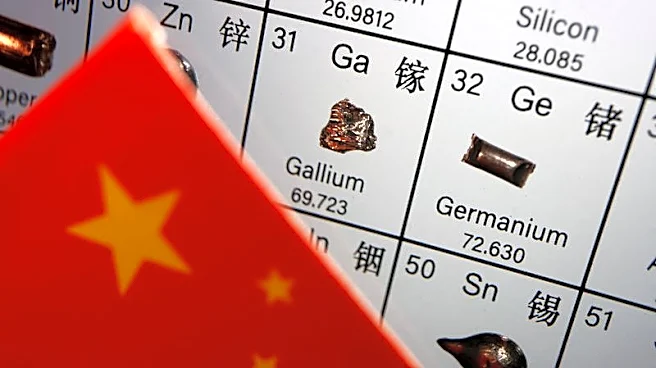
China Rare Earth Group, a state-owned entity, is reportedly in discussions to acquire a controlling stake in Shenghe Resources. This potential acquisition would further consolidate China's rare earth sector under state control, a long-term objective of
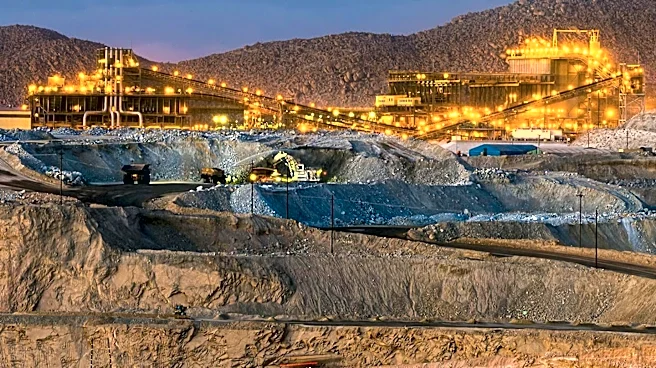
Beijing. Shenghe Resources currently holds a 3% stake in MP Materials, a U.S. rare earth company. The U.S. Department of Defense became MP Materials' largest shareholder last year, creating a potential overlap in ownership if the acquisition proceeds. The discussions between China Rare Earth Group and Shenghe Resources have been ongoing since early this year, though no timeline for an announcement or completion has been provided. The move is seen as a way for China to tighten its control over rare earth elements, which are crucial for electric vehicles, wind turbines, electronics, and defense applications. Shenghe's international assets, including its stake in MP Materials, could be affected, though the specifics of how these holdings would be managed remain unclear. MP Materials has consistently stated that neither Shenghe nor the Chinese government controls its operations.
Why It's Important?
This potential acquisition carries significant implications for the U.S. and global rare earth supply chain. China's increased state control over Shenghe Resources, a key player in rare earth mining and refining, could further solidify its dominance in a sector critical for advanced technologies and national security. The direct link to MP Materials, a U.S. company with the Department of Defense as its largest shareholder, raises concerns about foreign influence over a strategic domestic asset. Rare earth elements are vital for U.S. defense systems and the burgeoning green energy sector, making a secure and independent supply chain a national priority. If China Rare Earth Group gains control of Shenghe, it could potentially influence the availability and pricing of rare earths globally, impacting U.S. industries reliant on these materials. The situation highlights the ongoing trade rivalry between the U.S. and China, with rare earths serving as a key leverage point for Beijing.
What's Next?
The outcome of the acquisition talks between China Rare Earth Group and Shenghe Resources remains uncertain, with no clear timeline for an announcement or completion. If the deal proceeds, the handling of Shenghe's overseas assets, particularly its stake in MP Materials, will be a critical point of focus. This could lead to increased scrutiny from U.S. regulatory bodies and potentially prompt actions to safeguard U.S. interests in MP Materials. The U.S. government may explore options to mitigate any perceived risks to its rare earth supply chain and national security. Furthermore, the acquisition could prompt other nations to accelerate their efforts to develop independent rare earth supply chains, reducing reliance on China. The broader implications for global rare earth production quotas and market dynamics will also be closely watched, as China's state-controlled entities gain more influence over supply.
Beyond the Headlines
Beyond the immediate corporate maneuvering, this development underscores the geopolitical significance of rare earth elements. The potential for a state-owned Chinese entity to have a direct or indirect stake in a U.S. company critical to defense and technology highlights the complex interplay between economic interests and national security. It raises ethical questions about the extent of foreign government influence in strategic industries and the need for robust regulatory frameworks to protect national assets. The long-term shift towards greater state control in China's rare earth sector could lead to a more fragmented global market, with nations increasingly prioritizing domestic production and diversified supply chains. This could also accelerate innovation in rare earth alternatives and recycling technologies as countries seek to reduce their vulnerability to supply disruptions.