




What's Happening?
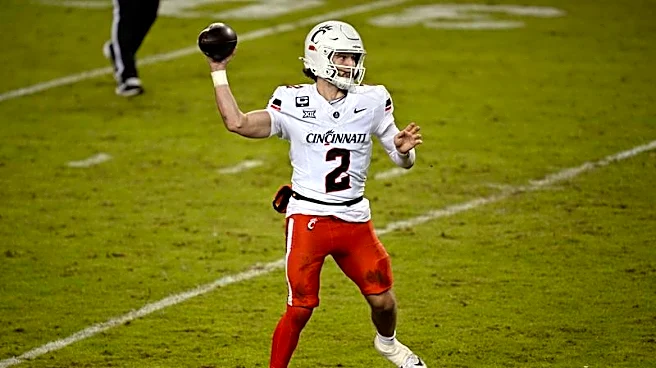
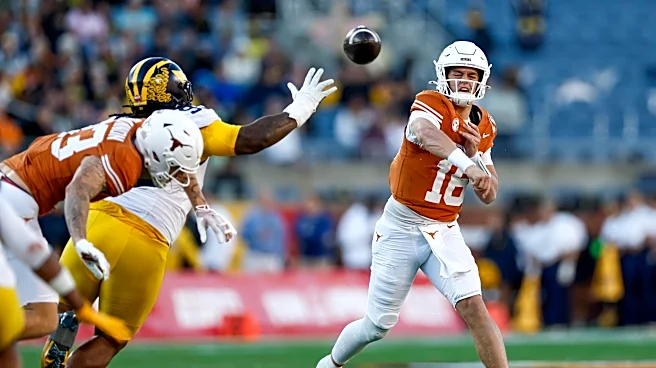
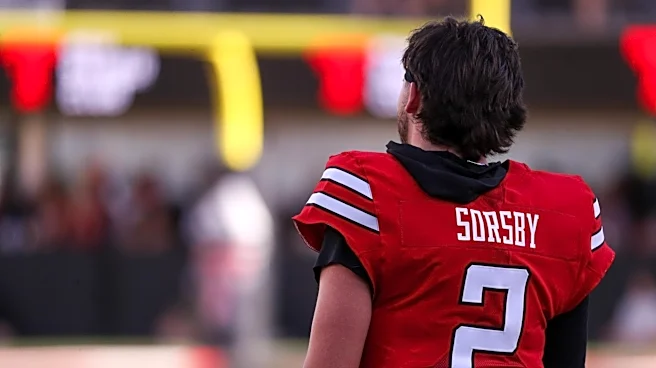
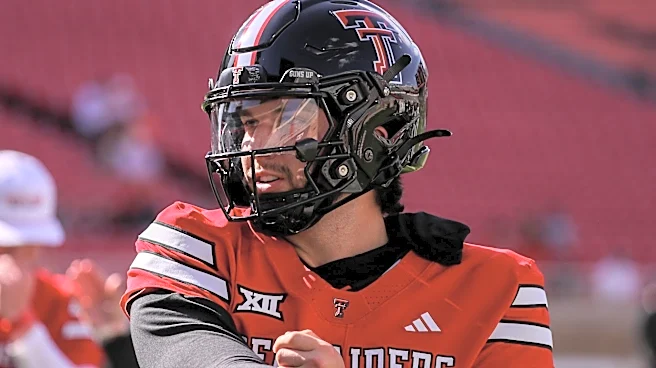
Quarterback Brendan Sorsby is set to dismiss his lawsuit in Lubbock County, Texas, which had temporarily restored his NCAA eligibility for 2026. This legal action will effectively end his eligibility to play for Texas Tech, thereby allowing him to enter
the NFL supplemental draft. The lawsuit's dismissal is a crucial step for Sorsby, as maintaining NCAA eligibility would have barred him from entering the draft. However, entering the NFL through the supplemental draft is not guaranteed. The NFL has the authority to impose sanctions that reflect NCAA punishments, as seen in the 2011 Terrelle Pryor case. Sorsby's history of underage gambling and betting on his team could be deemed a threat to the game's integrity, potentially complicating his path to the NFL.
Why It's Important?
The dismissal of Sorsby's lawsuit marks a significant moment in his career, as it opens the door for him to pursue a professional football career in the NFL. This development highlights the complex interplay between NCAA regulations and NFL eligibility rules. For Sorsby, the move could mean a fresh start and the opportunity to showcase his talents on a larger stage. However, the NFL's potential to impose sanctions based on his past actions underscores the challenges athletes face when transitioning from college to professional sports. The outcome of Sorsby's case could set a precedent for how similar situations are handled in the future, impacting other athletes with NCAA infractions seeking to enter the NFL.
What's Next?
Following the lawsuit's dismissal, Sorsby will focus on preparing for the NFL supplemental draft. The NFL will need to decide whether to impose any sanctions related to his past gambling activities. This decision will be crucial in determining Sorsby's future in professional football. Stakeholders, including NFL teams and Sorsby's representatives, will closely monitor the league's response. The outcome could influence how teams evaluate Sorsby's potential as a player and his suitability for their rosters. Additionally, the case may prompt discussions within the NFL about the criteria for eligibility and the handling of athletes with NCAA-related issues.