






What's Happening?
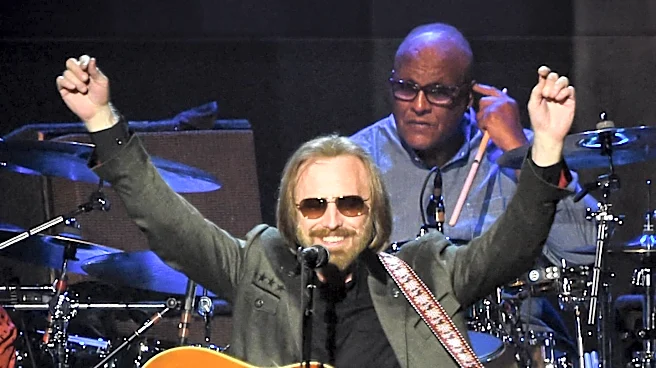
In a 1997 interview, musician Tom Petty expressed strong disapproval of the direction modern country music was taking, labeling it as 'shitty rock music.' Petty, who had a deep appreciation for traditional country music, felt that the genre had become
a 'money-making machine' driven by commerciality rather than authentic storytelling. He observed that country radio had begun to embrace pop-flavored trends, leading to artists like Tim McGraw and Rascal Flatts bringing a more commercial sound to the masses. Petty believed that the industry was manipulating the genre to appeal to a younger audience, adopting 'worst of the rock-arena tricks' and staging that he felt was antithetical to what country music traditionally represented. He also noted a lack of female artists in the genre during the 2010s, which he saw as a low point.
Why It's Important?
Tom Petty's critique highlights a significant cultural and artistic debate within the music industry regarding genre authenticity versus commercial appeal. His comments underscore the tension between maintaining traditional artistic integrity and adapting to market demands. For the U.S. music industry, this perspective from a respected artist like Petty can spark discussions about the long-term impact of genre blending and commercialization on artistic quality and audience perception. It also sheds light on the evolving landscape of country music, a genre with deep roots in American culture, and how its transformation can alienate traditional fans while attracting new ones. Petty's remarks suggest that prioritizing commercial success over artistic substance can lead to a perceived decline in quality and authenticity, potentially affecting the genre's legacy and its connection to its origins.
What's Next?
While Tom Petty's comments were made in 1997, the debate over country music's authenticity and commercial direction continues to resonate. The genre has seen artists like Morgan Wallen and Ella Langley achieve pop-star status, further blurring genre lines. However, there are also artists like Chris Stapleton who are bringing a more traditional, muscular sound to larger stages, suggesting a potential resurgence of the 'older country music' Petty appreciated. The ongoing evolution of country music will likely continue to be a subject of discussion among artists, critics, and fans, as the industry navigates the balance between innovation, tradition, and commercial viability. Future trends may see a continued blend of genres or a renewed emphasis on traditional sounds, influenced by the cyclical nature of musical tastes and the industry's response to audience demands.
Beyond the Headlines
Petty's strong opinions on country music touch upon broader themes of artistic integrity, cultural preservation, and the impact of commercial forces on creative expression. His lament that country music had become 'born out of writers’ rooms in Nashville rather than soul' speaks to a concern about the industrialization of art, where creative output is standardized for mass consumption. This raises ethical questions about the role of record labels and producers in shaping musical genres and whether such interventions dilute the artistic message. The observation about the lack of women in the genre during the 2010s also points to deeper societal issues within the music industry, including representation and diversity. Petty's perspective serves as a reminder that artistic movements are often shaped by a complex interplay of creative vision, market pressures, and cultural values.