


What's Happening?
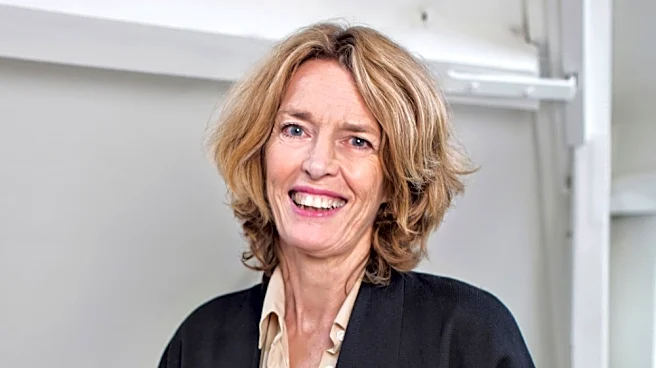
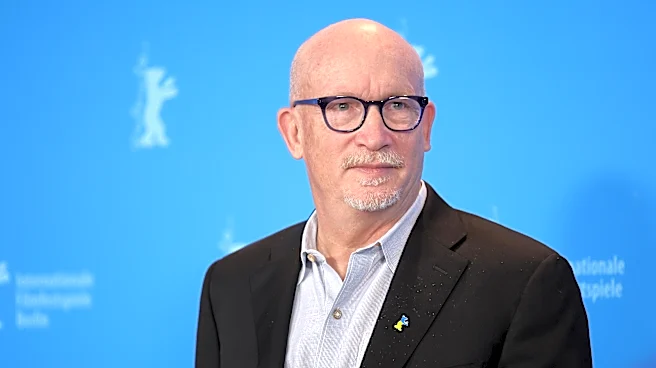
Oscar-winning filmmaker Alex Gibney delivered a strong message to documentary filmmakers at the annual DOC NYC Visionaries Tribute luncheon, urging them to resist the influence of algorithms and tech companies. Gibney, who received the Lifetime Achievement
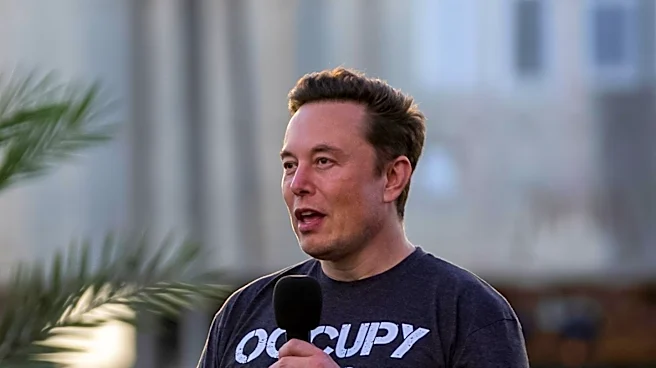
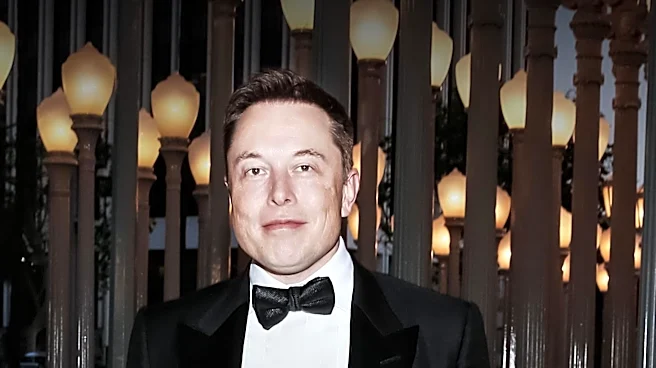
Award, criticized the current media landscape where tech giants like Elon Musk are attempting to define and control content through algorithms. He argued that filmmakers are being pressured to avoid being adventurous, provocative, or political to ensure their content is monetized, warning that algorithms would 'punish' those who step out of line. Gibney encouraged the documentary community to establish a new ecosystem that safeguards individual expression and free speech. His HBO documentary 'Musk' is currently vying for an Oscar shortlist spot. The event, attended by numerous filmmakers and industry professionals, also saw other awards presented, including the Leading Light award to Raney Aronson-Rath of Frontline.
Why It's Important?
Gibney's call to action highlights a critical challenge facing the documentary film industry and, by extension, independent journalism and artistic expression in the digital age. The increasing dominance of algorithms in content distribution can stifle diverse voices and limit the scope of stories deemed profitable or acceptable. This trend has significant implications for public discourse, as it can lead to a homogenization of content and a reduction in critical, investigative, or politically charged narratives. For U.S. society, this could mean a less informed public and a diminished capacity for challenging established norms. Gibney's advocacy for a 'new ecosystem' underscores the urgent need for alternative models that prioritize artistic integrity and free speech over algorithmic profitability, impacting how information is consumed and how diverse perspectives are presented.
What's Next?
The debate sparked by Gibney's remarks is likely to intensify within the documentary and broader media communities. Filmmakers and industry leaders may explore new funding and distribution models that offer greater independence from algorithmic control. There could be increased advocacy for policies that protect artistic freedom and promote media diversity. The success or challenges faced by Gibney's own documentary 'Musk' in navigating the current media landscape will serve as a case study for others. This ongoing conversation will shape the future of documentary filmmaking, influencing how stories are told, distributed, and consumed, and potentially leading to a more resilient and independent media ecosystem.
Beyond the Headlines
The deeper implication of Gibney's warning extends beyond the documentary world to the very fabric of democratic societies. When algorithms dictate what content is seen and heard, there is a risk of creating echo chambers and limiting exposure to diverse viewpoints, which is crucial for a healthy democracy. The 'f--k the algorithms!' rallying cry is not just about artistic freedom but also about intellectual freedom and the right to access unfiltered information. This struggle against algorithmic control touches upon ethical questions regarding data privacy, corporate power, and the responsibility of tech platforms. It suggests a future where the battle for truth and independent thought may increasingly be fought in the digital realm, requiring collective action to ensure that technology serves humanity rather than controls it.