



What's Happening?
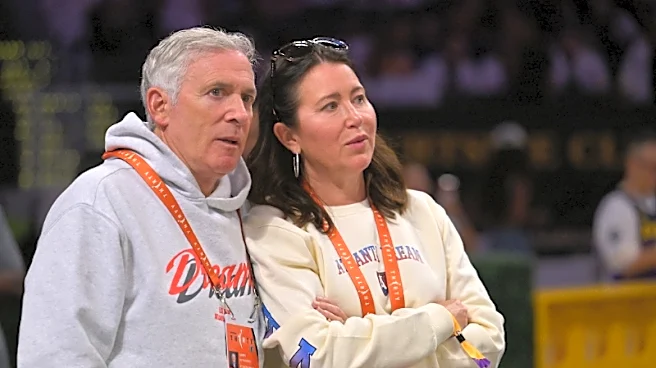
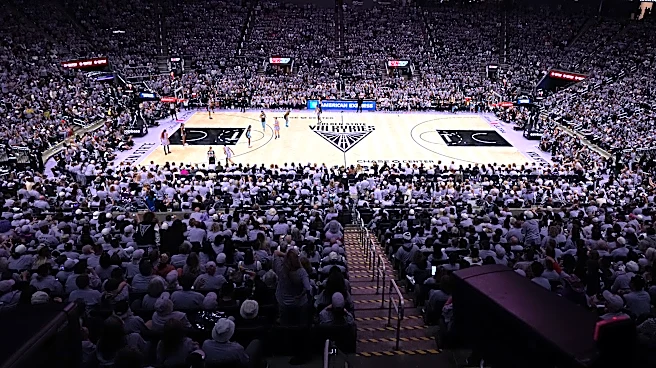
Joe Lacob, owner of the Golden State Warriors, paid a $50 million fee in 2023 for a WNBA expansion franchise, the Valkyries. This move occurred two years after the Chase Center opened in San Francisco. The Valkyries, in their inaugural 2025 season, defied
expectations by becoming the winningest first-year franchise in WNBA history. Despite their success, the team faced scheduling challenges, including a playoff game relocation from Chase Center to SAP Center in San Jose and a potential title-clinching game scheduled for 9:30 a.m. PT. These scheduling issues led to criticism regarding the league's planning and support for its teams, particularly in comparison to the NBA.
Why It's Important?
The investment by Joe Lacob in a WNBA expansion franchise highlights a growing trend of high-profile ownership in women's professional sports, signaling increased financial commitment and belief in the league's potential. This influx of capital can lead to better resources, facilities, and marketing for WNBA teams, ultimately enhancing the league's visibility and competitiveness. However, the logistical challenges faced by the Valkyries, such as arena conflicts and inconvenient game times, underscore persistent issues within the WNBA regarding scheduling and prioritization. These problems can hinder fan engagement and player welfare, potentially limiting the league's growth despite significant ownership investments. The situation also brings into focus the disparity in treatment and resources between men's and women's professional sports, even within the same ownership groups.
What's Next?
The WNBA and team ownerships will likely face continued scrutiny over scheduling and logistical planning, especially as the league expands and gains more prominence. The criticism surrounding the Valkyries' playoff scheduling suggests a need for more proactive and thoughtful planning to avoid conflicts with other events and ensure optimal fan experience. Future expansion teams and existing franchises will be watching to see if the league addresses these operational challenges. The success of teams like the Valkyries, despite these hurdles, may encourage further investment in the WNBA, but sustained growth will depend on the league's ability to provide consistent and professional support for its teams and players.
Beyond the Headlines
The narrative surrounding the Valkyries' inaugural season and the subsequent scheduling issues touches upon broader themes of gender equity in sports and the evolving landscape of professional leagues. While the financial commitment from owners like Joe Lacob is a positive step, the operational challenges reveal systemic issues that can undermine the progress of women's sports. The fan base's dedication, despite inconvenient game times, demonstrates a strong demand for WNBA content, which the league must capitalize on by improving its logistical framework. This situation could serve as a catalyst for the WNBA to re-evaluate its operational strategies, ensuring that the league's growth is matched by robust support systems that reflect the value and potential of its teams and athletes.