





What's Happening?
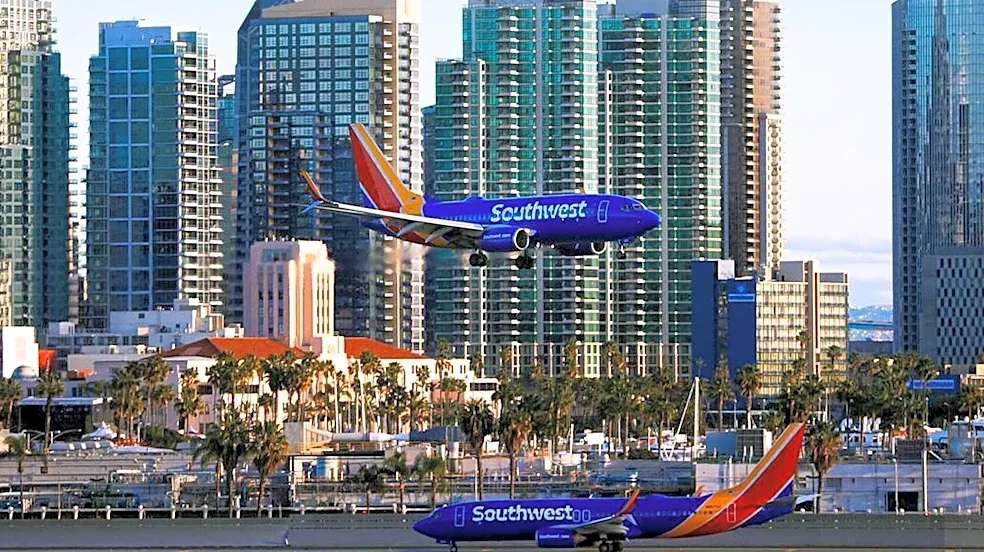
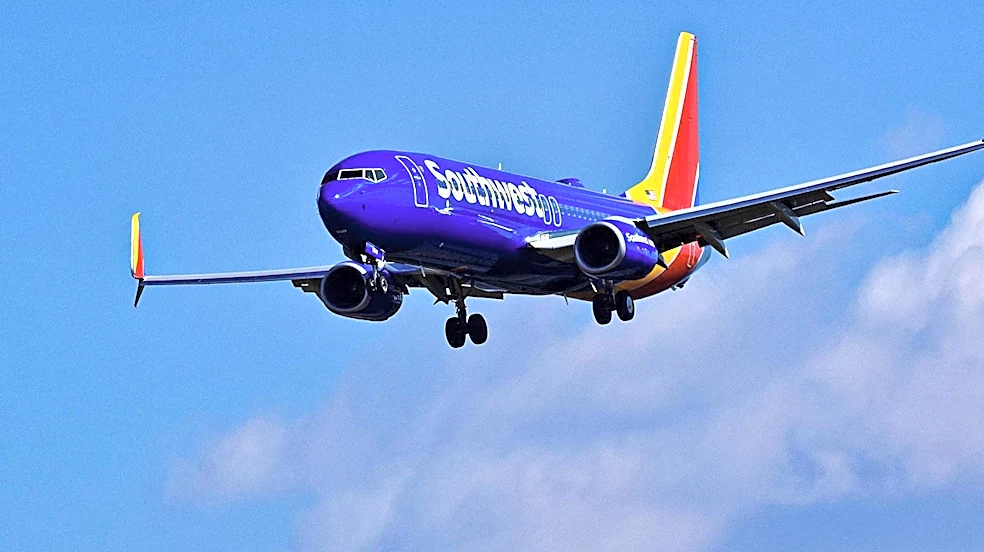
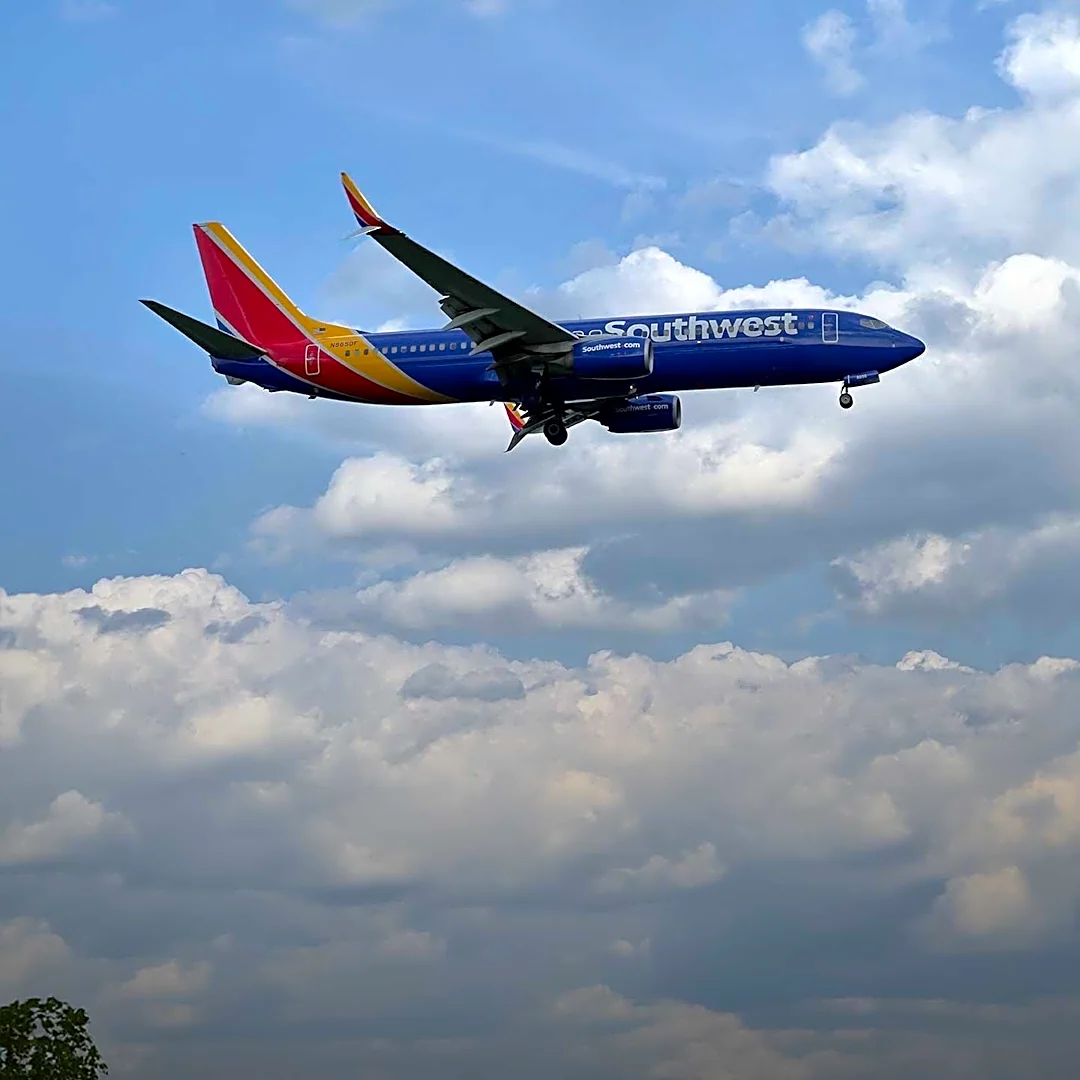
Southwest Airlines has announced a significant overhaul of its Rapid Rewards loyalty program. The airline is changing the names of its existing elite tiers, A-List and A-List Preferred, to Silver and Gold, respectively. This rebranding signifies a shift
in how Southwest categorizes its most loyal customers. While the source does not detail specific changes to the benefits associated with these tiers, the renaming suggests a strategic move to align with more conventional loyalty program nomenclature seen across the travel industry. This update follows a trend of loyalty program adjustments by major companies, as evidenced by other large-scale programs like LATAM Pass and IAG Avios, which boast tens of millions of members. The airline's decision to modify its program indicates an ongoing effort to adapt to customer expectations and competitive landscapes within the airline industry.
Why It's Important?
This change by Southwest Airlines is important for several reasons. For existing Rapid Rewards members, particularly those in the A-List and A-List Preferred tiers, the renaming to Silver and Gold could signal either a simplification of the program structure or a precursor to more substantial changes in benefits and qualification criteria. The adoption of more universally recognized tier names like 'Silver' and 'Gold' might aim to make the program more intuitive and appealing to a broader customer base, including those who may be familiar with similar structures in other loyalty programs. In the highly competitive airline industry, loyalty programs are crucial tools for customer retention and acquisition. By updating its program, Southwest is likely seeking to enhance its value proposition, encourage continued customer engagement, and potentially attract new travelers looking for clear and rewarding loyalty benefits. The success of this rebranding will depend on how well the new tiers resonate with customers and whether any accompanying benefit adjustments meet or exceed expectations.
What's Next?
Following the renaming of its A-List and A-List Preferred tiers to Silver and Gold, Southwest Airlines will likely monitor customer reactions and engagement with the updated Rapid Rewards program. The airline may introduce further adjustments to the benefits, earning structures, or redemption options associated with these new tiers to optimize their appeal and effectiveness. Competitors in the airline industry will also be observing Southwest's move, potentially leading to their own loyalty program enhancements or modifications to maintain a competitive edge. For customers, the immediate next step will be to understand if the new tier names come with any changes to their current benefits or qualification requirements. Southwest will need to clearly communicate any such changes to ensure a smooth transition and maintain customer satisfaction. The long-term success of this rebranding will be measured by its impact on customer loyalty and market share.
Beyond the Headlines
The rebranding of Southwest's loyalty program tiers from A-List and A-List Preferred to Silver and Gold reflects a broader industry trend towards standardization and simplification in customer loyalty initiatives. This move could be an attempt to make the program's value more immediately understandable to a wider audience, including those who might be new to Southwest or who participate in other airline loyalty programs. The use of 'Silver' and 'Gold' tiers is a common practice across various industries, from credit cards to hospitality, suggesting a strategic alignment with established consumer expectations for tiered benefits. This shift might also indicate Southwest's intention to position its loyalty program more directly against those of legacy carriers, which often use similar metallic-themed tiers. The underlying implication is a potential move towards a more conventional loyalty program structure, which could impact the unique, customer-centric image Southwest has historically cultivated. The success of this change will depend on whether it enhances customer perception and engagement without alienating long-standing members accustomed to the previous system.