


What's Happening?
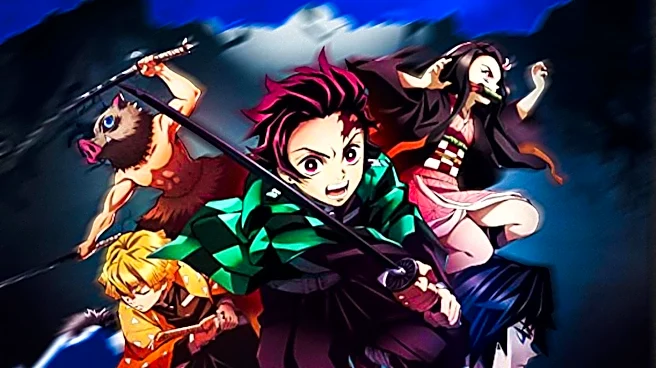
The Demon Slayer franchise, a popular manga and anime series, has faced significant fan disappointment in 2026. This year marks the 10th anniversary of the manga's debut, yet there have been no new TV seasons or movies released, nor any major celebratory
announcements. The anime, which began in 2019, is currently adapting its final arc, the Infinity Castle Arc, into a trilogy of movies. The first installment of this trilogy has already been released, but fans are awaiting updates on Part 2. The lack of new content and anniversary celebrations has been a major point of contention among the global fanbase, especially given the series' widespread popularity. While the animation studio, Ufotable, is known for its high-quality adaptations, the extended wait without new releases or significant anniversary events has led to a sense of an underwhelming year for the franchise. The manga concluded in 2020, with no plans for spin-offs or sequels, placing greater emphasis on the anime's continuation.
Why It's Important?
The current situation with the Demon Slayer franchise highlights the significant impact of content release schedules and fan engagement strategies in the entertainment industry. For a globally popular series, the absence of new material and a subdued 10th-anniversary celebration can lead to decreased fan enthusiasm and potential loss of momentum. This is particularly critical in the competitive anime market, where consistent engagement is key to maintaining a strong fanbase and commercial success. The disappointment among fans could affect future merchandise sales, viewership numbers for subsequent movie releases, and overall brand loyalty. The lack of communication regarding the anniversary or future projects also underscores the importance of managing fan expectations, especially for a series that has consistently delivered high-quality content since its anime debut. The situation serves as a case study on how even highly successful franchises can face challenges in maintaining continuous engagement without regular new releases or significant celebratory events.
What's Next?
Fans are anticipating potential updates regarding the Demon Slayer franchise at Jump Festa 2027, scheduled for December 19th and 20th, 2026. The event is expected to feature a panel for Demon Slayer on the Super Stage, where new information, particularly concerning Infinity Castle Part 2, is likely to be revealed. There are also rumors circulating about a possible new movie release next year, though no official announcement has been made. While any announcements at Jump Festa might provide some relief, it may not fully alleviate the disappointment stemming from the lack of earlier anniversary celebrations. The franchise's future trajectory, including the release schedule for the remaining Infinity Castle movies and any potential new projects, will heavily depend on the information shared at this upcoming event. The industry will be watching to see how Ufotable and the franchise creators address fan expectations and re-energize the fanbase.
Beyond the Headlines
The situation with Demon Slayer extends beyond mere release schedules, touching upon the evolving dynamics between creators, studios, and fan communities in the digital age. The expectation for continuous content and engagement, especially for a series with a dedicated global following, has intensified. The lack of a significant 10th-anniversary celebration for a manga that concluded years ago, while its anime adaptation is still ongoing, raises questions about long-term franchise management and the balance between production quality and consistent fan interaction. This scenario could influence how other major anime and manga franchises plan their anniversaries and content rollouts, emphasizing the need for proactive communication and strategic fan engagement. It also highlights the potential for fan sentiment to shift rapidly when expectations for new content or celebratory events are not met, underscoring the delicate relationship between creators and their audience in maintaining a franchise's cultural relevance and commercial success.