







What's Happening?
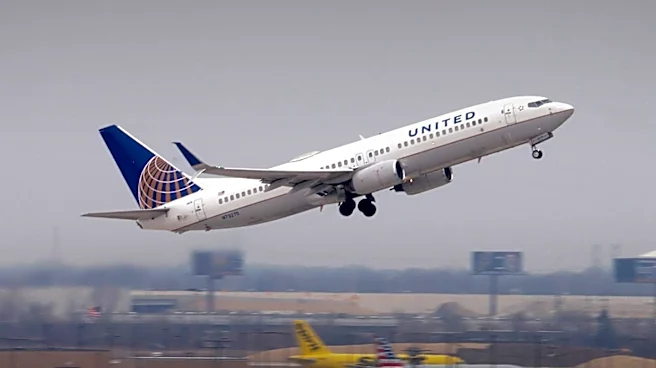
United Airlines has introduced a new feature to its mobile app allowing customers to join standby lists for earlier flights and automatically find open seats during travel disruptions. This update enables passengers who have been rebooked to a later flight due
to a disruption to stand by for up to three earlier flights. The app will monitor availability in the background and send a text notification when a seat becomes available, giving customers the option to switch while retaining their original confirmed reservation. This new functionality is being rolled out in anticipation of the busy Labor Day travel weekend, during which over 3.4 million United customers are expected to fly. The airline notes that more than 85% of its customers utilize the mobile app on their travel day, highlighting the increasing importance of digital tools for managing travel and disruptions. This enhancement is part of United's broader effort to expand its self-service recovery tools, which also include automatic rebooking, meal and hotel vouchers, and checked bag tracking during disruptions.
Why It's Important?
This mobile app enhancement by United Airlines is significant for the U.S. airline industry and its passengers, particularly in improving customer experience during travel disruptions. By offering a proactive standby option and automated seat monitoring, United aims to reduce passenger stress and the need for direct interaction with agents, thereby streamlining operational workflows. This could lead to increased customer satisfaction and loyalty, as travelers gain more control and flexibility over their itineraries, especially during peak travel periods like holidays. For United, this innovation could translate into more efficient handling of rebookings and fewer resources allocated to manual customer service interventions during irregular operations. The focus on self-service tools reflects a broader industry trend towards digital solutions to manage the complexities of air travel, potentially setting a new standard for how airlines address flight changes and delays. Competitors may feel pressure to develop similar features to remain competitive in the evolving landscape of air travel services.
What's Next?
The new standby feature is being implemented just before the busy Labor Day travel period, allowing United to test its effectiveness during a high-demand scenario. United will likely monitor customer adoption and feedback to further refine this feature and potentially introduce additional self-service tools. The airline's continued investment in its mobile app suggests a strategic direction towards greater digitalization of the travel experience, aiming to empower passengers with more control and information. Other airlines in the U.S. market will likely observe the success of this initiative, potentially leading to similar developments across the industry as they seek to enhance their own customer service offerings and operational efficiencies. Future updates could include more personalized disruption management options or integration with other travel services, further solidifying the mobile app as a central hub for travelers.
Beyond the Headlines
The introduction of advanced self-service features like United's new standby option highlights a deeper shift in the relationship between airlines and their customers. It underscores a growing expectation among travelers for immediate, digital solutions to common travel frustrations. This move not only addresses practical issues like rebooking but also subtly redefines customer autonomy in the travel process, moving away from reliance on gate agents or call centers. Ethically, this raises questions about digital equity, as passengers without smartphone access or digital literacy might be at a disadvantage. Culturally, it reflects a broader societal trend towards instant gratification and self-management through technology. In the long term, such innovations could lead to a more resilient and responsive air travel system, but also necessitate continuous investment in robust IT infrastructure and cybersecurity to protect passenger data and ensure system reliability.