








What's Happening?
Bitcoin mining is legal in the UAE, with no federal law prohibiting it. Mining for personal accounts is not regulated by VARA in Dubai or the SCA. However, commercial mining activities require a trade license from a free zone or the mainland. Companies
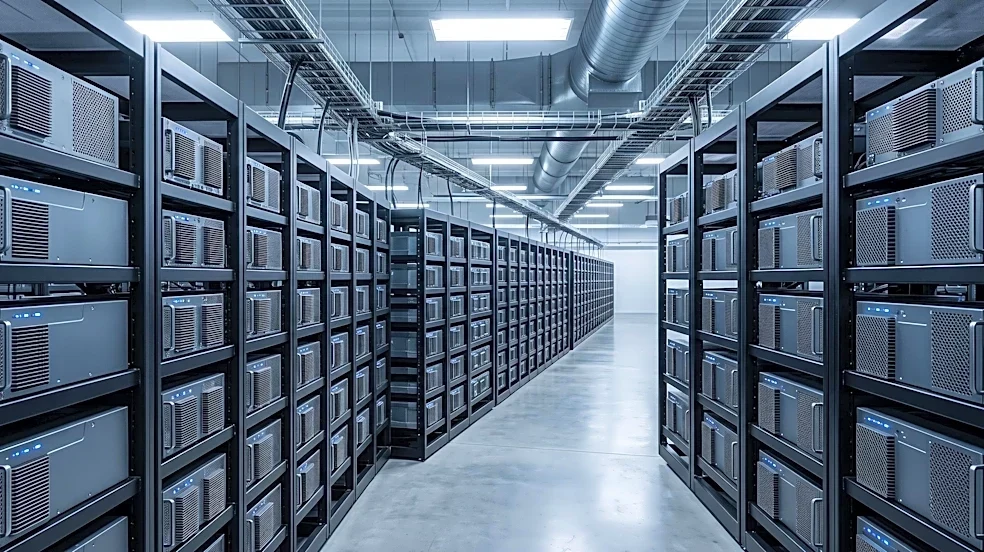
offering mining-related services, such as selling hashrate or running exchanges, fall under the regulated perimeter and need a VARA or SCA license. For individual miners, no personal income tax or capital gains tax applies to rewards. Licensed mining companies pay 0% corporate tax on profits up to AED 375,000 and 9% above that. VAT of 5% applies to hardware and services, and a 5% customs duty is levied on imported miners unless they remain in a free zone. Profitability for home mining in the UAE is highly dependent on electricity tariffs and machine efficiency. Dubai Electricity and Water Authority (DEWA) residential tariffs range from 29 fils to 44 fils per kWh across four monthly slabs. Only highly efficient hydro machines, like the Antminer S23 Hydro, can consistently clear a profit on residential tariffs, particularly in villas with adequate cooling solutions. Air-cooled machines often throttle or shut down during summer due to high temperatures.
Why It's Important?
The UAE's clear legal framework for Bitcoin mining positions it as a significant hub for cryptocurrency operations, attracting both individual and industrial miners. The distinction between personal and commercial mining, along with specific licensing requirements for services, provides regulatory clarity that can foster investment and innovation in the sector. The tax incentives, including 0% personal income tax and a tiered corporate tax structure, make the UAE an attractive location for miners. However, the detailed analysis of electricity costs and machine efficiency highlights the critical economic factors influencing profitability. The high summer temperatures in Dubai necessitate advanced cooling solutions, such as hydro cooling or immersion, which adds to the operational complexity and cost. This detailed breakdown of profitability and operational challenges is crucial for potential miners to understand the viability of their ventures, ensuring that only efficient setups can thrive in the local climate and energy market. The availability of hosting services in cooler climates, like the U.S., also offers an alternative for UAE-based miners seeking more consistent profitability.
What's Next?
Prospective miners in the UAE must first determine if their operation is for hobby or commercial purposes to ascertain licensing requirements. For commercial ventures, obtaining a trade license from free zones like DMCC's Crypto Centre, RAK DAO, or KEZAD is necessary. The choice of mining machine is critical, with efficient hydro machines being more suitable for home mining in villas, while apartment dwellers are advised to use hosting services. Miners must carefully calculate their electricity consumption to understand which DEWA tariff slab they will fall into, as this significantly impacts profitability. Selling mined Bitcoin for AED must be done through a VARA-licensed exchange. The ongoing development of industrial mining sites, such as those by Zero Two and Marathon, indicates a continued expansion of large-scale operations. The ban on crypto mining on agricultural farm plots since May 2024 also signals a regulatory effort to manage the environmental and land use impacts of mining. The market will likely see continued innovation in cooling technologies and energy-efficient mining hardware to adapt to the UAE's climate.
Beyond the Headlines
The UAE's approach to Bitcoin mining reflects a broader national strategy to embrace emerging technologies and diversify its economy beyond oil. By providing a clear, albeit nuanced, regulatory environment, the UAE aims to become a global leader in the digital asset space. However, the practical challenges highlighted, such as extreme heat and high electricity costs for residential users, underscore the environmental and infrastructural demands of cryptocurrency mining. This creates a tension between economic ambition and sustainable development. The reliance on hosting services in other countries, like the U.S., for optimal profitability also points to the global nature of the mining industry and the search for the most cost-effective and environmentally suitable locations. The detailed tax structure and customs duties illustrate the complex economic ecosystem being built around digital assets. This case study in the UAE provides valuable insights into how nations are attempting to integrate a resource-intensive digital industry into their existing economic and environmental frameworks, potentially influencing policy decisions in other regions grappling with similar challenges.