


What's Happening?
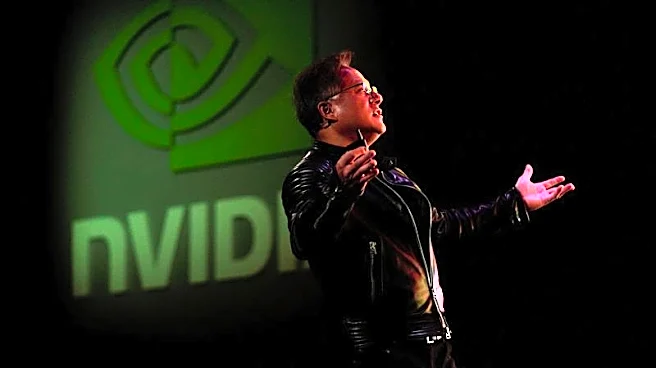
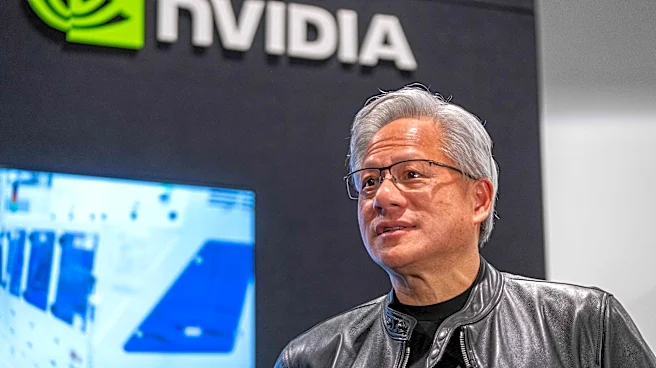
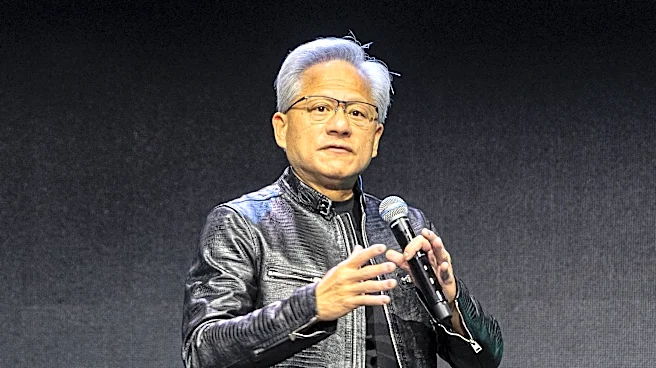
Jensen Huang, co-founder and CEO of Nvidia, has resigned from his position following revelations of multiple extramarital affairs. The resignation came after reports surfaced about an affair with Alice Huang, CEO of Singapore-based datacenter company
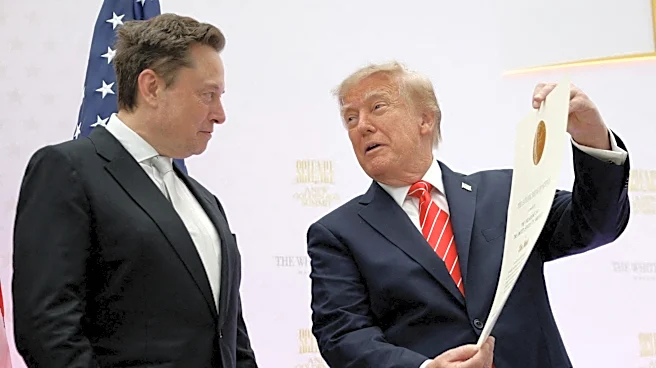
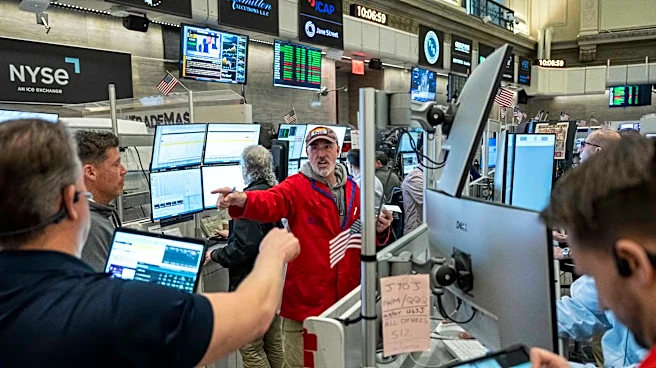
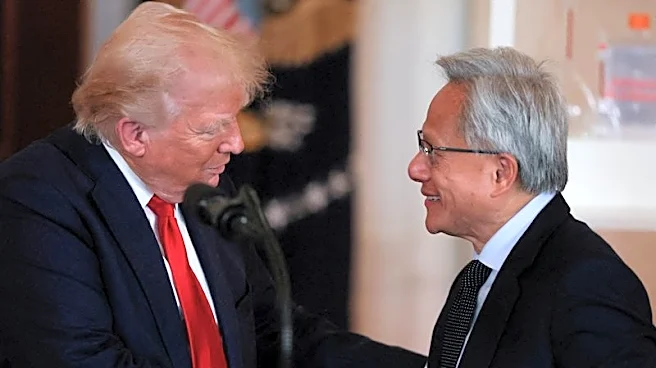
Megaspeed, who U.S. intelligence agencies suspect of being a Chinese spy. Nvidia's board initially launched an investigation but maintained support for Huang after the first affair came to light. However, subsequent reports of another affair with a subordinate led to an emergency board meeting and Huang's immediate resignation. This scandal has caused a significant drop in Nvidia's stock value, with trillions of dollars in market capitalization erased. The timing of these revelations, shortly after a national election, has led some analysts to suggest a political dimension, with potential motives to influence ongoing debates about AI and technology policy within the current administration. Huang had been a vocal advocate for Nvidia's continued sales to China, even in defiance of U.S. export regulations, and reportedly had a close relationship with President Trump, who allegedly chose not to act on intelligence regarding Alice Huang to avoid complicating U.S.-China trade relations and impacting Nvidia's sales.
Why It's Important?
Jensen Huang's resignation from Nvidia carries significant implications for the U.S. technology sector, particularly in the critical field of artificial intelligence. Nvidia, under Huang's leadership, has been a cornerstone of AI development, with its chips being essential for advanced computing. His departure creates a leadership vacuum at a company that has been at the forefront of technological innovation and economic growth. The allegations of an affair with a suspected Chinese agent also raise serious national security concerns, highlighting potential vulnerabilities in U.S. technology companies to foreign influence and espionage. This incident could prompt increased scrutiny from U.S. intelligence agencies and policymakers regarding the personal conduct of executives in sensitive industries and their potential impact on national security. Furthermore, the controversy surrounding Nvidia's sales to China, and President Trump's alleged inaction on intelligence regarding Alice Huang, underscores the complex interplay between business interests, political relationships, and national security objectives in the U.S.-China tech rivalry. The market's negative reaction to Huang's departure reflects investor uncertainty about Nvidia's future direction and stability without its visionary leader.
What's Next?
Nvidia's immediate next step involves finding a permanent successor to Jensen Huang. Colette Kress, the company's CFO, has been appointed as interim CEO while the search for a long-term leader is underway. Speculation about potential candidates includes AMD CEO Lisa Su, Arm CEO Rene Haas, and Nvidia's own datacenter chief Ian Buck. Analysts suggest that an internal candidate like Ian Buck might be preferred to maintain continuity in technical development and customer relations. Beyond leadership, Nvidia faces ongoing scrutiny from U.S. authorities, including an FBI investigation into Huang's conduct and a congressional summons for testimony. These investigations could uncover further details about the alleged espionage and influence peddling, potentially leading to new regulations or enforcement actions against Nvidia or other tech companies. The broader implications for U.S.-China tech relations are also significant, as this incident may intensify calls for stricter export controls and greater oversight of U.S. companies operating in China. There is also a public campaign, supported by prominent tech figures like Elon Musk, advocating for Huang's reinstatement, indicating a potential internal struggle within Nvidia and among its stakeholders regarding his future.
Beyond the Headlines
The scandal surrounding Jensen Huang extends beyond corporate governance and market fluctuations, touching upon profound ethical, legal, and geopolitical dimensions. Ethically, the revelations raise questions about the responsibilities of corporate leaders, particularly those heading companies critical to national infrastructure and technological advancement. The alleged affair with a suspected foreign agent blurs the lines between personal conduct and national security, highlighting the immense trust placed in such individuals. Legally, the ongoing FBI investigation and congressional inquiry could set precedents for how the U.S. government addresses potential foreign influence within its tech sector, especially concerning executives with high-level political connections. The timing of the leaks, post-election, suggests a political weaponization of personal information to influence policy debates, indicating a new frontier in political maneuvering within the tech industry. Culturally, the incident may fuel public distrust in corporate leadership and raise awareness about the subtle ways foreign adversaries can attempt to gain access to sensitive information. This event could also trigger a long-term shift in how U.S. companies vet and monitor their top executives, particularly those with significant international dealings, leading to more stringent security protocols and ethical guidelines to safeguard national interests against espionage and undue influence.