






What's Happening?
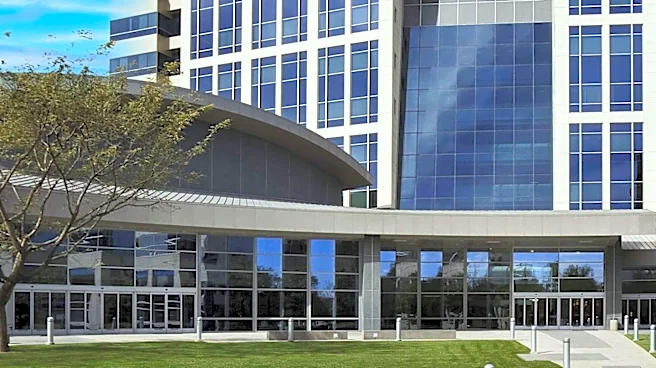
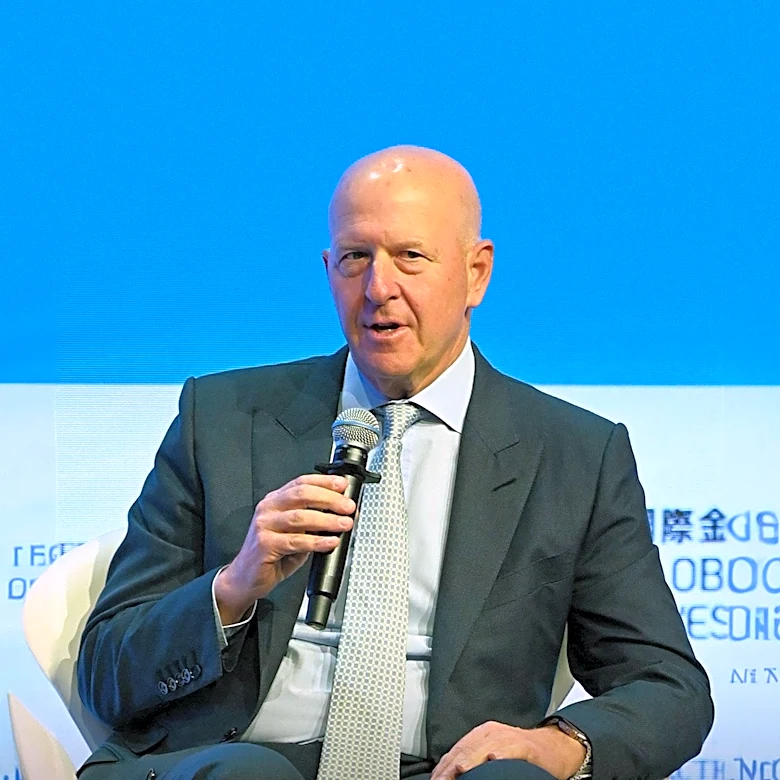
U.S. Senator Ted Budd (R-N.C.) participated in the groundbreaking ceremony for Forge Nano's expanded lithium-ion battery manufacturing facility in Morrisville, North Carolina. This expansion will transform Forge Nano's existing 100,000-square-foot operation
into a nearly 315,000-square-foot campus, aiming to establish approximately 3 gigawatt-hours (GWh) of annual battery cell manufacturing capacity. The project, financed in part by up to $100 million in non-dilutive funding from the U.S. Department of Energy, is a collaborative effort involving Forge Nano, federal and state partners, and strategic industry collaborators. The facility is designed to produce advanced lithium-ion batteries for national defense, aerospace, and other critical U.S. markets. Senator Budd emphasized that this investment is crucial for maintaining America's technological edge, strengthening U.S. battery manufacturing capabilities, and expanding domestic production to compete with countries like China. The expansion is expected to create over 250 jobs in North Carolina, leveraging the state's workforce and business climate.
Why It's Important?
This initiative is vital for U.S. national security and economic independence. The nation's reliance on foreign-controlled supply chains for critical batteries, especially those used in defense applications, presents a significant vulnerability. By expanding domestic manufacturing capacity, the U.S. aims to secure its supply of advanced lithium-ion batteries, reducing dependence on external sources and mitigating geopolitical risks. The project also aligns with new National Defense Authorization Act (NDAA) battery sourcing requirements set to take effect in 2028, further underscoring the need for secure domestic production. Economically, the expansion will create over 250 jobs in advanced manufacturing, engineering, and technical roles in North Carolina, boosting the local economy and fostering a skilled workforce. This strategic investment positions the U.S. to lead in critical technologies and strengthens its manufacturing base, enhancing its competitive edge in the global market.
What's Next?
Construction on the Forge Nano facility expansion is expected to begin imminently, with manufacturing equipment scheduled for delivery over the next two years. Production at the Morrisville facility is anticipated to commence in 2028. At full capacity, the facility is projected to produce approximately 150 million battery cells per year, supporting various applications including drones, electric military vehicles, and energy storage systems. Forge Nano's strategic partnership with Samsung SDI will also play a crucial role, with Samsung SDI providing operational and manufacturing expertise and a conditional procurement agreement for cells manufactured at the Gigafactory starting in 2028. This collaboration aims to advance the incorporation of Forge Nano’s proprietary Atomic Armor® technology into future Samsung SDI battery products, further solidifying domestic battery innovation and production.
Beyond the Headlines
The expansion of domestic battery manufacturing, as exemplified by Forge Nano's project, signifies a broader strategic shift towards reshoring critical industries and bolstering national resilience. Beyond immediate economic and defense benefits, this move addresses long-term concerns about supply chain vulnerabilities and technological sovereignty. The emphasis on advanced materials and technologies, such as Atomic Layer Deposition (ALD) and Atomic Armor®, highlights a commitment to innovation that could have ripple effects across various sectors, from consumer electronics to renewable energy. This initiative also underscores the importance of public-private partnerships and federal funding in catalyzing significant industrial development, setting a precedent for future investments in strategic technologies. The focus on creating a skilled workforce in advanced manufacturing also points to a sustained effort to cultivate domestic talent and expertise, ensuring the U.S. remains at the forefront of technological progress.