








What's Happening?
Erik Norland, Managing Director and Chief Economist at CME Group, has provided an analysis of the current trends in U.S. Treasury yields and precious metals prices. According to Norland, the year 2026 began with contrasting narratives around inflation,
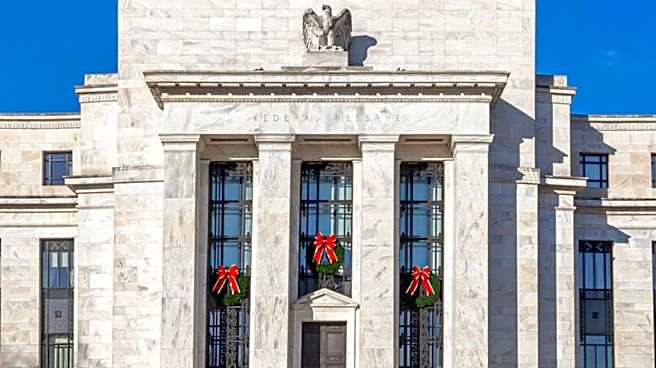
with precious metals prices initially soaring due to fears of higher inflation and concerns over central bank independence. However, a shift in sentiment led to a decline in precious metals prices and a rise in U.S. Treasury yields, particularly at the shorter end of the yield curve. Norland attributes this shift to the nomination of Kevin Warsh as the head of the Federal Reserve, which raised concerns about the Fed's independence. Additionally, Norland highlights the impact of fiscal policies, noting that large budget deficits in the U.S. and other countries could influence the direction of bond yields and precious metals prices.
Why It's Important?
The analysis by Norland is significant as it highlights the interplay between monetary and fiscal policies and their impact on financial markets. The rise in U.S. Treasury yields and the decline in precious metals prices could have broad implications for investors and the economy. Higher yields may increase borrowing costs, affecting everything from mortgages to corporate financing. Meanwhile, the decline in precious metals prices could impact investors who view these assets as a hedge against inflation. The ongoing fiscal deficits in the U.S. and other countries could lead to higher long-term yields, affecting government borrowing costs and potentially leading to increased interest rates. This situation underscores the importance of monitoring fiscal policies and their potential impact on financial markets.
What's Next?
Looking ahead, Norland suggests that the direction of precious metals prices and bond yields will depend on future fiscal and monetary policies. Any coordinated political effort to reduce deficits could lower long-term yields and decrease the appeal of precious metals. Conversely, continued or expanded deficits could push long-term yields higher. Additionally, the performance of the equity market remains a variable, as a prolonged bull market could sustain economic growth and keep inflation rates above central bank targets, potentially impacting both government bonds and precious metals. Investors will need to closely monitor these developments to make informed decisions.