








What's Happening?
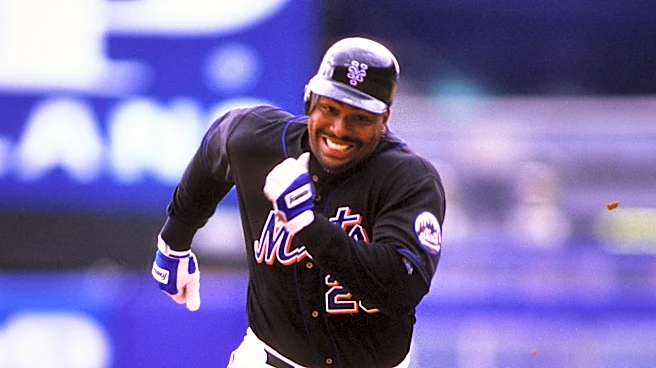
Every July 1, the New York Mets pay former player Bobby Bonilla $1,193,248.20, a tradition that has been ongoing since 2011 and will continue until 2035. This arrangement stems from a deferred payment agreement made in 2000 when the Mets opted to buy
out the remaining $5.9 million on Bonilla's contract. Instead of a lump sum, the team agreed to annual payments over 25 years, including an 8% interest rate. This decision was influenced by the Mets' investment in a Bernie Madoff account, which was expected to yield high returns. However, the anticipated profits did not materialize. Under the ownership of Steve Cohen, the Mets have embraced this unique financial arrangement, even considering celebrating 'Bobby Bonilla Day' at Citi Field.
Why It's Important?
The Bonilla payment highlights the unique financial strategies within Major League Baseball, where deferred payments are not uncommon. Such arrangements can provide teams with short-term financial flexibility, allowing them to manage payroll and competitive balance tax implications more effectively. For players, these deals offer long-term financial security. The Bonilla case is particularly notable due to its longevity and the public interest it generates annually. It underscores the complexities of sports contracts and the potential risks and rewards of financial investments by sports franchises. The Mets' decision, influenced by the Madoff investment, serves as a cautionary tale about the unpredictability of financial markets.
What's Next?
As the payments continue, the Mets may further capitalize on the public interest in 'Bobby Bonilla Day' through marketing and fan engagement activities. This could include special events or promotions at Citi Field. The ongoing nature of the payments also keeps the spotlight on the Mets' financial decisions, potentially influencing how other teams structure contracts. Additionally, as more players and teams engage in deferred payment agreements, the MLB may see an evolution in contract negotiations, with both parties seeking to balance immediate financial needs with long-term security.