





What's Happening?
The American Kennel Club (AKC), a not-for-profit organization established in 1884, has issued guidelines for dog owners to ensure a safe and enjoyable Halloween for their pets. The AKC, which maintains the largest registry of purebred dogs globally and oversees
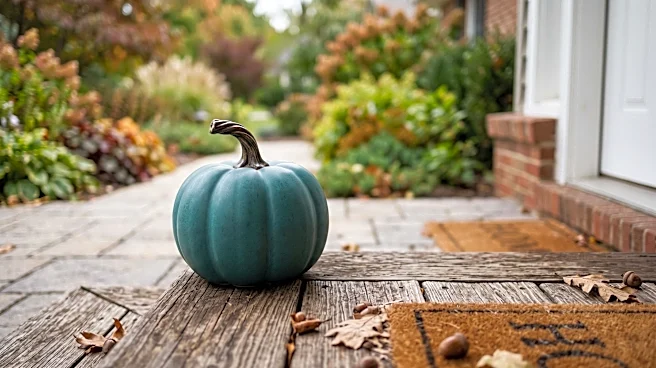
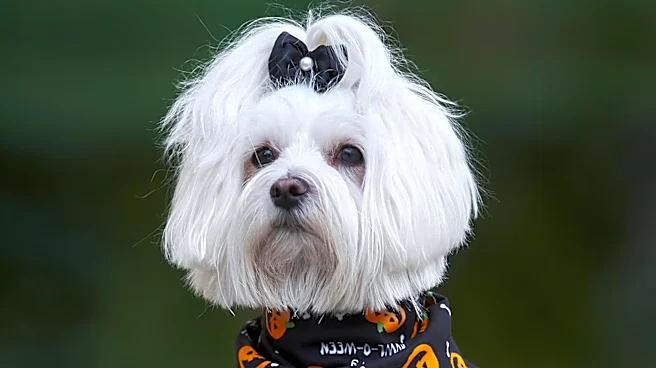
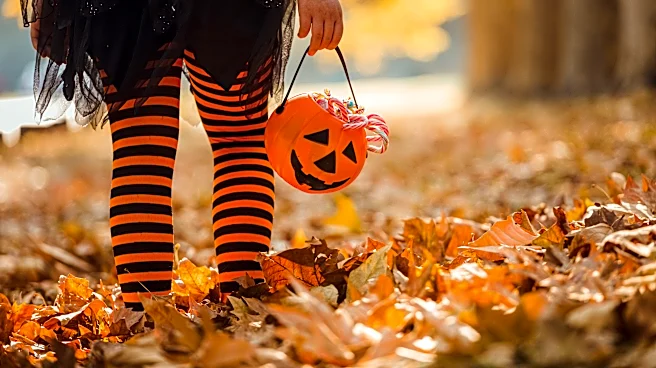
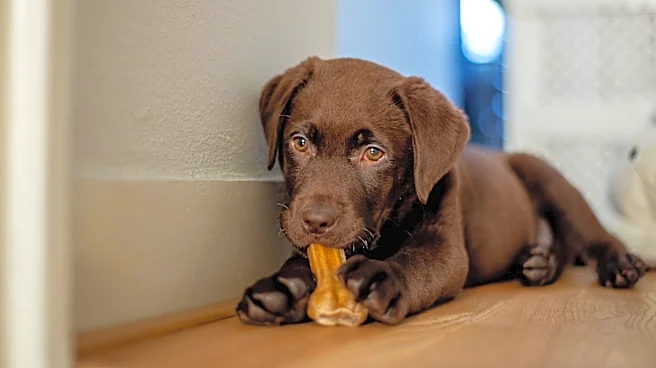
dog sports in the U.S., emphasizes that while humans enjoy Halloween festivities, the changes in sights, sounds, and smells can be overwhelming for dogs. The recommendations include avoiding overwhelming dogs with costumes, ensuring any pet outfits are safe and free of chewable parts, and never leaving pets unattended in costumes. Dog owners are advised to keep their pets indoors during trick-or-treating hours to prevent them from being spooked or darting out the door. If venturing out, dogs should always be leashed and supervised. The AKC also stresses the importance of monitoring a dog's body language for signs of stress, such as tail tucking or restlessness, and keeping all human treats, especially chocolate and candies containing Xylitol, out of reach due to their toxicity. Additionally, decorations like corn cobs and pumpkins can pose a choking hazard or cause digestive issues, so dogs should be supervised around them.
Why It's Important?
These guidelines from the American Kennel Club are important for promoting responsible pet ownership and ensuring the well-being of dogs during a potentially stressful holiday. Halloween, with its unique sights, sounds, and influx of strangers, can present numerous hazards and anxieties for pets. By providing clear, actionable advice, the AKC helps dog owners mitigate risks such as accidental ingestion of toxic treats, escape from the home, or undue stress from unfamiliar costumes and crowds. This initiative underscores the AKC's broader mission to advance canine health and well-being and protect the rights of all dog owners. Adherence to these recommendations can prevent veterinary emergencies, reduce behavioral issues stemming from fear or anxiety, and foster a safer community environment where both humans and their canine companions can coexist peacefully during festive periods. The emphasis on pet safety also highlights the evolving understanding of animal welfare and the need for proactive measures to protect pets from human-centric celebrations.
What's Next?
Dog owners are encouraged to review and implement the AKC's safety tips as Halloween approaches. The AKC will likely continue to disseminate these and similar guidelines through its website and affiliated clubs, reinforcing the message of responsible pet care during holidays. Veterinary clinics and animal shelters may also echo these recommendations, providing local support and resources for pet owners. In the long term, such educational campaigns contribute to a greater public awareness of animal welfare, potentially influencing future pet product development for safety and encouraging more thoughtful integration of pets into family activities. The ongoing effort to educate the public on pet safety during holidays will remain a continuous process, adapting to new challenges and insights in animal behavior and health.
Beyond the Headlines
The AKC's Halloween safety guidelines reflect a deeper cultural shift towards recognizing pets as integral family members whose emotional and physical well-being requires careful consideration. This initiative moves beyond basic care to address the psychological impact of human activities on animals, highlighting the importance of understanding canine behavior and stress signals. It also subtly underscores the ethical responsibility of pet ownership, urging owners to prioritize their pets' comfort and safety over purely human-centric festive traditions. The focus on preventing accidental poisonings and injuries also touches upon the broader public health implications, as veterinary emergencies can strain resources and cause significant distress to families. This proactive approach by the AKC contributes to a more compassionate society where animal welfare is increasingly integrated into everyday practices and celebrations, fostering a more harmonious relationship between humans and their companion animals.