





What's Happening?
Houston-based Solaris Energy Infrastructure (SEI) has acquired Slaughter, Louisiana-based Omega Foundation Services in a deal that includes cash, debt, and stock. This acquisition is set to broaden SEI’s full-cycle power solutions and create new opportunities
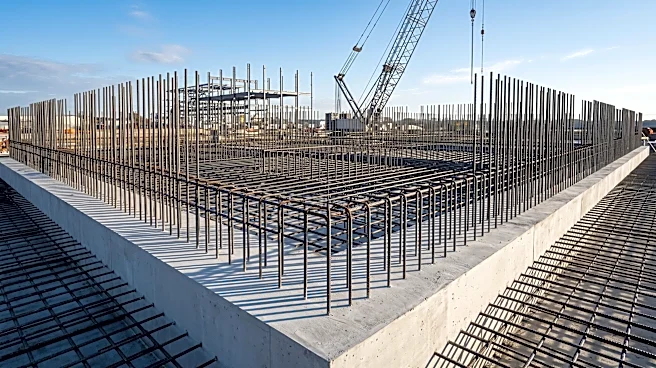
across various growing end markets in Louisiana. Omega Foundation Services, established in 2020, specializes in engineering, procurement, and construction, with expertise in deep foundations, heavy civil construction, and hydro excavation. Their work spans data center and power plant sites, as well as industrial and utility infrastructure. The acquisition provides Solaris with front-end construction capabilities for projects it already supports with power generation, distribution, installation, and ongoing maintenance. The deal was valued at approximately $101 million in net cash consideration, $28 million in assumed debt and leases, and the issuance of about 3.6 million Class A shares. Solaris anticipates that this acquisition will immediately contribute positively to its earnings and free cash flow per share.
Why It's Important?
This acquisition is significant for the U.S. power infrastructure sector, particularly in Louisiana, as it enhances the capabilities of a major player in providing comprehensive power solutions. By integrating Omega's specialized construction expertise, Solaris Energy Infrastructure can streamline project development from initial stages through to ongoing support, potentially leading to more efficient and cost-effective infrastructure projects. This move is especially relevant given the increasing demand for robust power infrastructure driven by the expansion of data centers and other industrial facilities in the region. The ability to control construction costs and schedules more effectively could accelerate the deployment of critical energy projects, supporting economic growth and technological advancements. Furthermore, the deal highlights a trend of consolidation within the energy infrastructure sector, as companies seek to offer more integrated services and capitalize on growing market demands, particularly in states like Louisiana which are experiencing significant industrial development.
What's Next?
Following the acquisition, Solaris Energy Infrastructure is expected to integrate Omega Foundation Services' operations, leveraging its expertise to pursue new opportunities in data centers, LNG, industrial, and government projects. The combined entity aims to improve control over construction costs and schedules, which could lead to more competitive bids and faster project completion times. The immediate accretion to Solaris's earnings and free cash flow per share suggests a positive financial outlook for the company. The focus on expanding power infrastructure capabilities in growing Louisiana end markets indicates a strategic push to capitalize on the region's industrial and technological development. Stakeholders, including other energy companies, industrial clients, and local communities, will likely observe how this enhanced capability translates into new project announcements and improved infrastructure reliability in the coming years.
Beyond the Headlines
The acquisition of Omega Foundation Services by Solaris Energy Infrastructure points to a broader strategic shift in how energy infrastructure projects are managed and executed in the U.S. The emphasis on full-cycle power solutions, from initial construction to ongoing support, reflects a growing need for integrated service providers capable of handling complex, large-scale projects. This trend is driven by the increasing energy demands of sectors like data centers and liquefied natural gas (LNG), which require reliable and scalable power solutions. The deal also underscores the importance of specialized expertise in areas like deep foundations and heavy civil construction, which are critical for building resilient infrastructure. Ethically, the integration of such services could lead to more accountability and efficiency in project delivery, potentially reducing environmental impacts through better planning and execution. Culturally, it signifies a move towards more comprehensive and vertically integrated business models within the energy sector, aiming to meet the evolving demands of a rapidly industrializing landscape.