


What's Happening?
General Motors is reportedly shifting its electrification strategy by reintroducing hybrid powertrains for three of its popular American SUVs: the Chevrolet Traverse, Buick Enclave, and GMC Acadia. This move comes after significant investments in all-electric
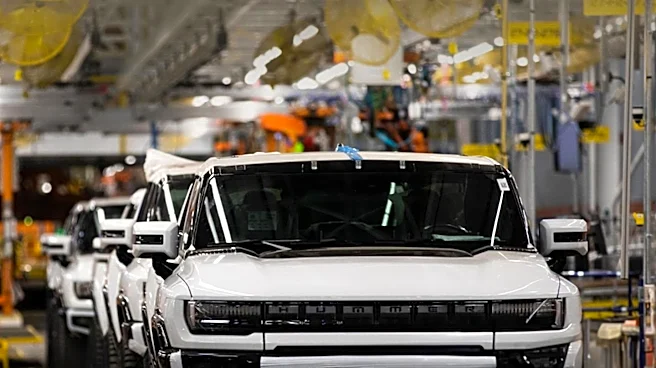
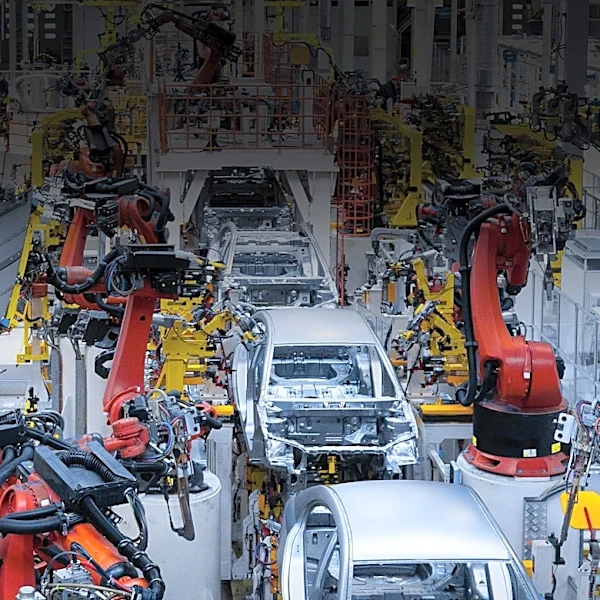
vehicles and a previous focus on a fully electric future. According to Reuters, citing sources familiar with the company's plans, these large SUVs are expected to receive versions that combine a gasoline engine with an electric system. The planned production is linked to the Lansing Delta Township factory in Michigan, where these models are already manufactured. General Motors has confirmed investments in this plant to facilitate hybrid vehicle production, though specific models and timelines have not been officially disclosed. This strategic adjustment aims to reduce the company's reliance on the pace of all-electric vehicle adoption, which has varied across markets due to factors like vehicle cost and charging infrastructure availability. CEO Mary Barra had previously indicated a return to hybrids across multiple segments of the company's offerings.
Why It's Important?
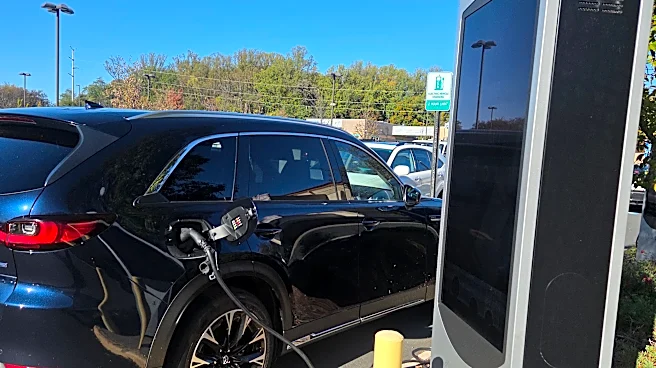
This shift by General Motors is significant for the U.S. automotive market, particularly for the large SUV segment, which enjoys considerable popularity among American consumers. The reintroduction of hybrids addresses a gap in the market where buyers of spacious family vehicles often prioritize range, ease of use, and the ability to travel long distances without extensive charging planning. Hybrid powertrains offer a compelling solution by reducing fuel consumption in certain conditions while retaining the convenience of quick refueling at gas stations. This strategy could attract customers who desire improved fuel efficiency but are not yet ready to fully commit to electric vehicles due to concerns about charging infrastructure or range anxiety. For General Motors, it represents a pragmatic response to market realities, allowing them to cater to a broader customer base and potentially mitigate risks associated with the slower-than-anticipated adoption of purely electric vehicles. This could also impact competitors who have heavily invested in all-electric platforms, potentially prompting them to re-evaluate their own product offerings.
What's Next?
General Motors is expected to officially announce the specific models, technical specifications, and production timelines for these new hybrid SUVs. The company has confirmed preparations for hybrid production at its Michigan plant, indicating that the transition is already underway. The success of this hybrid strategy will likely influence future product development and investment decisions within GM and potentially across the broader U.S. automotive industry. Competitors will be closely watching GM's market performance with these new hybrid offerings. The move also suggests a more diversified approach to powertrain options, acknowledging that a single-minded focus on EVs might not be optimal for all market segments or consumer preferences in the near term. Further investments in manufacturing facilities to support hybrid production are also anticipated.
Beyond the Headlines
The decision by General Motors to re-embrace hybrid technology, even after substantial investments in electric vehicles, highlights a broader industry challenge: balancing ambitious electrification goals with current consumer demand and infrastructure readiness. This move could signal a more nuanced approach to the transition away from internal combustion engines, recognizing that a 'one-size-fits-all' electric strategy may not be viable for all vehicle types or customer segments. It also underscores the importance of flexibility in manufacturing and product development in a rapidly evolving automotive landscape. Ethically, it raises questions about the environmental impact of continued gasoline engine use, even in hybrid form, versus the long-term goal of zero-emission vehicles. Legally, it could influence regulatory discussions around emissions standards and incentives for different types of electrified vehicles. Culturally, it reflects a potential shift in consumer perception, where practicality and convenience might currently outweigh the immediate adoption of fully electric alternatives for certain vehicle categories.