





What's Happening?
Dogecoin experienced its thinnest trading day in October on Saturday, with only $0.77 million worth of DOGE changing hands on the Kraken exchange across 2,582 trades. This figure is significantly lower than the October average of $3.96 million and 7,986
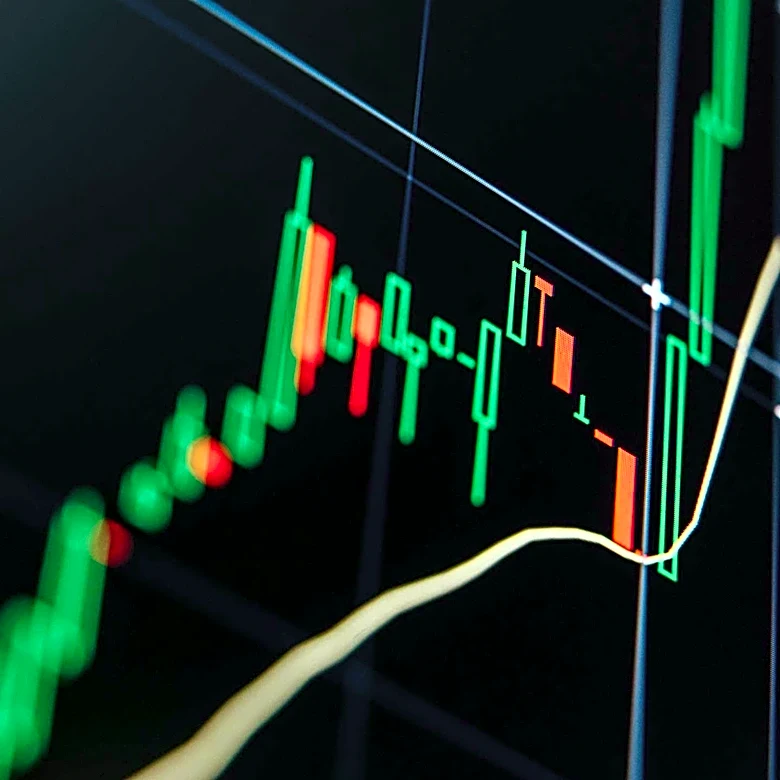
trades per day. Despite a 0.52% gain on Saturday, the low turnover ratio, which measures the share of total holdings traded daily, stood at 2.56% for Dogecoin across all exchanges, notably less than Bitcoin (3.95%) and Litecoin (3.81%). This reduced trading volume indicates a lack of counterparty in the order book, meaning that even small trades can disproportionately influence the price, leading to increased slippage for market orders. The month of October saw Dogecoin's price decline by 20.0%, with the highest turnover days occurring in the first half of the month.
Why It's Important?
The significantly reduced trading volume and low turnover ratio for Dogecoin highlight a critical issue of market liquidity. When an asset's trading volume dries up, it becomes more susceptible to price manipulation and increased volatility, as fewer participants are needed to move the price. This can lead to higher slippage for traders using market orders, meaning they may not get the price they expect. For investors, thin trading conditions increase risk, as it can be challenging to enter or exit positions at desired prices without significantly impacting the market. The decline in turnover, particularly in the latter half of October, suggests a decrease in investor participation and interest, which could be a bearish signal for the asset's short-term price stability. This situation underscores the importance of liquidity as a key factor in assessing the health and tradability of any cryptocurrency.
What's Next?
In the immediate future, traders and investors in Dogecoin should closely monitor trading volumes and liquidity. A continued lack of participation could lead to further price instability and make the asset more vulnerable to sharp movements. The editorial team's assessment suggests that any price gains on such thin trading are not indicative of underlying strength. Traders are advised to use limit orders to mitigate slippage risks and to check spreads and fees at their chosen exchanges. For those who sold at a loss in October, it is crucial to keep detailed records for tax purposes, as cryptocurrency transactions have specific tax implications. The resilience of any price movement in the coming days will be more accurately gauged by an increase in turnover rather than just price changes alone.
Beyond the Headlines
The phenomenon of 'thin trading' in Dogecoin, particularly on weekends, points to a broader structural characteristic of certain cryptocurrency markets. While often attributed to meme coin status and speculative trading, the lack of consistent liquidity can expose fundamental weaknesses. This situation raises questions about the true depth and maturity of these markets compared to more established financial assets. The impact on individual investors, especially those new to crypto, can be significant, as they may not fully understand the implications of low liquidity on their trades and potential losses. This scenario also highlights the ongoing debate about market efficiency and fairness in unregulated or less regulated digital asset environments, where transparency and robust market mechanisms are often lacking.