






What's Happening?
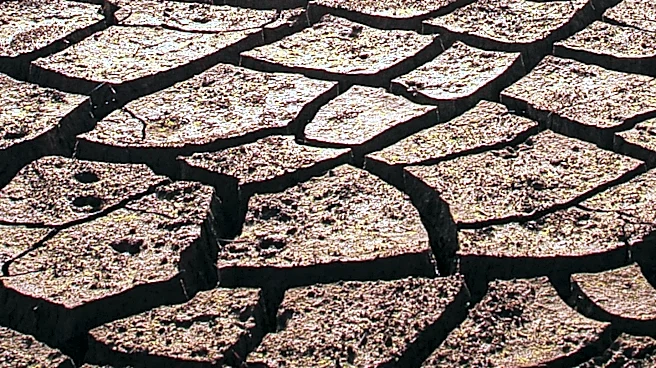
Gardeners in Arkansas are contending with a severe drought, with many areas receiving less than an inch or two of rain in months, leading to widespread browning of lawns, dying shrubs, and damaged trees. Janet B. Carson, a gardening expert, highlights
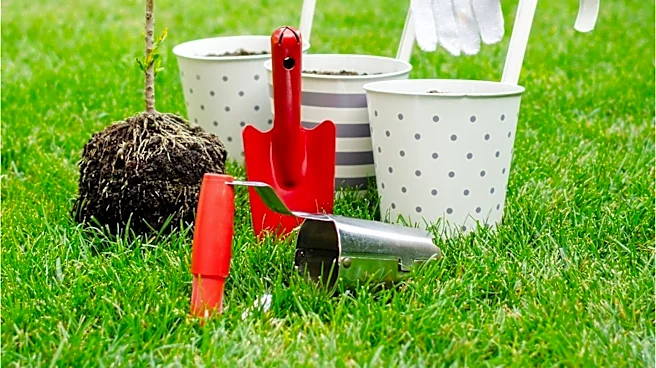
the critical need for watering to ensure the health of trees and shrubs, not just for the present but for their ability to grow next spring. Despite the dry conditions, November is identified as an ideal time for specific gardening tasks. Garden sanitation, including removing dead annuals and vegetables and raking leaves, is crucial. For winter color, planting pansies, violas, kale, cabbage, snapdragons, and dianthus is recommended, with an emphasis on watering new plantings for establishment. Additionally, November is the optimal month to plant bulbs and new trees, as dormant plants have time to establish roots before spring foliage growth. Damaged trees should be monitored, and replacements planted.
Why It's Important?
The drought conditions in Arkansas underscore the increasing vulnerability of U.S. agriculture and home gardening to climate variability. This situation highlights the critical importance of water conservation practices and strategic planting decisions for long-term landscape health. For homeowners, the drought translates to potential financial losses from dying plants and increased effort in watering. For the nursery and landscaping industries, it means adapting to demand for drought-tolerant species and providing guidance on water-efficient gardening. The emphasis on fall planting, particularly for trees and bulbs, is crucial for maximizing plant survival and growth in challenging conditions, demonstrating a proactive approach to climate resilience in gardening practices across the U.S.
What's Next?
Given the persistent drought, Arkansas gardeners will likely continue to prioritize water conservation and drought-resistant planting strategies. This may lead to increased demand for native plants and species known for their low water requirements. Local nurseries and gardening centers may adjust their inventory to reflect these needs. Educational outreach from experts like Janet B. Carson will remain vital in guiding gardeners through challenging weather patterns. The long-term impact of the drought on the health of existing trees and shrubs will necessitate ongoing monitoring and potential replacement efforts in the coming years. There will be a continued focus on resilient gardening practices to mitigate the effects of future dry spells.
Beyond the Headlines
The Arkansas drought and its impact on gardening reveal a deeper narrative about human adaptation to environmental change. It forces a re-evaluation of traditional gardening practices and encourages a more ecological approach, where plant choices are dictated by local climate realities rather than purely aesthetic preferences. This situation can foster a greater appreciation for the resilience of nature and the interconnectedness of ecosystems. It also highlights the role of community and shared knowledge in navigating environmental challenges, as gardeners exchange tips and support each other. The long-term consequences of such droughts could lead to a permanent shift in gardening culture, promoting a more sustainable and regionally appropriate landscape design that is better equipped to withstand future climate extremes.