



What's Happening?
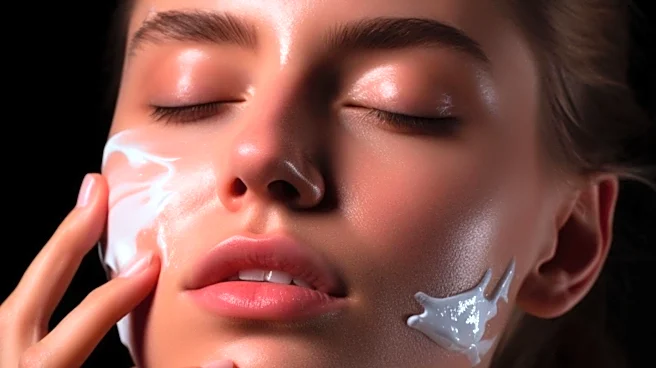
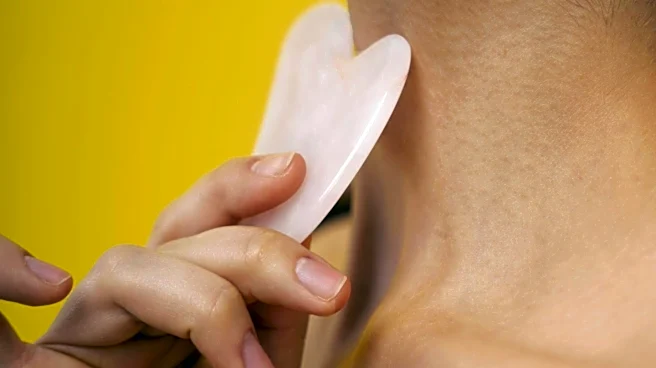
Beauty experts are recommending specific tools for at-home face sculpting, emphasizing cost-effective and beneficial methods. Gua sha stones are highlighted as a top choice due to their ability to encourage fluid movement, reduce puffiness, and define
facial features like the jawline and cheekbones. The Mount Lai Jade Gua Sha is specifically noted for its ergonomic design, making it easy for beginners to use. For those seeking more advanced toning and lifting effects, microcurrent devices are suggested. The NuFace Trinity+ Starter Kit is a prominent recommendation in this category, praised for its three microcurrent modes that target skin lifting, toning, and tightening. Experts appreciate its user-friendly mechanics and ergonomic design, particularly its bulbous head which facilitates sculpting of the cheeks, jawline, and forehead. These tools offer non-invasive options for individuals looking to enhance facial contours and skin appearance from home.
Why It's Important?
The growing popularity of at-home face sculpting tools signifies a broader trend in the beauty industry towards accessible, non-invasive cosmetic treatments. This shift allows consumers to achieve professional-like results without the expense or downtime associated with in-office procedures. The emphasis on tools like gua sha, which are cost-effective and focus on lymphatic drainage, also reflects an increasing consumer interest in holistic and natural beauty practices. Microcurrent devices, while a larger investment, cater to a demand for technology-driven skincare solutions that offer tangible lifting and toning benefits. This trend impacts the beauty market by driving innovation in at-home devices and products, potentially shifting consumer spending from traditional spa services to personal beauty tech. It also empowers individuals to take a more active role in their skincare routines, fostering a sense of self-care and personalized beauty management.
What's Next?
The market for at-home beauty devices is likely to continue expanding, with manufacturers potentially introducing more advanced, user-friendly, and specialized face-sculpting tools. We can anticipate further integration of technology, such as AI-driven personalized treatment plans or enhanced connectivity with skincare apps, to optimize user experience and results. As consumer awareness grows, there may be an increased demand for scientific validation and clinical studies to support the efficacy claims of these devices. Beauty retailers and online platforms will likely expand their offerings, providing more diverse options and educational content to guide consumers. Additionally, the trend could influence professional aesthetic services, prompting them to either integrate these at-home tools into their recommendations or develop more advanced in-clinic treatments that complement at-home routines.
Beyond the Headlines
The rise of at-home face sculpting tools touches upon deeper societal implications regarding beauty standards and self-perception. The accessibility of these tools may contribute to a culture where individuals feel more pressure to maintain a 'sculpted' appearance, potentially influencing self-esteem and body image. On the other hand, it can also be viewed as an empowering trend, offering individuals greater control over their aesthetic choices and promoting self-care rituals. Ethically, the marketing of these devices will need to be transparent about realistic outcomes, managing consumer expectations to avoid disappointment. Legally, as the market grows, there may be increased scrutiny on product safety and efficacy claims, potentially leading to more stringent regulations for beauty tech devices. Culturally, the integration of these tools into daily routines reflects a broader societal embrace of wellness and anti-aging practices, blurring the lines between traditional beauty regimens and medical aesthetics.