




What's Happening?
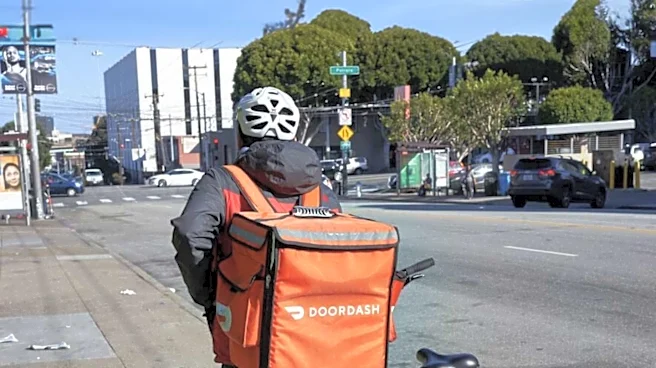
A recent DoorDash report indicates that offering SNAP/EBT payment options for grocery delivery presents a substantial opportunity for grocery stores to acquire new customers. The report reveals that approximately 85% of a store's SNAP customers on DoorDash are
new to that particular store. Furthermore, a survey conducted by DoorDash found that 61% of SNAP/EBT users would opt for a different online big-box retailer if the delivery service were unavailable from their preferred store, rather than visiting the store in person. Key reasons cited by respondents for using SNAP delivery include caregiving responsibilities (46%) and transportation difficulties (43%), with over one-third reporting a disability or chronic illness. DoorDash's SNAP/EBT network has expanded significantly, with over 4.5 million consumers adding SNAP/EBT cards to the app and nearly 75,000 stores now accepting these payments on the platform. This expansion means that 99% of U.S. households receiving SNAP benefits have access to at least one participating store.
Why It's Important?
This development is crucial for the U.S. grocery industry, particularly for regional chains and independent grocers. It highlights a pathway to reach a demographic that might otherwise be inaccessible due to logistical barriers. By embracing SNAP delivery, grocers can tap into a new customer base, potentially fostering long-term relationships if the online shopping experience, including pricing, assortment, and delivery, meets customer expectations. For consumers, especially those with limited mobility, caregiving duties, or chronic illnesses, SNAP delivery offers enhanced accessibility to essential groceries, potentially improving food security and quality of life. However, the report also raises questions about the profitability of these orders for grocers, as USDA rules currently do not allow SNAP benefits to cover delivery fees or associated charges, which could impact the total cost for customers and the financial viability for retailers.
What's Next?
Grocers will likely continue to evaluate and potentially expand their participation in SNAP delivery programs. The focus will be on understanding the long-term customer retention rates and the profitability of these orders after accounting for fulfillment costs. The regulatory landscape regarding SNAP benefits and delivery fees may also evolve, which could further impact the adoption and structure of these services. DoorDash and other delivery platforms are expected to continue expanding their networks and refining their offerings to cater to this growing segment. Grocers will need to carefully analyze their online pricing strategies and promotional activities to ensure that SNAP delivery remains practical and affordable for customers throughout the month, while also being sustainable for their businesses.
Beyond the Headlines
The rise of SNAP delivery services touches upon broader societal issues related to food access, equity, and the digital divide. For many households, particularly those facing socio-economic challenges, the ability to receive groceries at home can significantly alleviate burdens related to transportation, time, and physical limitations. This shift could lead to a re-evaluation of how food assistance programs are integrated with modern retail and logistics. It also underscores the ethical responsibility of grocers and delivery platforms to ensure that these services are not only accessible but also genuinely beneficial and cost-effective for vulnerable populations, without inadvertently creating new financial barriers through uncompensated fees. The long-term impact could be a more inclusive and efficient food distribution system, but it requires careful consideration of both business models and social welfare.