




What's Happening?
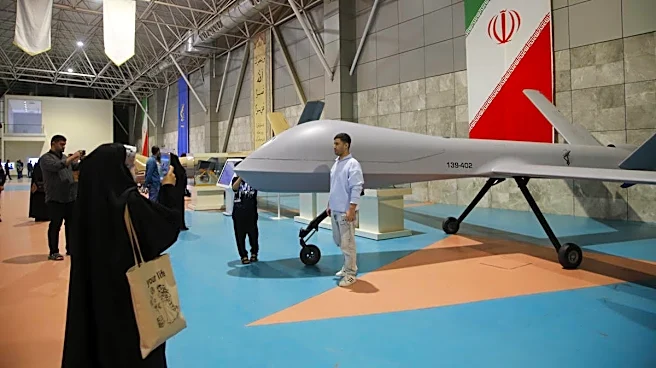
Eric Nuttall, a senior portfolio manager at Ninepoint Partners, has expressed concerns over the financial oil market's apparent apathy despite rising tensions with Iran. Nuttall points out that markets are confusing exports with production, and he believes
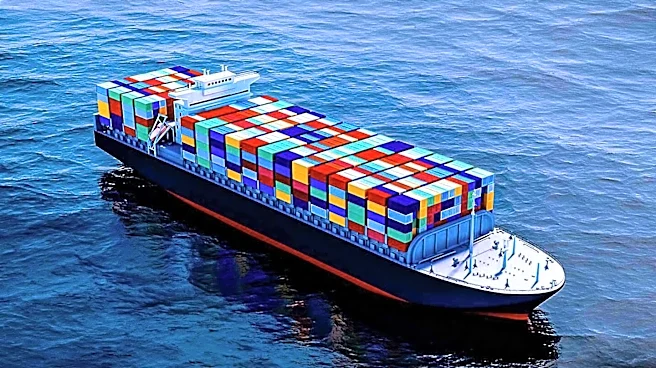
Iran's control over ship traffic through the Strait of Hormuz could have long-term impacts on oil flow. This situation could lead to significant disruptions in global oil supply, affecting prices and market stability.
Why It's Important?
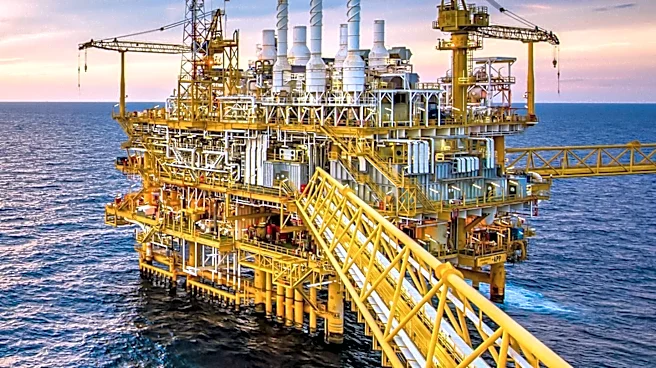
The Strait of Hormuz is a critical chokepoint for global oil transportation, and any disruption could lead to increased oil prices, impacting various sectors of the economy. Higher oil prices can lead to increased costs for transportation and goods, contributing to inflationary pressures. The market's current indifference to these risks could result in sudden volatility if the situation escalates, affecting investors and businesses reliant on stable oil prices.
What's Next?
Market participants will need to closely monitor geopolitical developments in the Middle East, particularly any actions by Iran that could affect oil transportation. Companies and investors may need to prepare for potential price fluctuations and consider strategies to hedge against oil market volatility. The response of major oil-producing nations and international organizations will also be crucial in determining the market's direction.