
What's Happening?
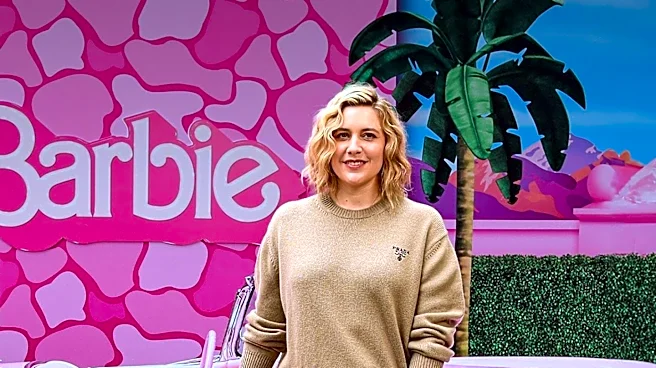
Director Greta Gerwig and her partner Noah Baumbach, who received an Oscar nomination for their work on the original 'Barbie' script, are reportedly developing plans for a sequel. This development comes amidst reports of stalled financial negotiations
for the second installment of the highly successful film. The original 'Barbie' movie, which earned over USD $1.4 billion at the box office, has faced challenges in securing its sequel due to disagreements over actor and creative team salaries. Margot Robbie, who starred in and produced the first film, reportedly earned USD $50 million. Warner Bros. is said to have made multiple offers for the sequel, but these have been rejected by the creative team, with some sources indicating that the figures offered were not considered 'historic.' Ryan Gosling, who played Ken, is allegedly seeking USD $20 million to reprise his role. The studio's CEO, David Zaslav, reportedly deemed some of the offers, particularly those concerning profit participation, too generous.
Why It's Important?
The reported financial disputes surrounding the 'Barbie' sequel highlight significant tensions within the film industry regarding talent compensation and studio profitability. This situation could set a precedent for future negotiations, particularly for highly successful franchises. If a resolution isn't reached, it could impact the production of other major films, potentially leading to delays or even cancellations of anticipated sequels. The outcome of these negotiations will be closely watched by actors, directors, writers, and studios, as it could influence how profit-sharing and upfront salaries are structured in future blockbuster deals. For consumers, a prolonged stalemate could mean a longer wait for, or even the absence of, a 'Barbie' sequel, impacting audience engagement with the franchise. The situation also underscores the power dynamics between creative talent and major studios in an era of high-grossing films.
What's Next?
A deal for the 'Barbie' sequel must be finalized before the film rights revert to toy manufacturer Mattel in December. This deadline adds urgency to the ongoing financial negotiations between Warner Bros. and the creative team, including Margot Robbie and Ryan Gosling. The studio will need to either increase its offers or find a compromise that satisfies the key talent involved. Failure to reach an agreement could result in the 'Barbie' franchise being unable to produce a sequel under the current creative leadership. Stakeholders, including fans and industry observers, will be monitoring whether Warner Bros. and the talent can bridge their financial differences to bring the highly anticipated sequel to fruition before the rights deadline.
Beyond the Headlines
The 'Barbie' sequel's financial impasse reflects broader industry discussions about fair compensation for talent, especially in an era where streaming services and global box office revenues are reshaping traditional film economics. The reported demands from actors and the creative team, following the immense success of the first film, underscore a growing push for a larger share of profits. This situation could lead to a re-evaluation of standard contract structures in Hollywood, potentially empowering talent to negotiate more favorable terms for future projects. It also raises questions about the long-term sustainability of blockbuster franchises if studios are perceived as unwilling to adequately compensate the individuals central to their success. The outcome could influence how intellectual property is valued and how creative contributions are rewarded across the entertainment landscape.