






What's Happening?
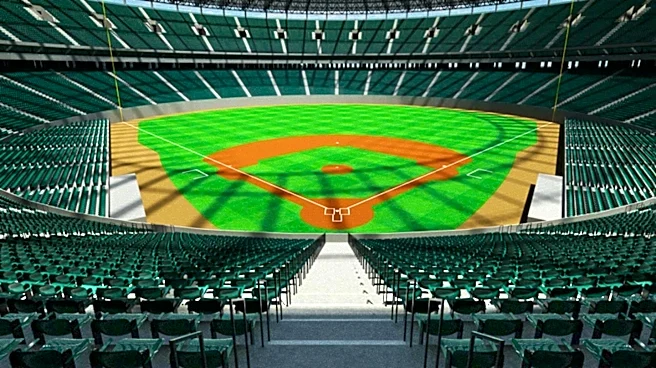
The Tampa City Council has approved an $80 million contribution towards a new $2.3 billion ballpark and redevelopment deal for the Tampa Bay Rays. The vote, which passed 4-3, marks a significant step forward after nearly two decades of failed stadium
proposals for the team. Council Members Alan Clendenin, Bill Carlson, Naya Young, and Luis Viera voted in favor, while Lynn Hurtak, Guido Maniscalco, and Charlie Miranda opposed it. The $80 million from Tampa will not directly fund the ballpark but will reimburse the city for public infrastructure built around the stadium, with repayment coming from future property-tax growth generated by the surrounding development. This financing structure differs from earlier proposals that would have relied on existing city revenue. The overall project envisions a 120-acre mixed-use district around Hillsborough College’s Dale Mabry campus, including housing, hotels, restaurants, and retail. The Rays are committing approximately $1.37 billion, and Hillsborough County is expected to contribute around $796 million, making Tampa's share the smallest of the three principal contributions.
Why It's Important?
This approval is crucial for the Tampa Bay Rays, providing a path toward securing a new home after numerous setbacks, including a failed waterfront ballpark in St. Petersburg, a collapsed Ybor City deal, and a rejected split season with Montreal. For Tampa, the deal is seen by supporters as more than just a stadium project; it represents a significant economic development opportunity. Proponents argue that the surrounding mixed-use development could attract billions in private investment, create construction and permanent jobs, expand the city's tax base, and provide new housing and educational opportunities. Council Member Naya Young emphasized that her support was driven by potential community impact, including living-wage jobs, affordable housing, and opportunities for local businesses. The project also offers Hillsborough College a chance to modernize its campus and create stronger ties between students, employers, and the team, potentially offering internships and apprenticeships. The financing structure, which ties repayment to new property-tax growth, aims to mitigate direct impact on current city revenues, addressing a key concern from previous proposals.
What's Next?
The stadium deal still faces further hurdles before it is finalized. The Hillsborough County Commissioners are scheduled to consider their much larger financial commitment of approximately $796 million. Even with county approval, several critical steps remain, including finalizing a Ballpark Operating Agreement and a Community Benefits Agreement, securing land-use approvals, and establishing the Community Development District (CDD) and Tax Increment Financing (TIF) structure. The Rays must also demonstrate that their private financing is in place, including team equity and credit commitments. Unresolved details, such as the final dollar commitment for the Community Benefits Agreement and future capital maintenance obligations, will need to be ironed out. Additionally, Tampa must act on related Community Redevelopment Agency (CRA) changes, including removing the Hillsborough College property from the Drew Park CRA and extending other CRAs. The outcome of the Hillsborough County vote will be the next major indicator of the project's viability.
Beyond the Headlines
The approval of the Rays stadium deal in Tampa highlights a broader trend in urban development where major sports franchises are leveraged as catalysts for large-scale mixed-use projects. This approach often involves complex public-private partnerships, where cities contribute to infrastructure in exchange for anticipated economic growth and revitalization. The debate surrounding such deals frequently touches on the balance between public investment and private gain, the equitable distribution of benefits, and the potential for gentrification. The emphasis on community benefits, such as affordable housing and local business opportunities, reflects increasing public demand for projects to address broader societal needs beyond just sports entertainment. The long history of failed stadium plans in the region also underscores the political and financial complexities involved in securing such large-scale developments, often requiring significant compromises and evolving financing models to gain public and political support. The success of this project will likely be measured not just by the stadium itself, but by the tangible community and economic benefits it delivers over the long term.