





What's Happening?
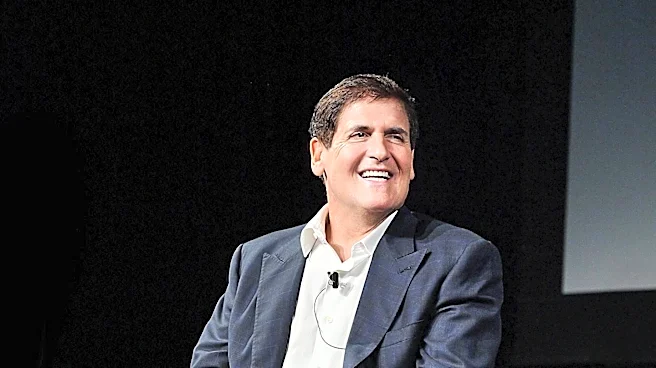
Larry Ellison, co-founder, chairman, and CTO of Oracle Corporation, has seen his net worth decrease by approximately $40 billion over the past three months, leading to his exit from the world's top ten richest people. This decline is primarily attributed
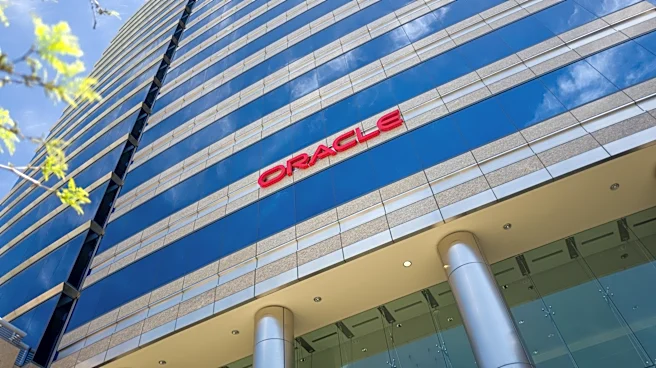
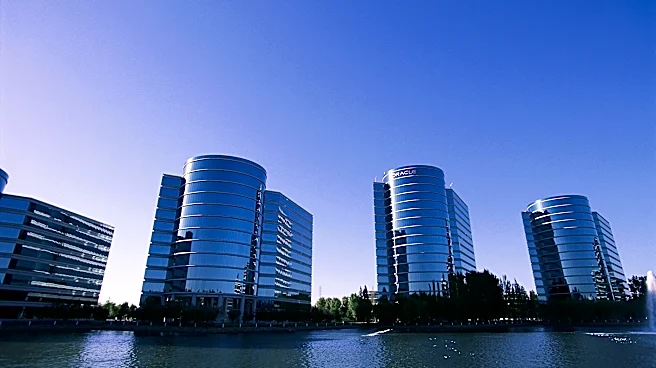
to a significant drop in Oracle's share price, which fell by 7.5% on November 20, reaching its lowest level since January 2024. Since the beginning of 2026, Oracle's share price has plummeted by 47%. Investors are expressing concern over Oracle's substantial investments in artificial intelligence infrastructure, including expanding cloud capabilities and building data centers. These projects require considerable capital expenditure and funding, with Oracle's capital expenditure in the 2026 financial year amounting to around $55.7 billion, resulting in a negative free cash flow of approximately $23.7 billion and an accumulated debt of about $125 billion.
Why It's Important?
The significant reduction in Larry Ellison's fortune and the sharp decline in Oracle's share price highlight a broader investor apprehension regarding the financial implications of large-scale AI investments within the technology sector. This situation underscores the tension between the perceived future growth potential of AI and the immediate financial strain of funding its infrastructure. For U.S. economic stakeholders, this trend could signal a re-evaluation of investment strategies in tech companies heavily committed to AI development, potentially leading to increased scrutiny of capital expenditure, debt levels, and the ability to convert these investments into sustainable cash flow. The fall in Oracle's shares, alongside other tech giants like Micron, AMD, Broadcom, and Nvidia, suggests a sector-wide correction, indicating that the market is becoming more cautious about the profitability and financial sustainability of AI-driven growth.
What's Next?
The future performance of Oracle's shares and, consequently, Larry Ellison's net worth, will largely depend on the company's ability to convincingly justify its extensive investments in AI. Investors will be closely monitoring how Oracle plans to convert its significant capital expenditures into sustainable cash flow and demonstrate a clear return on investment from its AI infrastructure projects. The broader technology sector may also face continued scrutiny regarding infrastructure costs and debt burdens, potentially leading to a more conservative approach to AI investments across the industry. Companies will likely need to provide clearer roadmaps for profitability and financial stability to reassure investors, especially as the market continues to correct and re-evaluate the long-term financial viability of current AI strategies.
Beyond the Headlines
The current market reaction to Oracle's AI spending reveals a critical shift in investor sentiment within the technology sector. While the promise of artificial intelligence remains high, the financial realities of its development and deployment are becoming a dominant concern. This situation could lead to a more disciplined approach to capital allocation in the tech industry, where companies might prioritize projects with clearer and more immediate paths to profitability over speculative, long-term AI ventures. Furthermore, it highlights the inherent risks associated with rapid technological expansion, where the initial excitement can sometimes overshadow the practical challenges of funding and execution. This could also influence public policy discussions around corporate debt and investment incentives for emerging technologies, potentially shaping future regulatory frameworks for the tech industry.