



What's Happening?
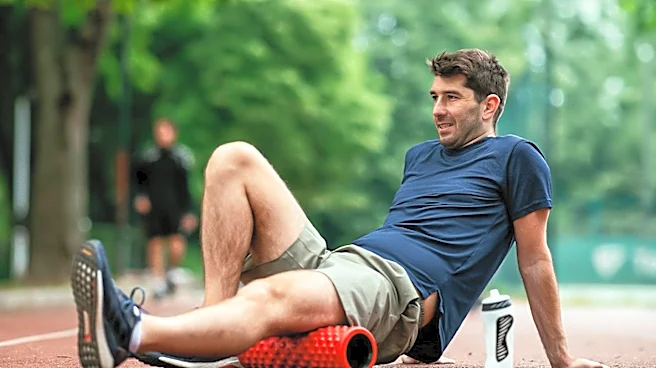
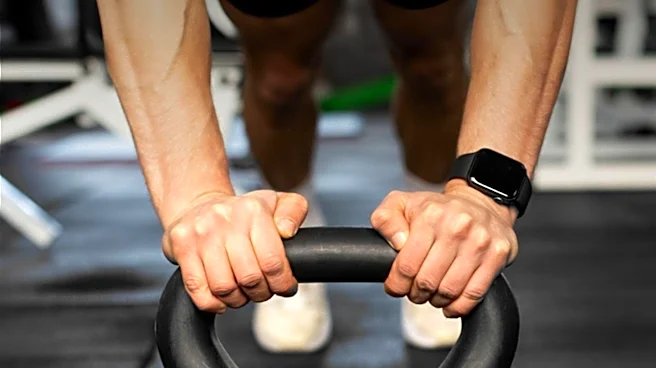
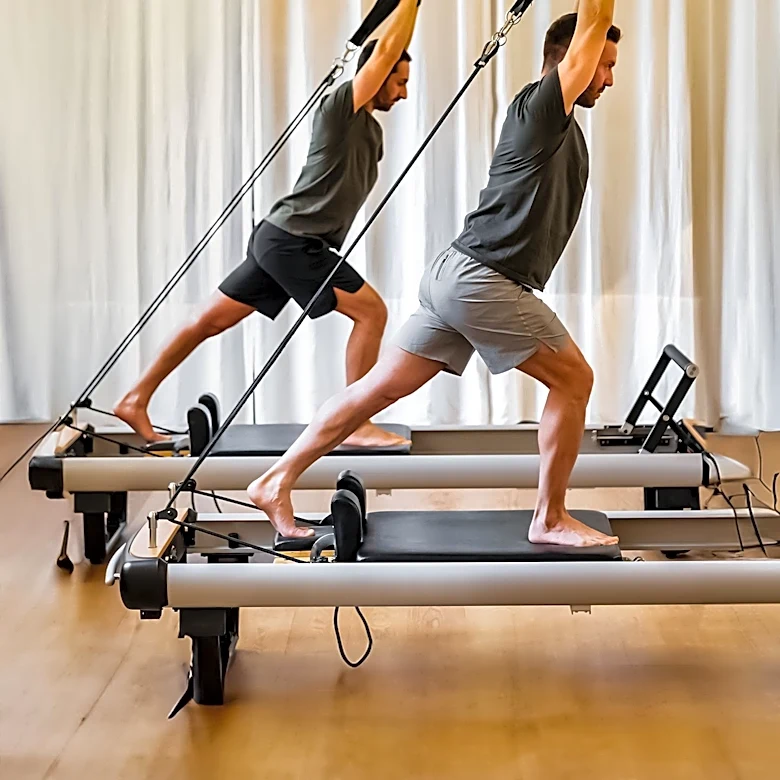
Active recovery, characterized by low-intensity movement, mobility work, and soft tissue work, is gaining prominence as a crucial component of athletic training and injury prevention. This approach promotes blood flow without imposing additional training stress,
helping to maintain muscle tissue, deliver essential nutrients for repair, and keep joints flexible. Unlike complete rest, active recovery involves gentle activities such as walking, light yoga, and dynamic stretches. For high school football players, in-season training should prioritize maintaining strength and conditioning rather than pursuing new gains, with active recovery playing a vital role in managing fatigue and reducing injury risk. The focus shifts from high-volume, heavy loads typical of the offseason to shorter, high-intent lifting sessions and restorative work after games. This strategy is particularly important in sports with high injury loads, like high school football, where overuse injuries are common. The goal is to ensure durability and consistent performance throughout the season.
Why It's Important?
The emphasis on active recovery is important for U.S. athletes, particularly in high-contact sports, as it directly impacts performance, injury rates, and long-term athletic development. By incorporating low-intensity activities, athletes can mitigate central nervous system fatigue, which can lead to slower reaction times and increased injury susceptibility. This approach helps athletes stay on the field, providing consistent performance that is crucial for college recruitment and overall team success. Overuse injuries, which account for a significant portion of sports injuries in young athletes, can be substantially reduced through consistent mobility and flexibility work. Furthermore, adequate sleep and hydration, often overlooked, are highlighted as critical performance tools that directly affect strength output, reaction time, and injury risk. This holistic view of athlete well-being, integrating active recovery with other recovery modalities, can lead to healthier, more resilient athletes and potentially reduce healthcare costs associated with sports injuries.
What's Next?
The continued integration of active recovery principles into athletic training programs is expected, with a focus on individualized plans tailored to specific sports and athlete needs. Coaches and athletic trainers will likely further refine in-season training schedules to balance strength maintenance with fatigue management, emphasizing the importance of pre-game tapering and post-game restorative work. Educational initiatives for athletes, parents, and coaches will be crucial to highlight the benefits of active recovery, proper sleep hygiene, and consistent hydration. Research into optimal active recovery protocols for different sports and age groups may also expand, leading to more evidence-based practices. The long-term trend will likely see a shift towards a more preventative and holistic approach to athlete care, moving beyond just training intensity to encompass comprehensive recovery strategies.
Beyond the Headlines
The growing recognition of active recovery extends beyond immediate athletic performance, touching upon broader societal implications regarding health and wellness. It underscores a shift in understanding the body's recovery process, moving away from the traditional 'rest equals inactivity' mindset. This paradigm shift could influence general fitness recommendations, promoting low-impact activities for overall well-being and injury prevention in the wider population. Ethically, it highlights the responsibility of sports organizations and coaches to prioritize athlete health and longevity over short-term performance gains. Culturally, it may foster a greater appreciation for mindful movement and self-care as integral components of a healthy lifestyle, potentially reducing the prevalence of burnout and chronic injuries in both competitive and recreational sports. The emphasis on sleep and hydration also points to a more integrated approach to health, where various lifestyle factors are recognized as interconnected and crucial for optimal physical and mental function.