



What's Happening?
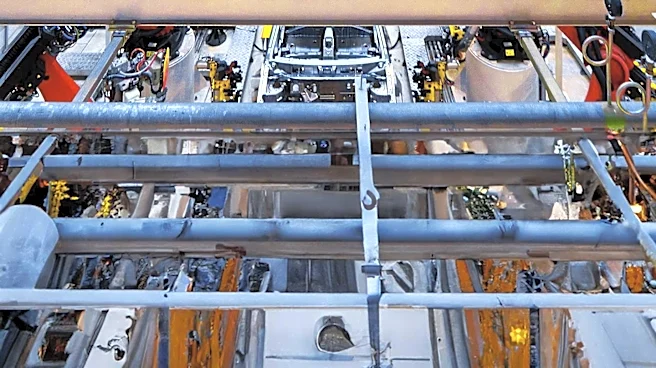
Algoma Steel has finalized a $145 million insurance settlement following the collapse of a structural corridor at its coke-making plant in January 2024. The collapse, which disrupted operations and led to a three-week production halt, was initially estimated
to cost $100 million. The settlement, which is significantly higher than initial estimates, covers the damages and operational losses incurred. The incident did not result in any injuries, but it caused significant operational challenges, including a chilled hearth in the blast furnace, leading to a loss of approximately 150,000 tons of hot metal production. The company has since been working on ramping up production with its electric arc furnace (EAF) facility.
Why It's Important?
The settlement is crucial for Algoma Steel as it provides financial relief and supports the company's recovery efforts following the structural collapse. The incident highlighted the vulnerabilities in industrial infrastructure and the importance of robust safety and maintenance protocols. The successful settlement also underscores the role of insurance in mitigating financial risks associated with industrial accidents. As Algoma Steel continues to transition to electric arc furnace technology, the settlement will aid in stabilizing operations and maintaining production levels. This development is significant for the steel industry, as it reflects ongoing efforts to modernize facilities and reduce carbon emissions, aligning with broader environmental goals.
What's Next?
Algoma Steel is expected to complete the construction of its second electric arc furnace by the third quarter of 2026, which will further enhance its production capabilities. The company anticipates that the transition to EAF technology will reduce its carbon emissions by approximately 70% from pre-EAF levels. This shift is part of a broader industry trend towards more sustainable steel production methods. As the company ramps up its EAF operations, it aims to meet the growing demand for steel in infrastructure, construction, and defense sectors. The successful implementation of these changes will position Algoma Steel as a leader in sustainable steel production.