



What's Happening?
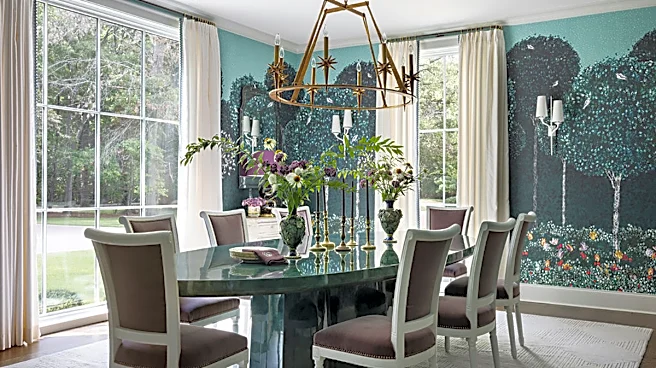
Cluttercore is emerging as a significant design trend, reshaping the understanding of maximalism by focusing on curated collections and personal history rather than chaotic accumulation. This approach encourages layering, experimentation, and personal expression
within living spaces, moving away from minimalist aesthetics. Pinterest reports a substantial increase in searches for 'eclectic maximalism' and 'vintage maximalism,' indicating a growing interest in this style. Designers emphasize that cluttercore is about intentionality, carefully balancing variety, scale, and texture to make a room feel welcoming and lived-in, with each item thoughtfully placed. The goal is to create spaces that reflect real lives and stories, prioritizing authenticity and emotional resonance.
Why It's Important?
This shift in design philosophy reflects a broader cultural movement towards authenticity and personal expression in home environments. The rise of cluttercore suggests a consumer desire for spaces that tell a story and evoke comfort, contrasting with the often impersonal nature of minimalist trends. For the interior design industry, this means a renewed focus on bespoke solutions and personalized curation, potentially boosting demand for vintage items, artisanal goods, and custom-designed elements. Homeowners stand to gain by creating more meaningful and inviting spaces, while businesses catering to home decor, antiques, and personalized items may see increased interest. The trend also highlights the evolving role of social media platforms like Pinterest in shaping and popularizing design aesthetics, influencing consumer choices and market trends.
What's Next?
As cluttercore gains traction, designers anticipate further integration of this aesthetic into mainstream home decor. Consumers are encouraged to start experimenting with smaller sections of their homes, such as a fireplace mantle, to gradually build a curated maximalist look. The emphasis will remain on intentionality, ensuring that collections are meaningful and contribute to a cohesive, layered environment. Expect to see more design resources and guides focusing on how to achieve this look without veering into disorganization. The trend may also influence product development in home furnishings, with a greater demand for unique, character-rich pieces that support a personalized aesthetic. The continued popularity of 'mix and maximalist' themes on platforms like Pinterest suggests sustained growth and evolution of this design movement.
Beyond the Headlines
The embrace of cluttercore extends beyond mere aesthetics, touching upon deeper psychological and cultural implications. In an increasingly digital and often impersonal world, the desire to surround oneself with tangible objects that hold personal meaning can be seen as a form of grounding and self-expression. This trend challenges the notion that tidiness equates to well-being, instead suggesting that a thoughtfully 'cluttered' space can foster peace and relaxation by providing a constant connection to one's memories and passions. Ethically, it promotes sustainable consumption by valuing existing items and vintage finds over constant acquisition of new, mass-produced goods. Culturally, it signifies a rejection of rigid design norms, advocating for a more fluid and personal approach to living spaces that celebrates individuality and the stories embedded within our possessions.