
What's Happening?
Eric Pasi, CEO and co-founder of Minneapolis-based Enterprise Energy, anticipates significant growth in Minnesota's renewable energy sector, particularly in solar and battery storage. Pasi, who has been
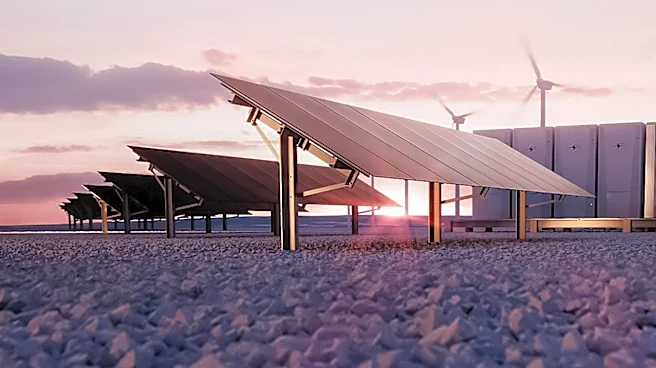
involved in the renewable energy space since 2007, founded Enterprise Energy to address financing and development challenges in clean energy. Minnesota currently ranks second nationally per capita for community solar development, a program that began with the 2013 Solar Jobs Act. This act established an uncapped community solar program, allowing broader access to clean energy for those unable to install solar panels on their own properties. The program has evolved, with recent modernizations in 2023 aimed at benefiting low- and moderate-income Minnesotans. Enterprise Energy has been a market leader in approved projects for 2025. Looking ahead, Pasi highlights battery energy storage as the next major focus to complement the increasing penetration of wind and solar, helping to balance energy production with peak demand. Xcel Energy and Sparkfund are already developing a 200-megawatt distributed battery storage program, with potential for expansion to include third-party developers like Enterprise Energy.
Why It's Important?
The continued growth of Minnesota's solar and battery storage sectors, as highlighted by Enterprise Energy CEO Eric Pasi, signifies a crucial step towards energy independence and climate change mitigation in the U.S. Minnesota's community solar program serves as a national model, demonstrating how states can effectively increase access to clean energy for diverse populations, including those with limited capital or unsuitable properties for rooftop solar. This model's success, now being emulated by states like New York, underscores the potential for widespread adoption of community-based renewable energy initiatives. The shift towards battery storage is particularly vital as it addresses the intermittency of renewable sources, ensuring a more reliable and stable energy grid. This development creates opportunities for new businesses and job growth in the clean energy sector, while also potentially reducing energy costs for consumers through bill credits. Furthermore, the bipartisan political appetite for renewed solar incentives suggests a broader recognition of the economic and environmental benefits of clean energy, which could drive further investment and innovation across the nation.
What's Next?
The immediate future for Minnesota's clean energy sector involves the potential expansion of utility-led battery storage programs and a push for renewed solar incentives. Xcel Energy is reportedly interested in expanding its 200-megawatt distributed battery program, which could open doors for third-party developers like Enterprise Energy to identify and develop new battery sites. This expansion is supported by existing battery incentives that are valid through 2032. Additionally, there is a growing political consensus, extending beyond traditional party lines, to reintroduce incentives for solar development. While the specifics and timing remain uncertain, this bipartisan interest suggests that new legislative efforts to support solar growth could emerge. Enterprise Energy plans to continue its focus on growing its business, potentially exploring a second edition of CEO Eric Pasi's book, 'CleanWave: A Guide to Success in the Green Recovery,' in 2027 or 2028, reflecting ongoing developments in the industry.
Beyond the Headlines
The trajectory of Minnesota's clean energy market, as detailed by Eric Pasi, points to a broader national trend of decentralization and diversification in energy production. The success of community solar gardens challenges the traditional centralized utility model, empowering individuals and communities to participate directly in renewable energy generation. This shift has profound implications for energy equity, allowing a wider demographic to benefit from clean energy, not just those who can afford private installations. The increasing focus on battery storage also highlights a critical evolution in energy infrastructure, moving beyond mere generation to efficient storage and distribution. This technological advancement is essential for grid resilience and could pave the way for more sophisticated smart grids. Furthermore, the political landscape, with bipartisan calls for solar incentives, suggests a growing recognition of clean energy as an economic driver and a strategic national asset, rather than solely an environmental concern. This could lead to more stable and long-term policy frameworks that foster sustained growth and innovation in the U.S. renewable energy sector.