





What's Happening?
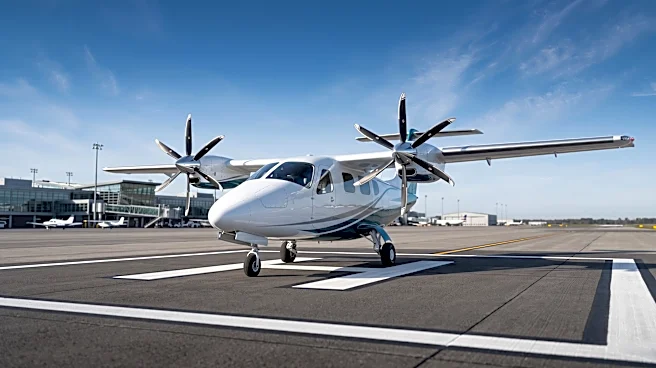
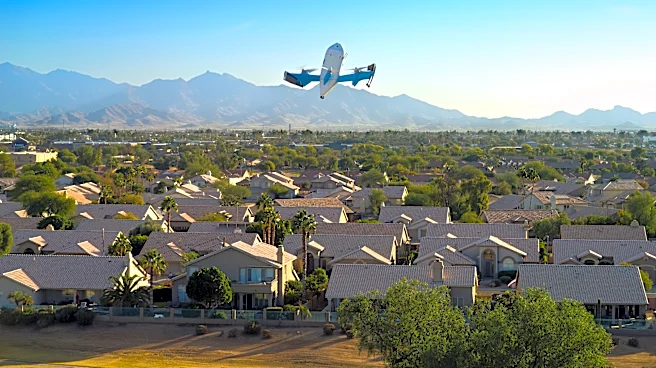
Textron Aviation and autonomy company Merlin have introduced a concept for a cockpit-free Cessna freighter, the SkyCourier UX, designed to transport heavy cargo without a pilot. This aircraft aims to facilitate deliveries to remote and rugged locations
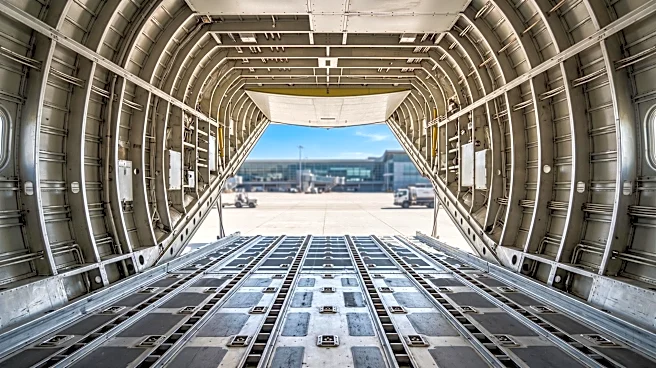
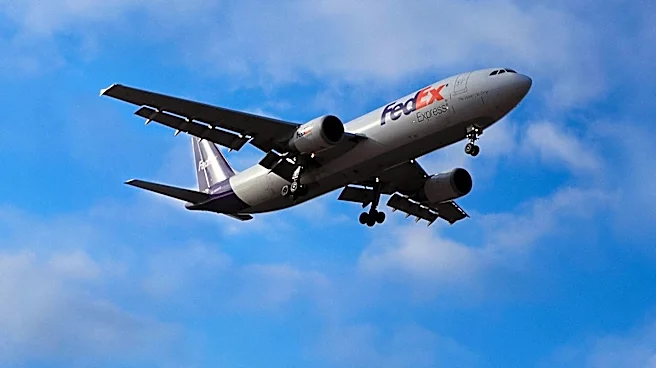
more efficiently. The concept was highlighted by Interesting Engineering on Instagram, detailing a cargo plane that would utilize Merlin's autonomy software for flight control. The SkyCourier UX is based on the FAA-certified Cessna SkyCourier turboprop, a model that FedEx helped design. In theory, this autonomous freighter could carry approximately 6,000 pounds of freight, equivalent to three LD3 containers, to challenging frontline airstrips. As of now, the SkyCourier UX remains a conceptual design, with no specific flight test dates or production timelines announced. The development strategy involves adapting an existing aircraft with regulatory credibility, which could streamline the progress compared to developing an entirely new autonomous cargo system from scratch.
Why It's Important?
The development of a cockpit-free Cessna freighter by Textron Aviation and Merlin holds significant implications for logistics and supply chains, particularly in the U.S. and globally. Such technology could lead to more resilient delivery systems, especially for areas with limited infrastructure or during emergencies. By enabling faster and more dependable shipping to remote regions, it could ensure steadier store inventories, quicker access to replacement parts, and more reliable delivery of essential goods after disasters. This innovation could transform how critical supplies reach underserved communities, enhancing overall logistical efficiency and responsiveness. The ability to operate from rough airstrips expands the reach of air cargo services, potentially benefiting industries that rely on timely deliveries to remote sites, such as mining, construction, and humanitarian aid. Furthermore, it could reduce operational costs associated with pilots and potentially increase cargo capacity, offering economic advantages to businesses and consumers.
What's Next?
The immediate next steps for the cockpit-free Cessna freighter concept involve extensive flight testing, rigorous safety validation, and comprehensive regulatory review. These processes will be crucial in determining whether the SkyCourier UX transitions from a concept to an operational part of the next generation of cargo aviation. Major hurdles include gaining public trust in autonomous flight technology and securing necessary certifications from aviation authorities. The companies will need to demonstrate the aircraft's reliability and safety under various conditions, especially given its intended use in challenging environments. If successful, the technology could pave the way for broader adoption of autonomous cargo aircraft, potentially influencing future regulations and industry standards for pilotless operations. The progress of this concept will also likely inform the development of other autonomous and unconventional aircraft for freight and aviation roles.
Beyond the Headlines
The introduction of a cockpit-free Cessna freighter by Textron and Merlin touches upon deeper implications beyond immediate logistical benefits. Ethically, the shift to autonomous cargo planes raises questions about job displacement for pilots and the evolving role of human oversight in aviation. Legally, it necessitates the development of new regulatory frameworks and liability standards for autonomous aircraft operations, which could be complex given the international nature of air cargo. Culturally, public acceptance of pilotless aircraft, particularly for cargo, will be a significant factor, potentially influencing the pace of adoption. This development also signifies a long-term shift towards increased automation in industries, pushing the boundaries of what is considered feasible and safe in transportation. The success of such initiatives could accelerate the integration of artificial intelligence and advanced robotics into critical infrastructure, prompting broader societal discussions about human-machine collaboration and the future of work.