







What's Happening?
In June 2026, the U.S. experienced the largest single-month drop in consumer prices in six years, driven by decreases in clothing, medical care, and transportation costs, alongside a significant fall in energy prices. According to the Bureau of Labor
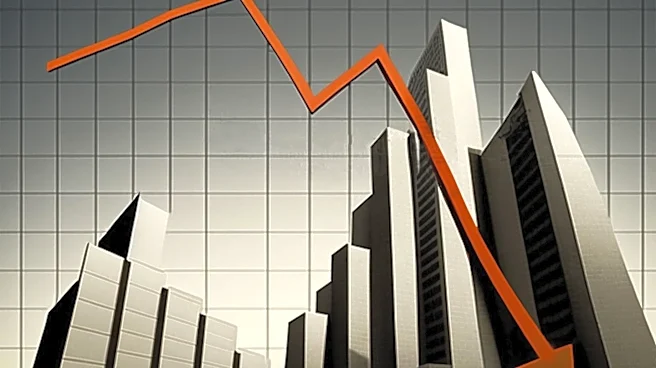
Statistics, consumer costs decreased by 0.4% in June after a 0.5% rise in May. This decline is largely attributed to a 5.7% drop in the energy index, the most substantial since April 2020. Despite this, energy costs have risen by 15.7% over the past year, and overall inflation remains 3.5% higher than a year ago, exceeding the Federal Reserve's 2% target. The report highlights that while some prices, like eggs and tomatoes, have decreased, others, such as milk and ground beef, have reached record highs due to supply chain issues and increased demand.
Why It's Important?
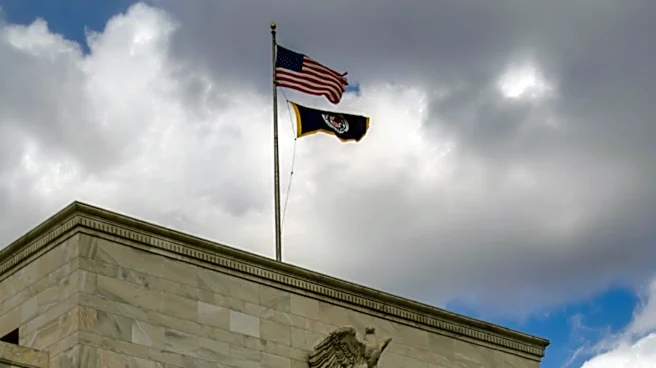
The decline in consumer prices is significant as it suggests a potential easing of inflationary pressures that have been persistent in the U.S. economy. However, the continued high cost of energy and other essentials indicates that inflation remains a concern. The Federal Reserve's target of 2% inflation is still unmet, which could influence future monetary policy decisions, including potential interest rate adjustments. The mixed price trends across different goods reflect ongoing supply chain challenges and geopolitical tensions, such as the conflict in the Middle East affecting oil prices. These factors impact household budgets and could influence consumer spending patterns, which are critical for economic growth.
What's Next?
Future developments in consumer prices will likely depend on geopolitical stability, particularly in the Middle East, and domestic supply chain improvements. The Federal Reserve may consider further interest rate hikes if inflation does not align with its targets. Additionally, the U.S. government and businesses might explore strategies to stabilize supply chains and reduce dependency on volatile energy markets. Monitoring these economic indicators will be crucial for policymakers and businesses to navigate the current economic landscape.