







What's Happening?
The food and beverage industry in the U.S. is increasingly prioritizing 'mouthfeel,' the oral sensation of food, alongside flavor to satisfy consumer cravings for diverse textures. Industry experts note that while consumers often describe taste, they
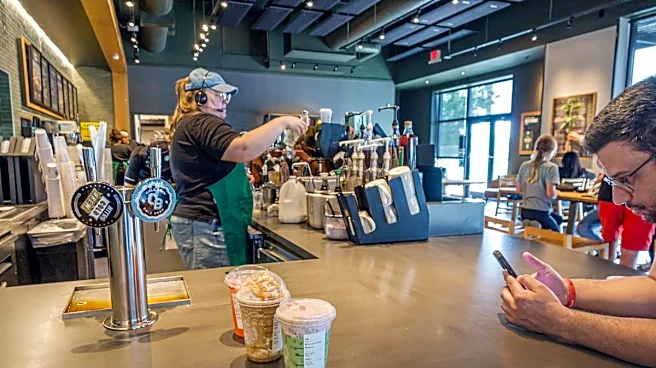
are frequently referring to texture, which significantly influences their perception of food quality. This trend has led to the development of new products designed specifically for their textural properties, such as Starbucks’ Aerocano (an air-whipped iced espresso), PowerCrunch (a wafer-like protein bar), and Trolli Gummi Pops (frozen yet soft and chewy candies). Companies are also innovating to maintain familiar textures while making products healthier or more affordable, for example, using additives to keep reduced-sugar yogurt creamy. The interest in texture has been amplified by social media and the pandemic, which temporarily affected taste and smell for many.
Why It's Important?
This shift in focus within the food industry has significant implications for U.S. consumers and businesses. For consumers, it means a wider array of products offering novel and satisfying sensory experiences, potentially enhancing enjoyment and engagement with food. For businesses, it represents a new frontier for innovation and differentiation in a highly competitive market. Companies that successfully integrate desirable textures into their products can gain a competitive edge, attract new customers, and increase market share. This trend also impacts ingredient suppliers, who are developing new additives and technologies to meet the demand for specific mouthfeel characteristics. Furthermore, the rise of meal delivery services necessitates innovations in packaging and food preparation to ensure products retain their intended texture during transit, posing both challenges and opportunities for the restaurant and food service sectors.
What's Next?
The food industry is expected to continue exploring and innovating in the realm of texture. Experts anticipate further development of multi-layered snack foods and products tailored to the textural needs of different demographics, such as older populations. Ingredient providers will likely introduce more advanced solutions to help food manufacturers achieve desired textures while addressing health and cost considerations. There will also be a push for clearer communication of textural properties on product packaging, as market research indicates a gap between consumer interest in texture and its explicit labeling. The ongoing evolution of food delivery services will drive further research into maintaining food quality and texture during transportation. This sustained focus on mouthfeel is poised to reshape product development, marketing strategies, and consumer expectations across the U.S. food landscape.
Beyond the Headlines
The emphasis on mouthfeel reflects a broader cultural shift towards a more holistic and experiential approach to food. Beyond basic sustenance, consumers are seeking sensory engagement and indulgence, turning eating into a multi-dimensional experience. This trend is intertwined with the rise of social media, where visually and texturally appealing foods often go viral, influencing consumer preferences and purchasing decisions. The pandemic, by temporarily altering sensory perceptions for many, further highlighted the importance of texture in the overall enjoyment of food. This focus on sensory attributes also touches upon psychological aspects of eating, where specific textures can evoke comfort, excitement, or satisfaction. Ultimately, the industry's response to the demand for diverse mouthfeels underscores a deeper understanding of consumer psychology and the evolving role of food in modern life.