




What's Happening?
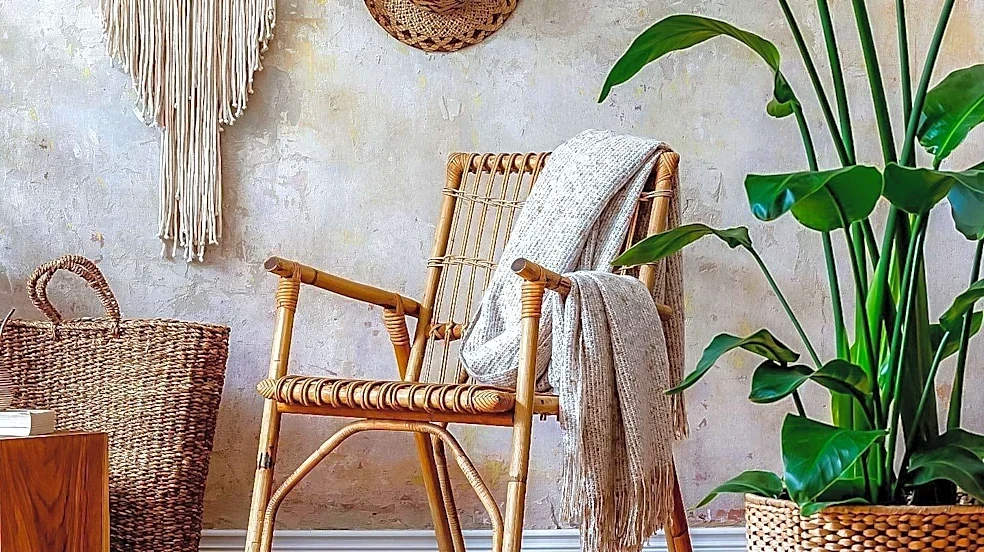
The rustic aesthetic is characterized by the incorporation of natural materials such as wood and leather, often featuring vintage items that display wear and tear. This design approach frequently utilizes repurposed objects, seasonal decorations, and handmade
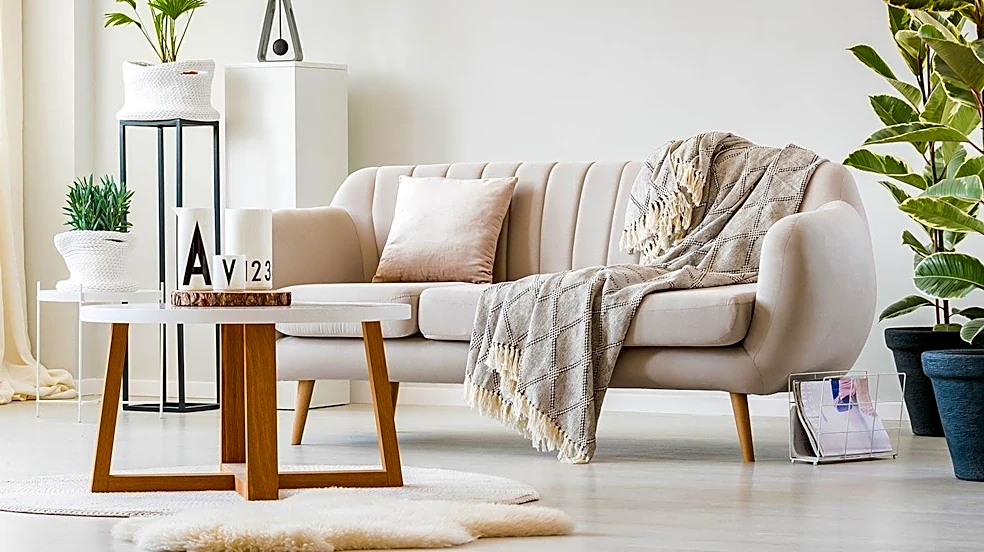
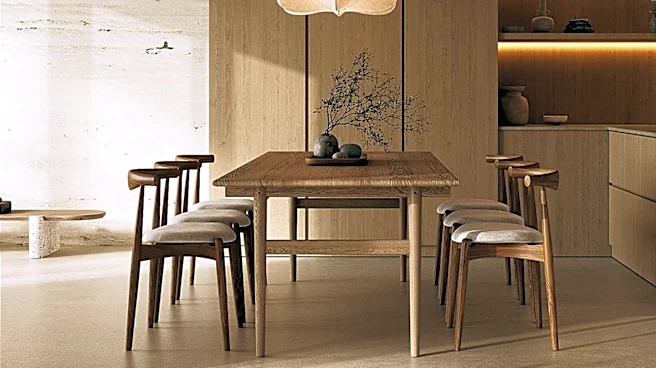
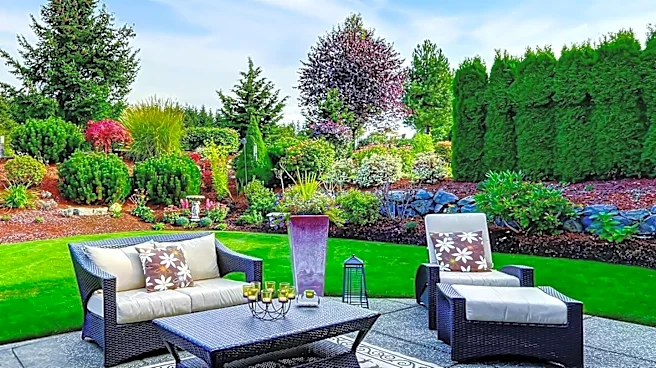
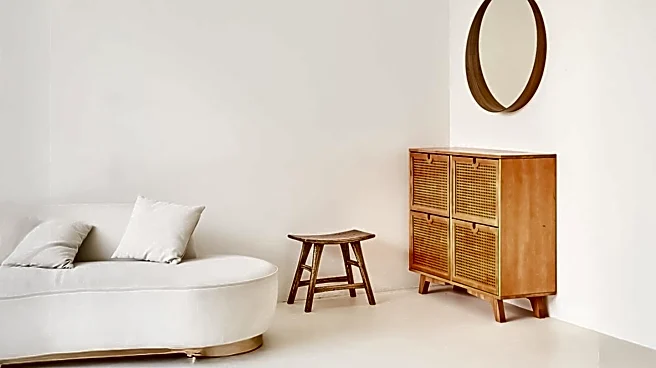
elements to create a distinct look. For instance, front doors can be adorned with old seasonal decor, wreaths, and DIY projects like pizza pan signs to enhance rustic charm. In kitchen settings, the rustic style is achieved through the use of warm colors, natural stone, and vintage-inspired tiles. Garden decor embracing this aesthetic often includes weathered wood, rusted metal, and chipped terracotta. Living rooms can adopt a rustic chic style with off-whites, woods, and florals, alongside repurposed items, or a modern rustic look that minimally uses rich leathers, knotted woods, and industrial metals.
Why It's Important?
The growing popularity of the rustic aesthetic reflects a broader societal trend towards sustainability and a desire for authenticity in home design. This emphasis on natural and repurposed materials can influence consumer choices in furniture, decor, and home improvement, potentially boosting demand for artisanal crafts and reclaimed goods. For industries, this trend encourages manufacturers to produce items that align with rustic principles, such as furniture made from reclaimed wood or decor with a handcrafted appearance. It also impacts the real estate market, as homes featuring well-executed rustic designs may appeal to a specific segment of buyers seeking warmth and character. The aesthetic's focus on durability and timelessness could also lead to a shift away from fast-furniture consumption, promoting more thoughtful and long-lasting investments in home furnishings.
What's Next?
As the rustic aesthetic continues to evolve, designers and retailers are likely to explore new interpretations and combinations with other styles. We may see an increased integration of smart home technology seamlessly blended into rustic environments, maintaining the natural feel while offering modern conveniences. There could also be a surge in workshops and DIY resources dedicated to creating rustic decor, empowering individuals to personalize their spaces with handmade items. Furthermore, the demand for ethically sourced and sustainable materials within the rustic design framework is expected to grow, pushing suppliers to meet these environmental standards. This could lead to innovations in material science, developing new eco-friendly options that mimic natural textures and appearances, further solidifying the rustic aesthetic's place in contemporary design.
Beyond the Headlines
The rustic aesthetic taps into a deeper cultural yearning for connection to nature and a simpler way of life, offering a counterpoint to the increasingly digital and fast-paced modern world. Ethically, the use of repurposed and reclaimed materials aligns with principles of environmental stewardship, reducing waste and promoting circular economy practices. This design philosophy can also foster a sense of nostalgia and comfort, creating spaces that feel grounded and inviting. The emphasis on handmade elements and unique imperfections challenges the uniformity often found in mass-produced goods, celebrating individuality and craftsmanship. This cultural shift towards valuing authenticity and sustainability in home environments could influence broader consumer behavior, encouraging more conscious consumption and a greater appreciation for the stories behind the objects we choose to live with.