







What's Happening?
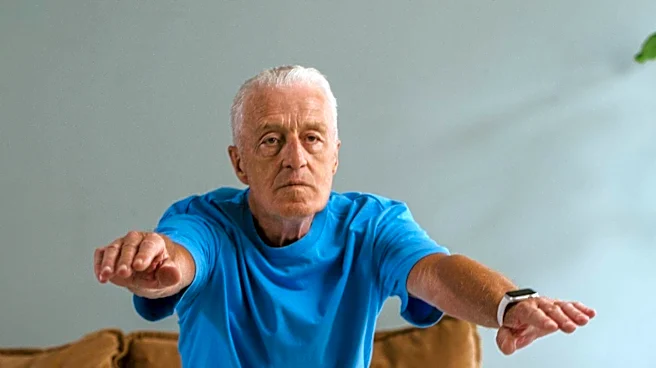
Experts are advocating for a holistic approach to fitness as individuals age, emphasizing that well-being extends beyond just physical exercise to include mental and emotional health. Dr. Bill Dorfman, a 64-year-old cosmetic dentist, attributes his youthful
appearance and overall health to a daily workout regimen combined with mental and social engagement. Key habits recommended for a longer, healthier life include regular physical activity, striving for mental fitness through activities like reading and puzzles, maintaining social connections, and developing good sleep hygiene. This comprehensive view aims to address the various factors that contribute to aging well, from preventing physical injuries and cognitive decline to combating loneliness.
Why It's Important?
This holistic perspective on aging is crucial for U.S. society, particularly given the increasing longevity and the challenges associated with an aging population. By integrating physical, mental, and social fitness, individuals can proactively mitigate common age-related issues such as muscle loss, cognitive decline, and social isolation. The U.S. Surgeon General has already warned about a loneliness epidemic, highlighting its negative health impacts, which can be as detrimental as smoking. Promoting social engagement, alongside physical and mental exercises, can lead to a higher quality of life, reduced healthcare costs, and a more engaged senior population. This approach empowers individuals to take control of their aging process, fostering independence and overall well-being.
What's Next?
The emphasis on holistic fitness suggests a future where wellness programs and healthcare strategies will increasingly integrate mental and social components alongside physical activity. This could lead to the development of more comprehensive community programs for older adults, focusing on group exercises, cognitive stimulation activities, and social gatherings. Technology, such as AI-powered social companions, may also play a larger role in addressing loneliness among aging adults. Healthcare providers might incorporate assessments of mental and social well-being into routine check-ups, offering personalized recommendations for maintaining overall fitness. Educational campaigns are likely to promote these four key habits—exercise, mental stimulation, social connection, and sleep hygiene—as essential for healthy aging.
Beyond the Headlines
The shift towards a holistic view of aging has deeper implications for how society perceives and supports its older members. It challenges the traditional, often fragmented, approach to health by recognizing the interconnectedness of physical, mental, and social well-being. This perspective could lead to a re-evaluation of retirement lifestyles, encouraging continued engagement and purpose rather than disengagement. Ethically, it underscores the responsibility of communities and families to foster environments that support these multifaceted aspects of health. Culturally, it may promote a more positive narrative around aging, viewing it not as a period of decline but as an opportunity for continued growth and fulfillment through sustained healthy habits.