


What's Happening?
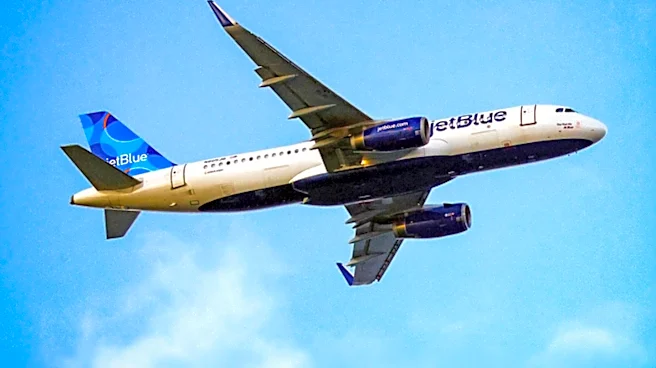
JetBlue is distinguishing itself in the transatlantic economy class market by offering a premium experience that includes enhanced food and beverage services, advanced in-flight technology, and comfortable aircraft. The airline partners with NYC-based
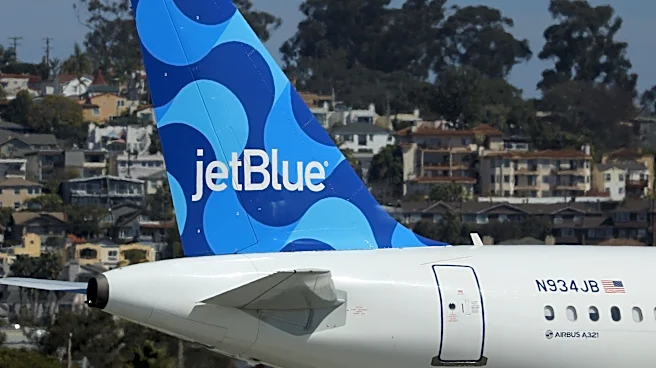
Dig Inn for its economy-class meals, providing fresh and flavorful options that deviate from typical reheated airline food. Passengers can also enjoy a self-serve snack pantry stocked with various items. Technologically, JetBlue provides fast, free in-flight Wi-Fi for all passengers, a feature not consistently offered by other carriers. The in-flight entertainment system allows for meal customization and personalization, such as continuing movies from previous flights. Additionally, JetBlue's Airbus A321LR aircraft are noted for comfortable seating with a standard 32 inches of pitch in Core (economy) seats and a reasonable lavatory-to-passenger ratio. These efforts aim to elevate the economy travel experience, making it more comparable to premium offerings.
Why It's Important?
This strategic focus by JetBlue on enhancing the economy class experience is significant for the airline industry and consumers. By offering amenities like complimentary Wi-Fi, high-quality meals, and comfortable seating in economy, JetBlue challenges the traditional perception of budget transatlantic travel. This approach could pressure other airlines to improve their economy offerings to remain competitive, potentially leading to a better overall travel experience for a wider range of passengers. For consumers, it means access to more value-driven options for international travel without necessarily upgrading to business or first class. This move also highlights a growing trend where airlines are recognizing the importance of passenger comfort and satisfaction across all cabin classes, not just premium ones, to build brand loyalty and attract a broader customer base in a highly competitive market.
What's Next?
JetBlue's continued investment in its transatlantic economy product suggests a sustained effort to capture a larger share of the international travel market. Other airlines may observe JetBlue's success in this segment and consider similar upgrades to their own economy offerings, potentially leading to an industry-wide improvement in budget international travel. Passengers can anticipate JetBlue to maintain or further enhance these services, possibly expanding its European destinations or introducing new in-flight features. The airline's commitment to providing a premium economy experience could also influence future aircraft configurations and service standards across the industry, as competitors strive to match or exceed these new benchmarks. This could result in a more competitive landscape where passenger experience, even in economy, becomes a key differentiator.
Beyond the Headlines
JetBlue's strategy reflects a broader shift in consumer expectations and airline competition. In an era where travelers are increasingly seeking value and quality, even in economy class, airlines that prioritize passenger comfort and convenience across all tiers are likely to gain a competitive edge. This move by JetBlue could also signal a re-evaluation of the traditional airline business model, where the focus was heavily skewed towards premium cabins for profitability. By demonstrating that a superior economy experience can be both feasible and profitable, JetBlue might inspire a more holistic approach to customer service in the aviation industry. This could lead to long-term benefits for travelers, fostering an environment where airlines are incentivized to innovate and improve services for all passengers, not just those in the front of the plane.