





What's Happening?
Uber is expanding its mobility offerings by integrating Zipcar rentals directly into its app, allowing users to book hourly or daily car rentals without needing a separate Zipcar membership. This new feature is designed for short-term needs, ranging from
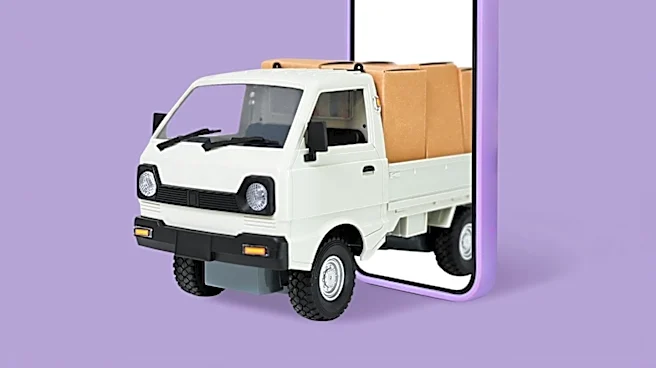
one hour to 14 days, and bookings can be made as little as an hour in advance. Users can find available Zipcars nearby through the 'Rent' section of the Uber app, complete identity verification, and pay within the app. Gas is included in the rental. Initially, this service will be available in select U.S. and Canadian markets, including major cities like Atlanta, Boston, Chicago, and Los Angeles. Additionally, Uber is expanding its rental car delivery service to Nashville and Jacksonville, where an Uber driver delivers the rental vehicle to the customer's specified location and picks it up at the end of the rental period.
Why It's Important?
This strategic move by Uber is significant as it aims to become a comprehensive 'one-stop shop' for diverse travel needs, moving beyond traditional rideshare services. By integrating Zipcar, Uber taps into the growing demand for flexible, short-term car rentals, catering to users who need a vehicle for errands, day trips, or when a full-day rental is excessive. This expansion enhances convenience for travelers and urban dwellers by eliminating the need for separate memberships and streamlining the booking process. For Uber, it represents a diversification of revenue streams and strengthens its competitive position in the broader mobility market. The expansion of rental car delivery further adds to customer convenience, reducing the friction associated with traditional car rental pick-ups and drop-offs. This initiative could reshape urban transportation habits, offering more alternatives to personal car ownership and traditional rental models.
What's Next?
Uber will likely monitor the adoption and success of the Zipcar integration in its initial markets, potentially expanding the service to more cities in the U.S. and Canada. The company will also be evaluating customer feedback regarding pricing, vehicle availability, and the overall user experience. Further enhancements could include offering one-way rentals, allowing users to pick up a car in one location and leave it in another, which would significantly increase the service's utility for travelers. Uber One members already receive a 10% cashback on Uber Rent bookings, including Zipcar, and more promotional offers may be introduced to encourage usage. The expansion of rental car delivery will also be assessed for efficiency and customer satisfaction, potentially leading to its rollout in additional cities. This continuous evolution aims to solidify Uber's position as a versatile mobility platform.
Beyond the Headlines
The integration of Zipcar into the Uber app signifies a broader trend in the transportation industry towards multimodal platforms that offer a spectrum of mobility solutions. This move blurs the lines between ridesharing, car-sharing, and traditional car rentals, reflecting a consumer preference for convenience and flexibility. It also highlights the increasing importance of digital ecosystems where users can access multiple services through a single application. From an environmental perspective, promoting hourly car rentals could potentially reduce the need for individual car ownership in urban areas, contributing to lower carbon emissions and reduced traffic congestion. However, it also raises questions about the impact on traditional car rental companies and the long-term sustainability of such diverse offerings within a single platform. The success of this model could influence urban planning and infrastructure development, encouraging cities to support a wider array of shared mobility options.