







What's Happening?
Prebiotic sodas, such as Poppi and Olipop, have seen a surge in popularity driven by increased consumer interest in gut health and the importance of fiber, as well as their positioning as lower-sugar alternatives to traditional sodas. These beverages
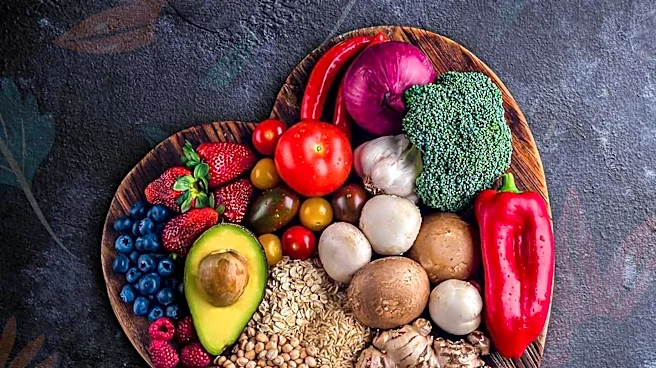
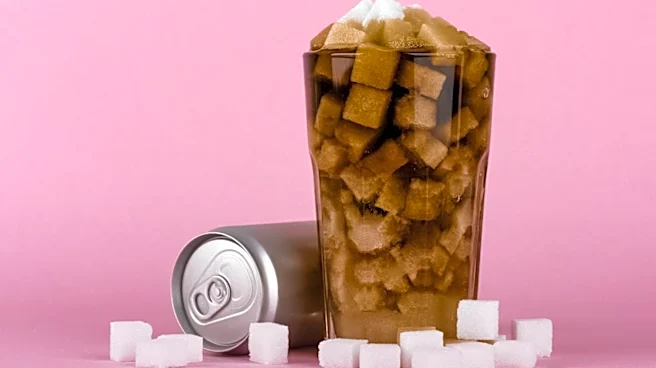
contain prebiotics, primarily specific types of fiber like inulin, which serve as food for beneficial microorganisms in the digestive tract. While they offer a convenient way to potentially increase fiber intake, questions have arisen regarding their actual health benefits. A class-action lawsuit against Poppi highlighted concerns about the dosage of prebiotics needed for a health claim, noting that consumers might need to drink multiple cans to achieve the advertised benefits, potentially leading to higher sugar consumption and costs. Rachel Sproat, lead dietitian at UPMC Western Maryland, emphasizes that while these sodas can contribute to daily fiber intake, obtaining fiber from whole foods remains the superior method. The market for prebiotic cola fibers is projected to see significant growth, with digestive and gut health representing a substantial share of consumer positioning.
Why It's Important?
The rise of prebiotic sodas reflects a significant shift in consumer preferences towards functional beverages that promise health benefits beyond basic hydration. This trend impacts the U.S. beverage industry, prompting major players like PepsiCo and Coca-Cola to invest in or develop their own prebiotic soda brands. For consumers, these products offer a perceived healthier alternative, but the debate over their efficacy and the potential for excessive sugar intake (if multiple cans are consumed to reach a beneficial prebiotic dose) raises important public health considerations. The scrutiny, including lawsuits, underscores the need for clear and accurate labeling and marketing in the functional food and beverage sector. It also highlights a broader challenge for consumers in discerning genuine health benefits from marketing hype, particularly in a market where many feel overwhelmed by the array of functional beverage options and unfamiliar ingredients.
What's Next?
The functional beverage market is expected to continue its growth, with a focus on ingredients that balance fiber dose, low viscosity, and clean taste in carbonated formats. Ingredient suppliers will likely need to provide robust scientific evidence and regulatory support for their prebiotic claims to meet increasing consumer and regulatory demands. Brands will need to address consumer confusion regarding ingredients and benefits, potentially through more transparent communication and educational campaigns. This could involve creating accessible content that explains what ingredients are, what they do, and why they are included in products. Furthermore, the industry may see a continued emphasis on zero and low-sugar ready-to-drink options, as these formats align with consumer preferences for convenience and health. The outcome of ongoing legal challenges and increased regulatory oversight could also shape how prebiotic sodas are formulated, marketed, and sold in the future.
Beyond the Headlines
The popularity of prebiotic sodas points to a deeper cultural shift towards proactive health management and a growing awareness of gut health's role in overall well-being. However, it also exposes the ethical complexities of marketing 'healthy' products, particularly when the scientific evidence for their benefits at typical consumption levels is debated. The consumer's desire for convenience and quick health fixes can lead to a reliance on processed beverages rather than whole foods, potentially missing out on the broader nutritional benefits of a balanced diet. This trend also highlights the power of marketing and social media in shaping consumer perceptions, as many functional beverage brands focus on aspirational imagery rather than practical consumption contexts. The challenge for the industry and public health advocates alike is to bridge the gap between consumer interest in health and scientifically sound nutritional practices, ensuring that product claims are not only appealing but also genuinely beneficial and transparent.