




What's Happening?
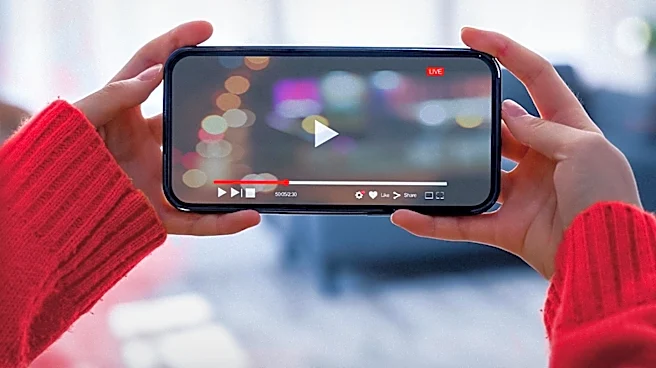
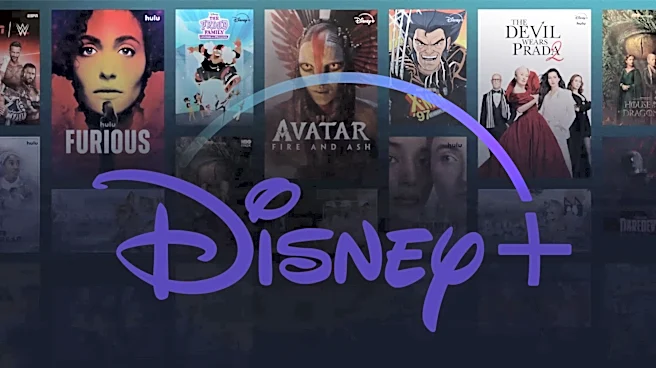
The media landscape is undergoing a significant transformation as audiences increasingly favor on-demand streaming services over traditional linear television. This shift is driven by the convenience and flexibility offered by platforms like Netflix,
Amazon Prime Video, and Disney+, which allow viewers to watch content at their own pace. The traditional broadcast model, characterized by scheduled programming and commercial interruptions, is struggling to compete with the personalized viewing experience provided by streaming services. Technological advancements, such as high-speed internet and smart devices, have further facilitated this transition, enabling viewers to access content on multiple devices and locations.
Why It's Important?
The move towards streaming services has profound implications for the media industry. Advertisers are reallocating budgets to digital platforms that offer precise targeting capabilities, challenging the traditional TV ad model. This shift necessitates a reevaluation of content creation and distribution strategies, as broadcasters must adapt to a fragmented audience with diverse viewing habits. The cultural impact is also significant, as the shared experiences once created by simultaneous TV viewing are becoming rare. The industry must navigate these changes while maintaining the value of live events, which still draw large audiences.
What's Next?
Broadcasters are responding by launching their own streaming services and focusing on live events, such as sports and news, to retain viewers. The integration of digital and social media campaigns with traditional broadcasts is becoming essential to demonstrate value to advertisers. Regulatory bodies are also considering new legislation to address media concentration and ensure a level playing field between traditional broadcasters and streaming giants. The future of television will likely be a hybrid model, combining the strengths of both linear and on-demand content to meet the evolving demands of viewers.